In today’s digital world, the ability to capture moments instantly and share them has become second nature to millions of people. Central to this transformation is the technology embedded in the devices we carry every day—smartphones. One of the most remarkable features packed inside these slender gadgets is the camera, a marvel of engineering and innovation that has revolutionized photography. Understanding how cameras work in phones not only enhances appreciation for the technology but also provides insight into the increasingly sophisticated mechanics that drive image capture in compact devices.
At the heart of a phone’s camera system lies the image sensor, a critical component responsible for converting light into electronic signals. Unlike traditional film cameras that rely on chemically treated film to store images, modern phone cameras use a semiconductor chip composed of millions of photosensitive elements. These elements, called pixels, detect variations in light intensity and color, capturing the scene in front of the lens. The two predominant types of image sensors found in smartphones today are CMOS (Complementary Metal-Oxide-Semiconductor) sensors and, less commonly, CCD (Charge-Coupled Device) sensors. CMOS sensors have become the standard due to their lower power consumption, faster processing abilities, and ease of integration with other electronic components.
When light passes through the lens of a phone camera, it strikes the image sensor, activating the pixels. Each pixel measures the amount of light it receives, converting photons into an electrical charge. This process is known as photodiode conversion. Because the pixels only detect the intensity of the light, additional technology is required to capture color information. Most sensors use an array of tiny color filters placed over the pixels in a pattern called the Bayer filter mosaic. This pattern typically alternates red, green, and blue filters, enabling the sensor to capture color information by approximating the light spectrum across these primary colors. Software algorithms then interpolate the data from the colored pixels to produce a full-color image, a process called demosaicing.
The lens system in a phone camera plays a crucial role in focusing light onto the sensor with clarity and precision. Unlike traditional cameras with bulky, adjustable lenses, smartphone cameras utilize compact multi-element lenses optimized for a limited space. These lenses control focus, aperture, and sometimes optical zoom. The aperture, defined by an adjustable or fixed diaphragm, determines how much light enters the camera by varying the size of the lens opening. A wider aperture allows more light to hit the sensor, which is especially important in low-light photography. However, it also affects the depth of field, impacting how much of the scene is in sharp focus. Due to the physics of small lenses and sensor sizes, phone cameras often trade off optical zoom for digital zoom, which magnifies images through software but can reduce image quality.
Another critical aspect is autofocus technology, which ensures the camera captures sharp images regardless of the subject’s distance. Modern phone cameras typically use phase detection autofocus (PDAF) or contrast detection methods to adjust the lens elements with micro motor drivers. PDAF works by comparing two images formed by splitting the incoming light, swiftly determining the difference in focus and adjusting accordingly. This method is faster and more accurate, making it excellent for capturing moving subjects or quick snapshots. More recently, some phones incorporate laser autofocus or dual-pixel autofocus systems, further refining focus capabilities and speed.
Image stabilization technology is another feature that enhances image quality, particularly in challenging shooting conditions. Because even slight hand movements can blur photos, especially in low light or at higher zoom levels, smartphones employ optical image stabilization (OIS) or electronic image stabilization (EIS). OIS involves physically adjusting the camera module or lens elements to counteract motion, similar to the gimbal effect in professional cameras. EIS, on the other hand, uses software algorithms to align and process multiple frames to reduce perceived blur and shake. Combining these technologies allows phone cameras to capture sharper, clearer pictures and smoother videos.
Processing the raw data from the sensor is where modern phone cameras truly shine. Once light is converted into electronic signals, the phone’s image signal processor (ISP) takes over to convert these signals into a visual file. The ISP manages various corrections, including noise reduction, sharpening, white balance adjustment, and HDR (High Dynamic Range) rendering. HDR imaging is particularly important in smartphones because it combines multiple exposures—from dark shadows to bright highlights—into a single photo with improved detail across all lighting zones. This computational photography technique is largely responsible for the impressive outcomes phone cameras achieve despite their physical constraints.
With continual advancements in artificial intelligence (AI), software enhancements are rapidly evolving to complement and sometimes surpass traditional optical methods. Through AI-powered algorithms, phone cameras can recognize scenes, optimize settings automatically, and apply post-processing effects that enhance color balance, brightness, contrast, and even remove unwanted objects seamlessly. AI also aids in portrait mode, simulating the shallow depth of field typically produced by larger lenses by blurring backgrounds and focusing sharply on subjects. This fusion of hardware and intelligent software allows smartphone cameras to deliver striking images without requiring manual adjustments.
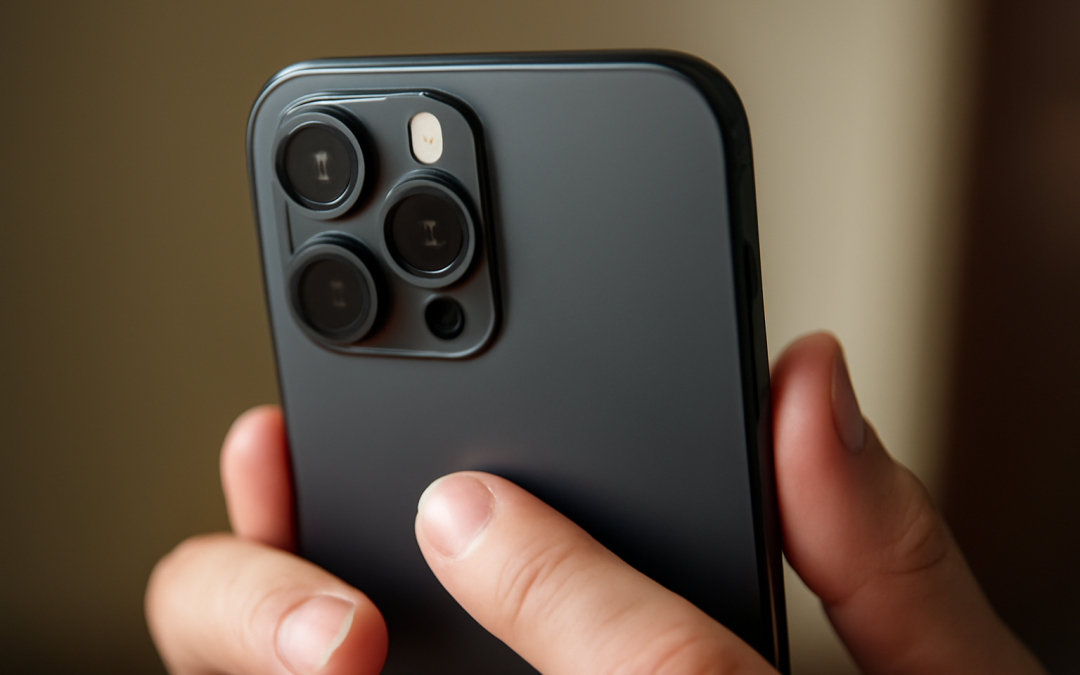
It is impossible to discuss how cameras work in phones without acknowledging the growing importance of multi-lens camera systems. Many modern phones incorporate two, three, or even more lenses to offer a variety of photographic options. These commonly include wide-angle lenses, ultra-wide lenses, telephoto lenses, and sometimes specialized lenses for macro photography or depth sensing. By switching between or simultaneously using these lenses, the cameras capture multiple perspectives or layers of data, enhancing image quality, zoom range, and detail. For example, ultra-wide lenses enable expansive landscape shots, while telephoto lenses provide optical zoom with minimal loss of detail. Coupled with software stitching and image blending, these multi-camera setups enable creative flexibility unheard of in traditional compact cameras.
Depth perception in phone cameras is often achieved using additional sensors, such as Time-of-Flight (ToF) sensors or dual-camera setups designed to capture stereoscopic images. These sensors measure the distance between the camera and the subject by emitting infrared light or analyzing disparities between two images. This depth information is critical for creating depth-of-field effects and improving autofocus accuracy. It also plays a significant role in augmented reality (AR) applications, where precise mapping of real-world objects is necessary to overlay digital content realistically.
A key challenge smartphone manufacturers continually address is the physical limitation imposed by the small size of phone cameras. Compared to DSLRs or mirrorless systems, phone cameras have much smaller sensors and lenses, which inherently restrict light intake, dynamic range, and image resolution. To compensate for these limitations, companies rely heavily on computational photography—leveraging powerful processors and software to improve every aspect of the image. Techniques such as pixel binning, where information from multiple adjacent pixels is combined to create a single larger one, help reduce noise and improve sensitivity. Night mode algorithms use extended exposure times combined with multi-frame stacking to brighten and clarify images taken in low-light environments.
Video capabilities in phone cameras have also witnessed exponential progress. Modern smartphones can record in high resolutions such as 4K or even 8K, along with advanced frame rate options. Video stabilization, real-time HDR video capture, and AI-based scene detection enhance the quality and usability of mobile video footage. Additionally, slow-motion and time-lapse modes exploit the camera’s sensor and processing power to produce creative video effects. The integration of hardware with powerful video codecs and editing software enables users to create professional-grade content, transforming phones into portable studios.
Lighting conditions remain one of the most crucial variables affecting the quality of images captured by phone cameras. To mitigate poor lighting, phones often incorporate LED flashes that simulate or augment ambient light. More advanced systems use multi-tone flashes that provide better color matching and distribute light evenly. Some phones also feature a second sensor or lens specifically tuned for low-light photography. Furthermore, the combination of sensor sensitivity improvements, image stabilization, and AI-driven noise reduction allows mobile phones to take impressive photos even in situations where traditional cameras might struggle.
The continuous evolution of phone camera technology is also influenced by consumer behavior and expectations. Today’s users demand cameras that perform well in social settings, produce shareable content instantly, and offer intuitive interfaces. As such, user-friendly features such as gesture controls, automatic scene recognition, and integrated editing tools have become commonplace. Camera apps mimic professional controls like ISO, shutter speed, and focus but package them in accessible ways, democratizing photography and empowering both amateurs and enthusiasts alike.
Looking ahead, the future of phone cameras is promising, with trends pointing toward increased sensor sizes, more sophisticated AI processing, and innovations such as periscope-style optical zoom lenses that extend zoom capabilities without increasing device thickness. Emerging technologies like computational multispectral imaging and quantum dot sensors may further improve color accuracy and sensitivity. Additionally, integration with cloud computing could enable real-time collaborative editing and enhanced image enhancement through machine learning.
In essence, the mechanisms by which cameras operate inside phones blend complex hardware engineering with state-of-the-art software development. From capturing light and converting it to digital data, to refining images with advanced algorithms and AI, the journey of an image within a phone encapsulates a symphony of technological innovations. This intricate dance of components working together has transformed the way people document their lives and interact with the world, making photography more accessible and versatile than ever before. As technology continues its rapid pace of advancement, the phone camera remains a symbol of how far innovation can reach within the limits of a small, handheld device.