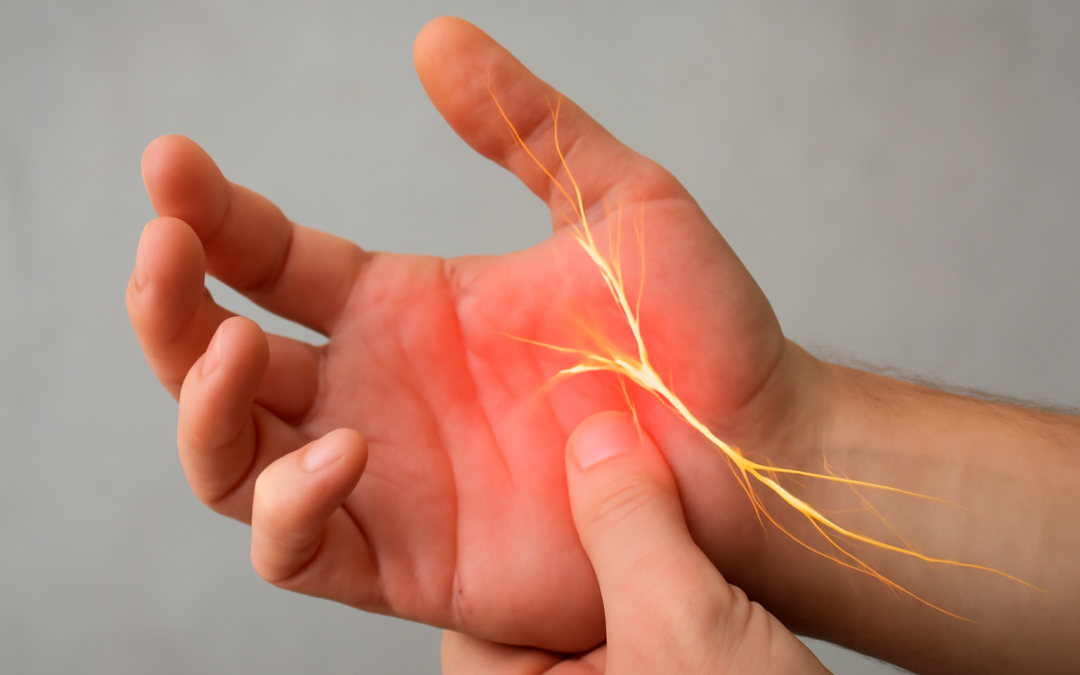
Pain is an essential biological mechanism that alerts us to potential or actual damage to our bodies. It acts as an early warning system, prompting immediate withdrawal from harm or signaling the need for medical attention. Understanding how pain signals work dives deep into the complex interactions between the peripheral and central nervous systems, involving a cascade of molecular and neural processes. This intricate system ensures that harmful stimuli are efficiently detected, transmitted, and interpreted by the brain, enabling appropriate responses to protect the body.
At the core of the pain signaling system are specialized sensory neurons known as nociceptors. These receptors are scattered throughout various tissues, including the skin, muscles, joints, and internal organs. Nociceptors are specifically sensitive to damaging or potentially damaging stimuli, whether thermal, mechanical, or chemical in nature. When a harmful stimulus is strong enough, it activates these sensory neurons by triggering ion channels within their membranes. This activation generates an electrical signal known as an action potential, which travels along the nerve fibers toward the spinal cord.
The types of nociceptors vary based on the stimuli they detect. For instance, thermonociceptors respond to extreme heat or cold, mechanonociceptors respond to intense pressure or sharp objects, and chemonociceptors respond to irritants and inflammatory chemicals released during tissue injury. Ion channels such as TRPV1 (transient receptor potential vanilloid 1) play a critical role in detecting thermal and chemical stimuli, while mechanosensitive channels respond to physical deformation. This specificity ensures that the nervous system can interpret different kinds of pain signals in ways that influence both perception and reaction.
Once activated, the primary sensory neurons send electrical impulses along their axons to the dorsal horn of the spinal cord. Here, these signals undergo an important relay process. First-order neurons synapse with second-order neurons in the spinal cord, where neurotransmitters such as glutamate and substance P facilitate the transmission of pain signals. These neurotransmitters help amplify or modulate the incoming signals, contributing to the overall intensity and quality of the pain experienced.
The spinal cord is not merely a passive conduit in pain transmission; it also plays a role in modulating pain. This modulation occurs through complex networks of interneurons and descending pathways from the brain, which can enhance or inhibit the transmission of pain signals. For example, the release of endogenous opioids such as endorphins in the spinal cord can suppress pain transmission, demonstrating the body’s own system of natural pain control. This balance between excitation and inhibition within the spinal cord is crucial for managing pain experience and preventing chronic pain conditions.
From the spinal cord, second-order neurons carry the pain signals upward through specialized tracts, primarily the spinothalamic tract, to various regions of the brain. The thalamus acts as a central relay station, directing information to different cortical and subcortical areas. These regions include the somatosensory cortex, which is responsible for the localization and intensity perception of pain, as well as the limbic system, which processes the emotional and motivational aspects of pain. Thus, the brain not only interprets where and how intense pain is but also influences the sufferer’s emotional response to that pain.
The process of pain signal transmission allows for a fine-tuned perception that integrates both sensory-discriminative and affective-emotional components. This means that pain is not just a physical sensation but an experience that is intertwined with emotions, attention, and memory. The involvement of regions such as the anterior cingulate cortex and insula highlights how pain can cause distress, anxiety, or changes in mood, all of which influence how pain is perceived and managed by individuals.
An additional complexity in how pain signals work lies in the phenomena of pain sensitization and plasticity. In cases of tissue injury or inflammation, the nervous system can become hypersensitive, resulting in hyperalgesia (increased pain sensitivity) or allodynia (pain in response to normally non-painful stimuli). This is due to changes in neuronal excitability and synaptic strength within both peripheral and central neurons. For example, the release of inflammatory mediators such as prostaglandins, cytokines, and nerve growth factors can lower the threshold of nociceptor activation, making neurons more responsive to subsequent stimuli.
Chronic pain conditions reveal how pain signaling can become dysregulated. Prolonged noxious input leads to long-lasting changes in the nervous system, engaging neuroplastic mechanisms that perpetuate pain even in the absence of ongoing tissue damage. These changes may include increased excitatory neurotransmitter release, altered receptor expression, and maladaptive connections within the spinal cord and brain. Understanding these mechanisms is vital for developing treatments that address not just the symptoms but the underlying neural alterations sustaining chronic pain.
Besides nociceptive pain, which results from direct activation of nociceptors, there are other types of pain that arise from the nervous system itself, such as neuropathic pain. In neuropathic pain, damaged or dysfunctional nerves generate aberrant pain signals independent of external stimuli. These signals can arise from ectopic discharges, changes in ion channel function, or loss of inhibitory controls. This type of pain can be persistent and difficult to treat, highlighting the complexity involved in pain signaling pathways.
Advances in neuroscience have increasingly focused on identifying molecular targets to modulate pain signals effectively. Ion channels, neurotransmitter receptors, and signaling molecules within the pain pathways offer promising candidates for therapeutic intervention. For instance, drugs targeting sodium and calcium channels on nociceptors aim to reduce neuronal excitability and diminish pain transmission. Similarly, antagonists that block NMDA or AMPA receptors in the spinal cord can prevent central sensitization and reduce chronic pain intensity.
Non-pharmacological methods such as electrical nerve stimulation, transcranial magnetic stimulation, and cognitive-behavioral therapies also interact with pain pathways to alter pain perception and modulation. These methods exploit the brain’s plasticity and the dynamic nature of pain pathways to provide relief by enhancing inhibitory circuits or changing the emotional and cognitive context of pain. Consequently, pain management is increasingly moving toward integrative approaches that consider both physiological and psychological dimensions.
Neuroimaging techniques like functional MRI have provided invaluable insights into how pain signals are processed in the human brain. By visualizing brain activity in response to painful stimuli, researchers have been able to map the networks involved in pain perception, modulation, and emotional reaction. These brain maps enhance understanding of individual variability in pain sensitivity and response to treatments, paving the way for personalized medicine in pain management.
In the broader context, the evolutionary significance of pain must not be overlooked. Pain signals play a crucial role in survival by directing behavior away from danger and facilitating healing by encouraging rest and protection of injured areas. Without an effective pain signaling system, organisms would be at increased risk of injury and decreased ability to recuperate. At the same time, the system’s complexity and potential for malfunction underscore the importance of ongoing research aimed at balancing pain’s protective functions with the need to alleviate suffering.
Overall, the way pain signals work reflects a remarkable balance between detecting harmful stimuli and modulating responses to optimize survival and wellbeing. From the initial activation of nociceptors to the complex processing in the brain, each step is finely regulated by an array of molecular and cellular mechanisms. These processes transform simple physical events into rich, multifaceted experiences that influence behavior, emotion, and cognition, underscoring pain’s profound importance in human biology and medicine.
This intricate system also explains why pain treatment can be challenging—because the signals can be altered at multiple levels and by numerous factors. Understanding the biology behind pain signaling not only informs clinical approaches but also helps foster empathy for those experiencing pain, whether acute or chronic. With continued exploration into the neural pathways and molecular players involved, future therapies hold promise for more precise and effective pain relief, ultimately improving quality of life for millions worldwide.