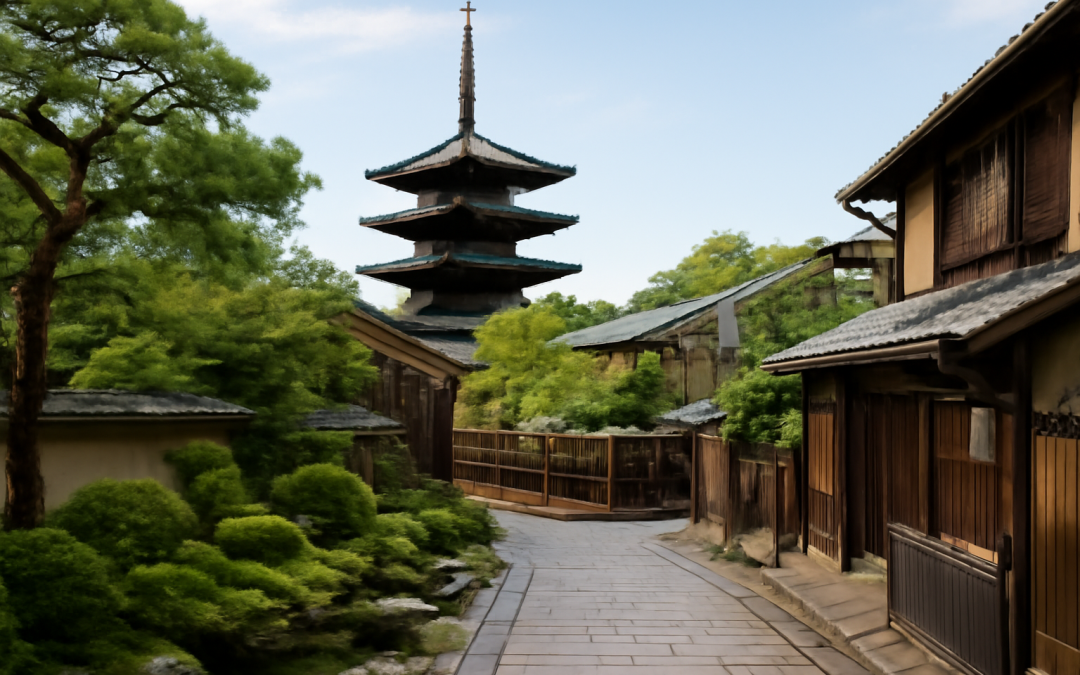
Nestled in the heart of Japan, Kyoto is a city that effortlessly blends the timeless elegance of its historic past with the quiet charm of its serene landscapes. It is a place where every narrow street, ancient temple, and meticulously maintained garden tells a story that has been passed down through generations. Visitors find themselves enveloped in an atmosphere of tranquility and reflection, far removed from the hustle of modern urban life. This city, once the imperial capital of Japan for over a thousand years, remains a true sanctuary for those seeking to experience authentic cultural heritage and natural beauty.
The temples of Kyoto stand as monumental testaments to its rich religious and architectural traditions. Home to more than 1,600 places of worship, the city offers an unparalleled exploration of Buddhist and Shinto spirituality. Iconic sites such as Kinkaku-ji, the Golden Pavilion, shimmer with gold leaf as they reflect in their surrounding ponds, creating an otherworldly landscape that transcends the ordinary. In contrast, the understated elegance of Ginkaku-ji, or the Silver Pavilion, highlights the Wabi-sabi aesthetic—an appreciation of impermanence and imperfection deeply ingrained in Japanese culture. These temples are not merely relics of the past; they remain vibrant centers of prayer, ceremony, and seasonal festivals, inviting visitors to partake in moments of quiet contemplation.
Beyond the grandeur of the temples lies an intricate network of gardens, each meticulously designed to embody the delicate balance between nature and human creativity. Kyoto’s gardens range from the striking rock gardens that encourage calm meditation to lush, moss-covered groves and elegant stroll gardens that change color with the seasons. The dry landscape garden at Ryoan-ji, famous for its arrangement of fifteen rocks set against white gravel, exemplifies minimalist beauty and evokes endless interpretation about nature and the cosmos. Meanwhile, the sprawling gardens of the Imperial Palace and Shugakuin Villa provide spaces where architecture and landscape harmonize seamlessly, offering visitors a secluded refuge amidst blooming cherry blossoms or vibrant autumn leaves.
Strolling through Kyoto’s streets is akin to walking through a living, breathing history book. Narrow lanes lined with machiya townhouses whisper stories of domestic life during the Edo period. In the Gion district, graceful geisha and maiko glide silently from teahouses, preserving centuries-old traditions of performing arts and refined etiquette. Unlike the neon-lit chaos of Tokyo, Kyoto’s quiet streets invite leisurely wanderings, punctuated by stops at small shops, traditional cafés, and humble eateries serving up kaiseki meals—an artful multi-course dining experience that mirrors the sophistication of the city’s surroundings. As dusk falls, the interplay of lantern light and shadows enhances the city’s serene ambiance, inviting both locals and tourists to pause and breathe in the tranquility.
Seasonality profoundly influences every aspect of Kyoto’s charm. In spring, the city is drenched in the soft pink hues of cherry blossoms, which drape over rivers and temple grounds alike, creating breathtaking vistas that attract admirers from around the world. Summer brings lush greenery and the sweet scent of blooming irises and lotus flowers, inviting visitors into peaceful temple environs far from summer’s heat. Autumn transforms Kyoto into a fiery kaleidoscope of red, orange, and gold leaves, drawing crowds to parks and temple gardens that seem magically illuminated by natural light. Even winter has its quiet beauty—frosted roofs, snow-covered paths, and steaming cups of matcha tea offer moments of solace and warmth amid the crisp air. This cyclical transformation connects people to the rhythm of nature in ways that resonate deeply with Japanese cultural values.
The city’s cultural heritage is enriched by its commitment to preserving traditional crafts and practices. Artisans in Kyoto continue to produce exquisite textiles such as Nishijin-ori silk, ceramics renowned for their refined glazes, and delicate woodblock prints that capture the essence of Japanese aesthetics. Visitors can often observe these craftspeople at work in studios or workshops scattered throughout the city’s quieter neighborhoods. These crafts do more than serve economic purposes; they foster a sense of identity and continuity that echoes through generations. Participating in a hands-on workshop or purchasing handcrafted souvenirs offers a tangible connection to Kyoto’s artisanal legacy.
Kyoto’s role as a center of traditional performing arts further enhances its appeal. The rhythmic beats of taiko drums, the intricate movements of Noh theater, and the evocative melodies of shamisen strings are deeply woven into the city’s cultural fabric. Gion Corner, a well-known venue, offers visitors a chance to witness these performances in an intimate setting, allowing one to appreciate the subtlety and nuance of ancient storytelling arts. The preservation and celebration of these traditions ensure they remain a vital part of modern life, bridging the past and present while inspiring future generations.
The culinary landscape in Kyoto is yet another reflection of its contemplative spirit and attention to detail. Traditional cuisine here is characterized by seasonal ingredients, minimal seasoning, and beautiful presentation. Kaiseki meals are a sensory feast, where each dish is carefully prepared to highlight natural flavors and textures, often served in alignment with the time of year. Beyond formal dining, street food vendors and markets offer local delicacies such as yuba, tofu skin, and matcha-flavored sweets. The market at Nishiki Street is particularly famous, providing an immersive experience where visitors can taste, smell, and see a microcosm of Kyoto’s gastronomic heritage.
Walking through Kyoto also reveals the seamless coexistence between ancient and modern lifestyles. While the city is dotted with historical sites, modern conveniences, boutique hotels, and contemporary art galleries have become part of the urban fabric. This subtle integration respects the city’s traditions while embracing present-day innovation. For travelers, this means access to comfortable accommodations alongside opportunities to encounter artistic expressions ranging from anime-inspired works to cutting-edge fashion rooted in traditional motifs. Kyoto remains a city where the preservation of the past lays the foundation for creative future paths.
In the quieter hours, Kyoto invites reflection and spiritual renewal. Visitors who rise early have the chance to experience temples bathed in morning mist, where the only sounds are bird calls and the gentle rustling of leaves. Whether sitting quietly in a temple’s tatami-floored room or wandering through a bamboo grove at Arashiyama, the sense of peace is palpable. This calm environment encourages mindfulness and a deeper connection not only to the city’s cultural heritage but to one’s own inner self. For many, such moments become the most memorable and transformative aspects of their journey.
Transportation in Kyoto also encourages slow exploration rather than hurried sightseeing. The city’s extensive network of buses and trains can take travelers to major landmarks efficiently, but the true essence of Kyoto is often discovered by foot or bicycle. Side streets and charming neighborhoods, less frequented by tourists, await those willing to stray from the beaten path. These areas reveal hidden shrines, local artisan cafes, and quiet temples that offer solitude and a more intimate glimpse of daily life. By slowing down and embracing the city’s rhythm, visitors often find themselves uncovering layers of history and culture that would otherwise remain unseen.
Kyoto’s temples, gardens, and quiet streets do more than provide visual beauty; they offer a window into a way of life where nature, tradition, and spirituality are harmoniously intertwined. The city is a living museum, continuously renewed yet deeply rooted in its ancestral heritage. It provides a unique space where visitors can disconnect from the pressures of modern living and immerse themselves in experiences that nourish the soul. The contemplative aura that pervades the city encourages thoughtful exploration and an appreciation for subtle details that reveal the complexity and elegance of Japanese culture.
In a world that often values speed and volume, Kyoto’s enduring charm lies in its emphasis on stillness, nuance, and respect for the past. Its temples stand not only as architectural marvels but as sanctuaries of peace, while its gardens demonstrate the art of balance and harmony. The quiet streets invite all who walk them to slow down and engage with the city’s stories at their own pace. To visit Kyoto is to embark on a journey of discovery—one that touches the heart and leaves a lasting imprint long after the traveler departs. It is a city where history, nature, and culture converge to create experiences that are as profound as they are beautiful.