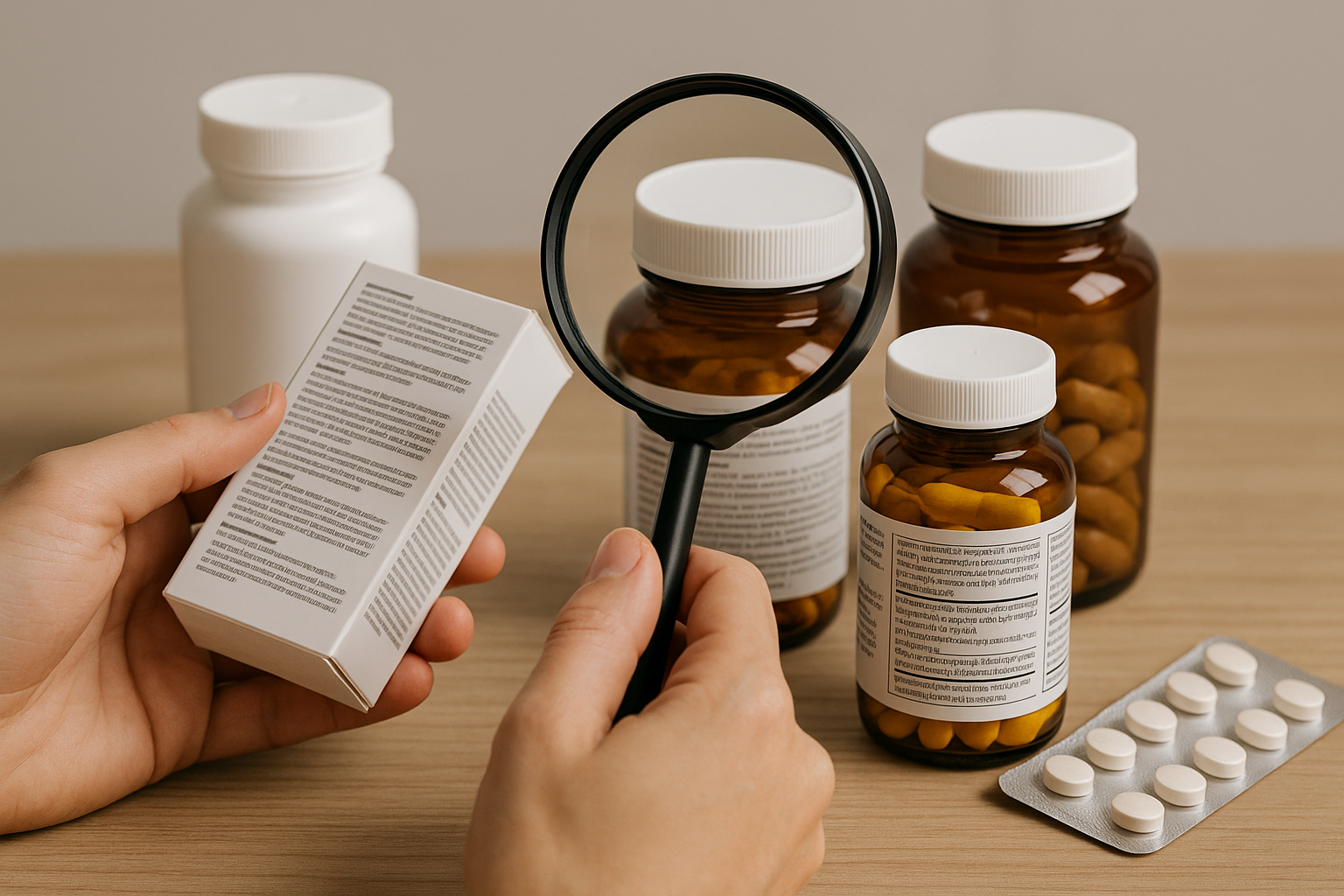
Understanding what you consume, whether it’s a prescription medication or an over-the-counter supplement, begins with the ability to read and interpret the information provided on the labels. These labels serve as critical guides, packed with essential details that can impact your health and well-being. Despite their importance, many find drug and supplement labels confusing, often skipping over or misinterpreting key points, leaving them unsure of what exactly they are ingesting, how it should be used, and what risks might be involved.
A typical drug or supplement label may seem overwhelming at first glance, but each section exists for a purposeful reason. The front of the label usually provides the product’s name and its intended use or benefits, but the real depth of information lies within the ingredients list, dosage instructions, warnings, and safety information. Decoding these elements enables consumers to make informed choices about what they take and to avoid dangerous interactions or side effects.
The ingredients list is the cornerstone of any label, revealing everything contained within the pill, capsule, or powder. For medications, active ingredients are usually separated from inactive ingredients, highlighting the substances responsible for the intended therapeutic effects. Supplements, on the other hand, often list vitamins, minerals, herbs, and other compounds under ‘Supplement Facts.’ Recognizing these components helps users identify potential allergens, intolerances, or substances that may interfere with other medications they are taking. It requires some familiarity with chemical names and terms, but spending time here is crucial for safety.
Dosage instructions are another critical area. These sections outline how much of the drug or supplement should be taken, when, and for how long. Proper dosing is essential to avoid underdosing, which might fail to treat a condition, or overdosing, which can lead to toxicity or severe side effects. The timing—such as whether a medication should be taken with meals, on an empty stomach, or at bedtime—can affect absorption and efficacy, making adherence to these guidelines paramount.
Warnings and precautionary statements often hold vital information about potential side effects, contraindications, and interactions with other drugs or certain health conditions. For supplements, it is not uncommon to find warnings about use during pregnancy, breastfeeding, or by individuals under certain ages. Prescription and OTC drugs may carry more specific warnings about interactions with alcohol, food, or activities such as driving. These statements are grounded in clinical research and regulatory oversight, and ignoring them can lead to harmful consequences.
It is also important to understand regulatory labels and certifications that may appear on packaging. For drugs, the approval or clearance by the Food and Drug Administration (FDA) ensures the product underwent rigorous testing for safety and effectiveness. Supplement labels, however, often carry disclaimers stating that the FDA has not evaluated their claims. This distinction matters because it means supplements are regulated differently—primarily under the Dietary Supplement Health and Education Act of 1994—which does not require them to prove efficacy before going to market. Recognizing this difference alerts consumers to approach supplement claims with a critical eye.
Expiration dates are yet another detail that requires attention. Medications lose potency over time, and consuming expired drugs may lead to reduced effectiveness or, in some cases, harmful effects if degradation produces toxic byproducts. While some supplements maintain stability for longer, they can also become less potent or spoil, especially those containing oils or probiotics. Ensuring you use products within the recommended time frame supports both safety and desired outcomes.
Manufacturers also include storage instructions, which, though simple, should not be overlooked. Many drugs and supplements require storage in cool, dry places away from light. Failure to adhere to these instructions can alter chemical compositions, decreasing potency or causing deterioration. For certain medications, such as insulin or some liquid antibiotics, refrigeration may be necessary. Understanding and following these storage requirements helps maintain product integrity throughout its shelf life.
Understanding terminology on labels can also improve comprehension. Terms like “USP Verified” mean that the product meets quality standards set by the United States Pharmacopeia, adding a layer of assurance to consumers. Labels might also mention “pharmaceutical grade” or “clinically tested,” each implying varying degrees of quality, purity, and research backing. These distinctions can guide consumers towards more reliable options within the crowded market of over-the-counter products and supplements.
While label information is comprehensive, patients with complex medical histories or who are on multiple medications should consult healthcare professionals to interpret the details correctly. Drug interactions can be dangerous but might not be fully explained on labels due to the vast number of possible combinations. Similarly, supplements might affect how prescription medications work, either reducing their effectiveness or amplifying side effects. Pharmacists and doctors can help decode these risks and customize advice for individual needs.
Labels sometimes include dosage warnings specific to demographic groups, such as children, elderly patients, or those with liver or kidney disease. These variations exist because metabolism and organ function impact how drugs and supplements are processed in the body. Taking this information seriously can prevent under-treatment or adverse drug reactions, ensuring safer, more effective use.
The claims made on supplement labels, such as “supports immune health” or “promotes joint flexibility,” are often generalized and cannot legally state they treat or prevent diseases. This legal boundary is why supplements fall under a different regulatory framework than drugs, yet their aggressive marketing can mislead consumers. Learning to differentiate between promotional language and scientifically supported evidence on labels helps set realistic expectations and promotes responsible health decisions.
Furthermore, understanding terminology related to allergens or gluten-free statements is essential for those with dietary restrictions or allergies. Labels that specify they are free from certain allergens like gluten, dairy, nuts, or soy provide important clues for safe consumption. However, cross-contamination risks may still exist, and for sensitive individuals, consulting additional resources or manufacturers can provide needed reassurance.
Labels may also guide users on when not to use a product. For instance, some cold medications advise against use in individuals with high blood pressure or heart conditions due to stimulative ingredients like pseudoephedrine. Herbal supplements containing compounds resembling hormones may be contraindicated in specific cancers or endocrine disorders. Awareness of these warnings can significantly reduce the risk of unintended side effects or exacerbation of underlying health problems.
Beyond safety, labels inform consumers about the expected outcomes and timelines of use. Medications often specify that symptoms should improve within a certain number of days, after which a healthcare provider should be consulted. This guidance helps prevent prolonged use of ineffective treatments that might mask more serious conditions or lead to dependence. Likewise, supplement labels sometimes suggest that benefits may take weeks to manifest, promoting realistic patience and avoiding unnecessary dose escalation.
The language used on labels is deliberately precise, as regulatory agencies have strict rules about how information must be presented. This precision helps ensure consistency across products and protects consumers from misleading claims. Learning to read the standard sections and interpret terms such as “generic name,” “brand name,” “purpose,” “uses,” “warnings,” and “directions” turns label reading from a confusing chore into an empowering tool.
Lastly, technology is increasingly aiding label comprehension. Smartphone apps and online databases can scan barcodes or enter product names to provide detailed explanations about ingredients, side effects, and interactions. These resources complement label reading by offering accessible, in-depth information that can be personalized based on individual health profiles, making drug and supplement use safer and more effective.
In essence, drug and supplement labels are more than just packaging—they are informational roadmaps designed to promote safe, informed consumption. Taking the time to decode these labels allows consumers to understand exactly what they are putting into their bodies, the correct way to use products, and any risks involved. This understanding is indispensable in today’s complex health landscape, where self-care and proactive management play pivotal roles. Being an informed reader of labels not only protects health but also empowers individuals to take charge of their wellness with confidence and clarity.