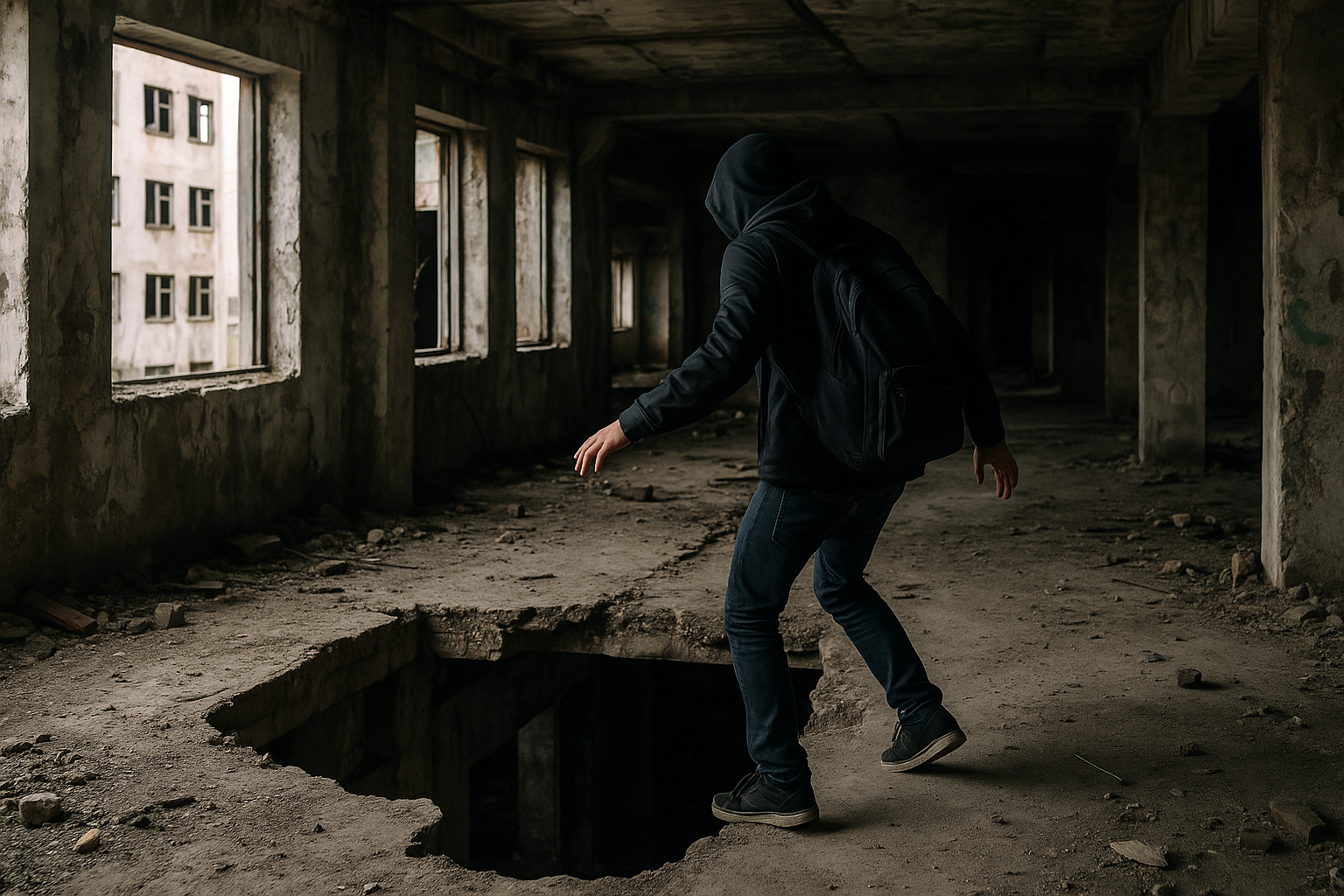
Urban exploration is an activity that holds a certain allure for thrill-seekers and photography enthusiasts alike, offering a unique window into abandoned buildings, forgotten structures, and hidden underground spaces in cities around the world. The opportunity to walk through places frozen in time, to document eerie sights, or simply to break from the routine can be compelling. However, beneath the surface excitement lies a range of significant risks that many do not fully appreciate before venturing into these environments. The dangers of urban exploration cannot be overstated, especially when individuals fail to recognize the physical, legal, and ethical hazards involved.
One of the most immediate threats is the physical danger posed by decaying infrastructure. Many of the locations explored are abandoned buildings, factories, or tunnels that have been left without maintenance for years, sometimes decades. Floors can be weakened or rotted through, posing the risk of falling through to lower levels or basements. Stairways might be missing steps or handrails, while ceilings could collapse unexpectedly under the weight of debris or water damage. Even surfaces that seem stable may crumble without warning, leaving explorers vulnerable to serious injuries such as broken bones, concussions, or worse. Furthermore, many structures have hidden hazards like exposed nails, shattered glass, or rusted metal that can cause cuts or infections.
In addition to the obvious structural risks, there are dangers related to environmental health. Abandoned sites may harbor toxic substances such as asbestos, lead paint, or mold, all of which pose significant respiratory dangers when disturbed. Exploring subway tunnels or underground basements could expose people to dangerous gases or lack of sufficient oxygen. Furthermore, stagnant water and damp environments are breeding grounds for bacteria and insects that can transmit diseases. Historical sites sometimes contain remnants of hazardous chemicals or industrial waste that can be invisible to the naked eye but severely harmful to health. Without proper safety equipment and ventilation, explorers can unknowingly put themselves at risk of long-term ailments.
Urban exploration often entails trespassing on private or restricted property, and this adds a legal dimension to the dangers. Entering such spaces without permission can lead to severe legal consequences, including fines, arrests, or even criminal charges. Many cities have laws against unauthorized entry, as these sites may be protected due to safety codes or preservation efforts. Even when explorers believe they are merely harmless trespassers, law enforcement authorities may see the act differently and crack down harshly. In some cases, people have been detained or prosecuted for exploring abandoned buildings, which complicates the idea of urban exploration as a purely recreational activity. The threat of legal trouble is a pressing concern that often gets overlooked in the excitement of discovery.
Another dimension of risk is the possibility of encountering hostile individuals. Abandoned or off-limits urban spaces sometimes attract individuals involved in illegal activities, such as drug use, squatters, or gangs. These encounters can escalate quickly, potentially putting explorers in dangerous confrontations or situations beyond their control. Since these areas are typically isolated and removed from public scrutiny, help may not be available if trouble arises. The unpredictability of human factors in such environments increases the potential for harm significantly. Travelers should understand that not every danger is related to the physical environment; people can present just as much risk, if not more.
From a psychological perspective, the experience of urban exploration can also be taxing. Exploring dark, confined, or eerie environments can trigger anxiety or panic attacks, especially in people unaccustomed to such conditions. The disorienting layout of abandoned structures, combined with the silence and emptiness, can exacerbate feelings of isolation and fear. Some explorers report a heightened sense of paranoia or unease, which can impair judgment and decision-making. This mental strain might lead to mistakes or accidents, compounding the hazards already present in the physical setting.
Compounding these risks is the issue of emergency response. Should something go wrong during an urban exploration outing, getting help can be difficult or delayed. Remote or hard-to-access locations mean emergency services may struggle to locate injured individuals promptly. Poor cell phone reception underground or within thick walls further hampers communication. The thrill of exploration often tempts individuals to go alone or in small groups without notifying others of their plans, increasing the vulnerability of those involved. The absence of immediate assistance can turn a manageable injury or situation into a potentially life-threatening one.
The cumulative risk does not end with the immediate threats; it extends to the long-term consequences of damage and degradation to the sites themselves. Many urban explorers are driven by a desire to document forgotten history, but frequent trespassing can accelerate the destruction of fragile environments. Graffiti, broken windows, and displaced debris alter these locations irreparably. In some cases, explorers accidentally destabilize structures or leave hazardous materials behind, making the site more dangerous for future visitors or even nearby residents. Preservation of these places requires respect and caution, which is not always exercised in the course of spontaneous exploration. The damage inflicted compromises both public safety and cultural heritage preservation.
Moreover, the popularization of urban exploration through social media has intensified some dangers by encouraging inexperienced individuals to venture into risky environments without adequate preparation. The desire to capture dramatic photos or videos can overshadow common sense and safety protocols. Reckless behavior, such as climbing unstable rooftops, walking on weak surfaces, or ignoring clearly posted warnings, has led to severe accidents and fatalities. The pressure to impress an online audience fosters a culture of risk-taking instead of caution. This growing trend highlights the importance of understanding and respecting the inherent dangers in urban exploration rather than glamorizing it.
To mitigate some of these risks, experienced urban explorers advocate for careful planning, proper equipment, and awareness. Protective clothing, sturdy footwear, headlamps, and respiratory masks are essential for navigating hazardous sites safely. Going in groups and notifying someone outside of the exploration area can provide a safety net if problems arise. Thorough research on the location, its history, structural state, and legal status helps avoid unforeseen dangers. Respect for property laws and ethical behavior, including not vandalizing or removing artifacts, contributes to preserving these spaces for future generations. However, even with precautions, no exploration is entirely safe, and entering forbidden or unsafe areas always carries an element of danger.
Despite the risks and controversies, urban exploration continues to attract a passionate community drawn by the unique experiences it offers. The thrill of discovering hidden realms and capturing images of urban decay fosters creativity, historical curiosity, and a sense of adventure. Yet, it remains essential to weigh the potential consequences seriously. The dangers associated with exploring abandoned and off-limit places demand respect and responsibility. Recklessness not only endangers individual explorers but can also harm communities and historical sites.
An unyielding awareness of the multiple hazards—ranging from structural collapse, environmental toxins, legal ramifications, hostile encounters, psychological stress, and emergency response challenges—is critical to approaching urban exploration thoughtfully. Individuals who embark on these journeys must do so with full knowledge of the inherent risks and a commitment to minimizing harm in every aspect. The romanticized image of urban exploration as an adrenaline-fueled game of discovery is incomplete without a sober understanding of what is at stake. Only through vigilance, preparation, and respect can those passionate about this activity engage with it responsibly and safely.
Ultimately, there is no substitute for common sense and caution when navigating abandoned urban spaces. No photograph or experience is worth tragic injury, legal trouble, or irreversible damage to cherished places. Urban exploration’s allure should not blind participants to the very real dangers that shadow every step taken inside derelict structures. By acknowledging and respecting these hazards, explorers can pursue their interests thoughtfully, preserving both their safety and the fragile environments they admire.