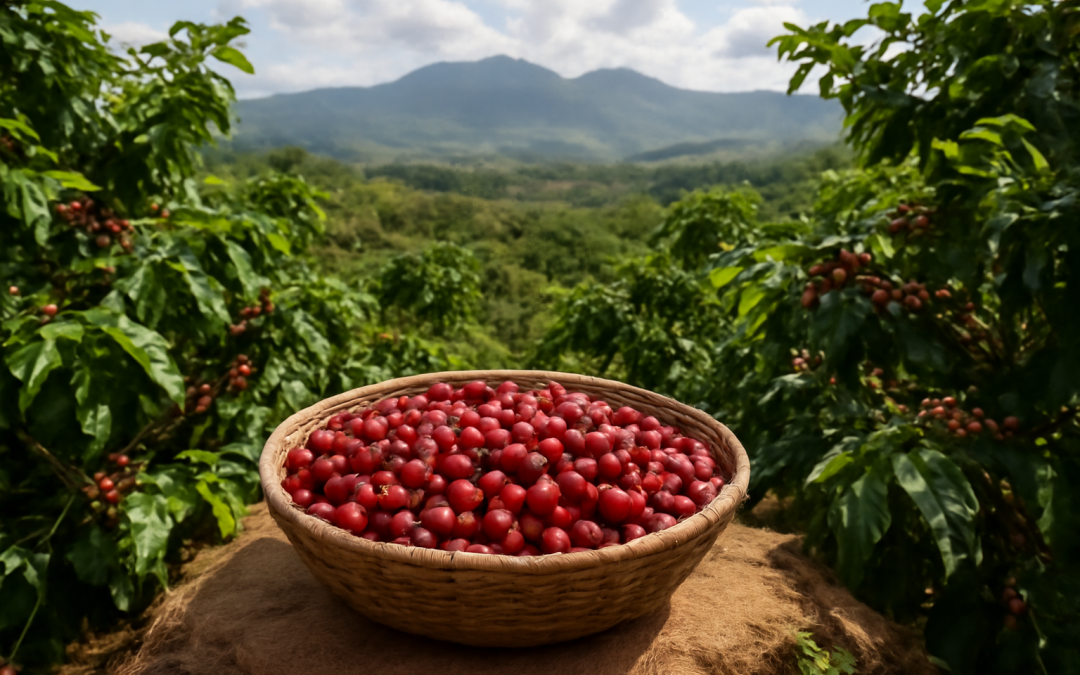
The story of coffee is deeply intertwined with the rich landscapes and cultural tapestry of Ethiopia, a country widely recognized as the birthplace of one of the world’s most beloved beverages. This East African nation holds a special place in the hearts of coffee lovers globally, not only because of its historical significance but also due to its extraordinary diversity in coffee varieties and cultivation practices. Ethiopian coffee originates from some of the most ancient coffee-growing regions, where the coffee plant, Coffea arabica, is believed to have first been discovered and nurtured in the wild, setting the stage for centuries of cultivation and enjoyment.
The legend of coffee’s discovery in Ethiopia centers around a curious goat herder named Kaldi, who is said to have noticed the energizing effects of coffee cherries on his goats. This anecdote, whether apocryphal or factual, symbolizes the intimate connection between the Ethiopian people and coffee. From this initial encounter, coffee evolved from a wild fruit to a cultivated crop, becoming an essential part of Ethiopian culture and economy. The cultivation of coffee in Ethiopia is deeply rooted in traditional practices handed down through generations, often on small family farms where sustainable and organic farming methods are prevalent.
Ethiopian coffee is unique not only because of its historical roots but also due to the remarkable range of flavor profiles it offers. The country is home to numerous coffee-growing regions, each with distinct climates, altitudes, and soil compositions, which contribute to the diverse taste characteristics found in Ethiopian coffee beans. The main coffee-producing areas include Sidamo, Yirgacheffe, Harrar, and Limu, among others. Each of these regions produces beans with specific flavor notes—ranging from bright citrus and floral to rich, fruity, and wine-like undertones—making Ethiopian coffee a favorite among connoisseurs and specialty roasters worldwide.
In Ethiopia, traditional farming techniques are still predominant, with many coffee farmers cultivating coffee under shaded canopies of indigenous trees. This method of agroforestry not only preserves biodiversity but also ensures that coffee plants grow in optimal, stress-free conditions. These shaded environments protect coffee trees from extreme weather, reduce soil erosion, and contribute to the complexity of the coffee’s flavor. Unlike some large-scale commercial coffee farms around the world, Ethiopian coffee farms tend to be small, often less than a hectare, and coffee is harvested by hand. This careful selection of ripe cherries results in higher quality beans and preserves the authentic characteristics of each growing region.
The cultural significance of coffee in Ethiopia extends beyond its agricultural importance. Coffee ceremonies are a time-honored tradition that embody hospitality, community, and respect. These ceremonies are an elaborate process involving roasting green coffee beans over an open flame, grinding them with a mortar and pestle, and brewing the coffee in a clay pot called a jebena. The ceremony is often conducted in the presence of family, friends, and guests, signifying a moment of connection and social bonding. The ritual illustrates how coffee is more than a beverage in Ethiopia—it is a cultural cornerstone that fosters relationships and strengthens social ties.
Furthermore, Ethiopian coffee has played a crucial role in the nation’s economy and international trade. Coffee remains one of Ethiopia’s top export commodities, providing income for millions of smallholder farmers and contributing significantly to the country’s GDP. The Ethiopian government and various cooperatives have made concerted efforts to maintain the quality and authenticity of Ethiopian coffee by promoting fair trade and organic certifications. This emphasis on quality and sustainability helps Ethiopian coffee maintain its premium status and ensures farmers receive fair compensation for their labor and traditional knowledge.
One of the most fascinating aspects of Ethiopian coffee origins is the genetic diversity found within its coffee plants. Ethiopia is the center of origin for Coffea arabica, meaning it possesses the greatest genetic variation of the species anywhere in the world. This genetic pool is invaluable for breeding programs aiming to develop disease-resistant and climate-resilient coffee varieties. The diverse gene pool found in Ethiopia’s wild and cultivated coffee plants is a critical resource for the global coffee industry, especially in the face of climate change and increasing threats from pests and diseases.
As coffee cultivation in Ethiopia progresses, there has been an increasing focus on improving processing techniques to maximize the flavor potential of the beans. Traditional methods such as natural (dry) processing, where coffee cherries are dried whole in the sun before the beans are extracted, coexist with washed (wet) processing, which involves fermenting and washing the beans to remove the fruit pulp. Each processing method imparts different flavor characteristics to the final cup. Natural processed Ethiopian coffees tend to be fruity and full-bodied, with a heavier mouthfeel, while washed coffees offer a cleaner, brighter profile with crisp acidity. Producers often experiment with these methods to meet the evolving preferences of the global coffee market.
The continual innovation and pride of Ethiopian coffee farmers and producers testify to the country’s unwavering commitment to preserving its coffee heritage. Specialty coffee buyers value Ethiopian coffee for its distinctive and nuanced answers to terroir, history, and traditional growing methods. The ongoing success and recognition of Ethiopian coffee on the world stage shine a spotlight on the country’s unique contribution to global coffee culture, reminding the coffee community of the importance of preserving its origins.
In addition to its role in global coffee culture, Ethiopian coffee origins highlight the importance of environmental stewardship and food sovereignty. Coffee farming in Ethiopia is intimately linked to the country’s diverse ecosystems, ranging from humid forests to high-altitude plateaus. These ecosystems support not only coffee but also a variety of flora and fauna, many of which are endemic. Sustainable practices such as shade-grown coffee farming encourage biodiversity conservation and help combat deforestation. Consequently, the cultivation of coffee in Ethiopia is as much about nurturing the environment as it is about producing a high-quality product.
The future of coffee in Ethiopia faces challenges as well. Climate change is beginning to impact the delicate balance of the coffee-growing environment, with unpredictable rainfall, rising temperatures, and increased pest pressures threatening traditional coffee farms. However, these challenges have galvanized local communities, farmers, researchers, and policymakers to work collaboratively towards adaptive strategies. Efforts include the introduction of drought-resistant coffee varieties, improved water management techniques, and enhanced farmer training programs. These measures aim not only to safeguard coffee production but to ensure that the cultural significance and economic benefits tied to Ethiopian coffee continue to flourish.
The deep respect for heritage alongside an innovative spirit enables Ethiopian coffee to remain a symbol of excellence in the coffee world. Its exceptional growing regions, unparalleled genetic diversity, time-honored farming and processing methods, and profound cultural significance collectively contribute to an unparalleled coffee experience. Ethiopian coffee origins serve as a powerful reminder that the story behind each cup of coffee carries with it centuries of tradition, community, and nature working harmoniously to create something truly extraordinary.
In conclusion, the origins of coffee in Ethiopia offer more than just a historical anecdote—they provide a profound link between nature, culture, and commerce that continues to influence global coffee lovers today. From the ancient forests and highlands to welcoming coffee ceremonies that celebrate connection and hospitality, Ethiopian coffee represents the heart and soul of the coffee universe. Its unique flavors, sustainable growing methods, and rich cultural heritage ensure that every cup not only delights the palate but also honors a tradition that has stood the test of time. As the world continues to cherish and seek out the finest coffee experiences, the origins in Ethiopia remain the cornerstone, grounding the journey of coffee from wild fruit to the cup enjoyed around the globe.