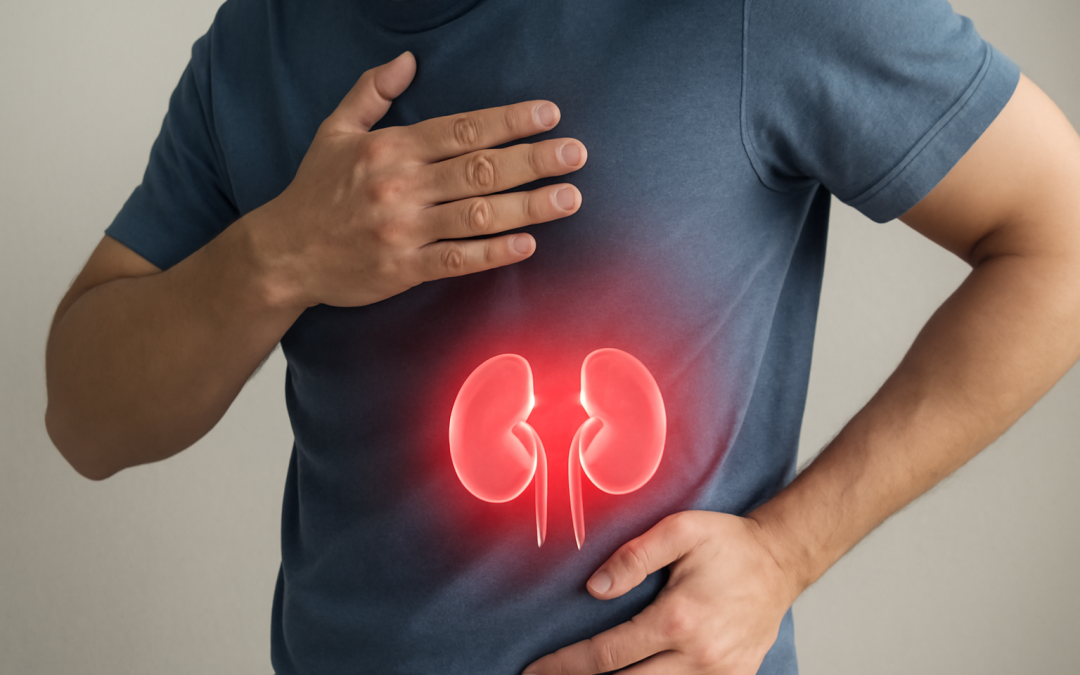
The kidneys are vital organs responsible for filtering waste and excess fluids from the blood, regulating blood pressure, and maintaining a balance of minerals and electrolytes essential for overall health. Despite their crucial functions, many people are unaware of how to recognize the early warning signs of kidney problems. Because kidney disease can progress silently, often without obvious symptoms until the damage is significant, early detection is vital to prevent more severe complications, including kidney failure.
One of the initial signs that the kidneys may not be performing optimally is changes in urination patterns. This could include an increase or decrease in the frequency of urination, particularly at night. When the kidneys are compromised, they can struggle to regulate fluid balance, resulting in nocturia — the need to urinate frequently during the night. Conversely, some individuals may notice a decrease in urination if kidney function declines substantially, as the kidneys are unable to filter and produce urine efficiently.
Another important indicator is the appearance of urine itself. Urine that is foamy or bubbly can be a sign of protein leaking into the urine, a condition known as proteinuria. Healthy kidneys typically prevent large molecules like proteins from passing into the urine, so the presence of protein can signify damage to the filtering units called nephrons. Blood in the urine, medically termed hematuria, is another warning signal. Even a small amount of blood, which might cause the urine to look pink, red, or cola-colored, should prompt a consultation with a healthcare professional.
Fatigue is a common symptom that can be linked to many conditions, but it frequently accompanies kidney disease. When the kidneys fail to work correctly, waste builds up in the body, leading to a condition called uremia. This accumulation of toxins in the bloodstream can cause persistent tiredness and weakness. Additionally, damaged kidneys tend to produce less erythropoietin, a hormone necessary for red blood cell production, which can lead to anemia and worsen feelings of fatigue and lethargy.
Swelling, particularly in the hands, feet, ankles, or around the eyes, is another sign that should not be ignored. When the kidneys are impaired, they struggle to remove excess salt and water, leading to fluid retention. This buildup causes edema, which manifests as swelling in different parts of the body. The swollen areas might feel puffy or tight, and the skin can appear stretched.
High blood pressure often develops as a result of kidney dysfunction. The kidneys help regulate blood pressure by balancing the levels of salt and water and by releasing hormones like renin. When they are damaged, this regulation system can malfunction, causing blood pressure to rise. Hypertension associated with kidney problems can further exacerbate kidney damage, creating a vicious cycle that accelerates the decline of kidney function.
Persistent itching or skin rashes can also be subtle clues that kidney health may be compromised. Waste buildup in the bloodstream due to poor kidney filtration can cause severe itching, medically referred to as uremic pruritus. The irritation may not respond to common remedies and can greatly impact quality of life. Skin changes, such as dryness or discoloration, can also occur in conjunction with this symptom.
Difficulty concentrating, confusion, or memory problems can be attributed to the buildup of toxins in the body as kidney function deteriorates. Healthy kidneys help keep the blood clean and chemically balanced, which directly supports brain function. When toxins accumulate, they can affect mental clarity, leading to “brain fog” and cognitive challenges.
Loss of appetite and nausea can arise due to the accumulation of metabolic waste in the body when the kidneys are unable to filter efficiently. These symptoms are often associated with more advanced kidney disease but can sometimes occur earlier in the progression. Individuals experiencing unexplained nausea or a persistent bitter taste in their mouth should carefully consider their kidney health, especially if accompanied by other symptoms.
Muscle cramps, especially in the legs, are sometimes reported by those with kidney impairment. This can happen due to imbalances in electrolytes such as calcium, potassium, and phosphorus, which are regulated by the kidneys. When these minerals are out of balance, the nerves and muscles may not function properly, causing discomfort or spasms.
Shortness of breath and chest pain can develop as more severe complications of kidney disease. Fluid retention may accumulate in the lungs, making it difficult to breathe, while high blood pressure can put strain on the heart. While these symptoms indicate advanced kidney trouble, they underscore the importance of early detection and management to prevent disease progression.
Certain risk factors increase the likelihood of developing kidney problems and should heighten vigilance for early symptoms. Conditions such as diabetes and hypertension are the leading causes of chronic kidney disease, so individuals with these diseases should monitor their kidney health closely. Family history, obesity, smoking, and age over 60 are also important considerations in assessing risk.
Regular medical checkups and screening tests are essential tools in identifying kidney disease early. Simple blood tests that measure levels of serum creatinine and blood urea nitrogen (BUN), along with urine analysis to detect protein or blood, can provide valuable insights into kidney function. Measuring the estimated glomerular filtration rate (eGFR) helps gauge how well the kidneys are filtering blood. Timely diagnosis opens the door to interventions that can slow disease progression and allow for lifestyle changes geared toward kidney preservation.
Diet and lifestyle play a crucial role in maintaining kidney health or managing kidney disease. Reducing sodium intake helps control blood pressure and decreases fluid retention, alleviating swelling and stress on the kidneys. Limiting protein intake can decrease the kidneys’ workload, while drinking adequate water supports their filtering capacity. Regular exercise, smoking cessation, and maintaining a healthy weight also contribute to overall kidney wellness.
For those experiencing early symptoms, it is important not to ignore them or self-diagnose. Many early warning signs of kidney problems overlap with other medical conditions, so professional medical assessment is vital for accurate diagnosis and treatment planning. Addressing kidney issues early often involves multidisciplinary care, including nephrologists, dietitians, and primary care providers.
Awareness and education about the subtle yet telling signs of kidney dysfunction can be the difference between manageable disease and life-threatening complications. Recognizing even mild changes in urination habits, unexplained fatigue, swelling, or skin changes should prompt individuals to seek medical advice. Early intervention can preserve kidney function and improve quality of life substantially.
In summary, kidney problems frequently manifest with a constellation of early symptoms that may seem innocuous at first but carry significant meaning when viewed together. Vigilance in observing changes in bodily functions, along with routine health screenings, especially for those at risk, is paramount in safeguarding renal health. By understanding and paying attention to these warning signs, it is possible to detect kidney issues early and take action before irreversible damage occurs. The kidneys may be small organs, but their impact on health is immense, making early detection and proactive care essential elements in preventing serious kidney disease.