In the realm of cinema, certain films linger not only because of their storytelling but due to the profound themes they explore, challenging audiences to reconsider their perceptions. This film is a stark meditation on the human condition and the moral complexities entangled with violence. The narrative delves deep into the repercussions that violent actions inflict, extending far beyond the immediate physical consequences. It paints a haunting portrait of characters burdened by their pasts and the inescapable shadows cast by their choices, unraveling the costs that violence exacts on individuals and society alike.
Set against the backdrop of a period where justice and revenge often merged indistinguishably, this story transcends the typical Western genre stereotypes. The central figure, a former outlaw turned farmer, symbolizes the tension between a violent past and the yearning for peace. His return to familiar yet unforgiving landscapes ignites a journey that questions notions of redemption and the possibility of change amidst entrenched brutality. The film carefully constructs a world where every act of aggression is not glorified but dissected for its emotional and psychological toll.
One of the most compelling aspects is how it refuses to romanticize violence. Instead of thrilling action sequences or clear distinctions between good and evil, the film presents a somber exploration of the ramifications that each act of violence imparts on the individuals involved. Characters grapple with guilt, regret, and the erosion of their humanity, illustrating that violence is never without consequence. This approach invites viewers to reflect on the cyclical nature of retribution and the difficulty of breaking free from a spiral of bloodshed.
The screenplay is meticulously crafted, employing sparse yet impactful dialogue that complements the film’s somber tone. It provides space for silence and contemplation, fostering an atmosphere heavy with unspoken tension and suppressed emotions. The interactions between the characters reveal layers of vulnerability and menace, often coexisting within the same glance or exchange. This subtlety adds depth to the narrative, highlighting the complexity of the human psyche when confronted with moral dilemmas.
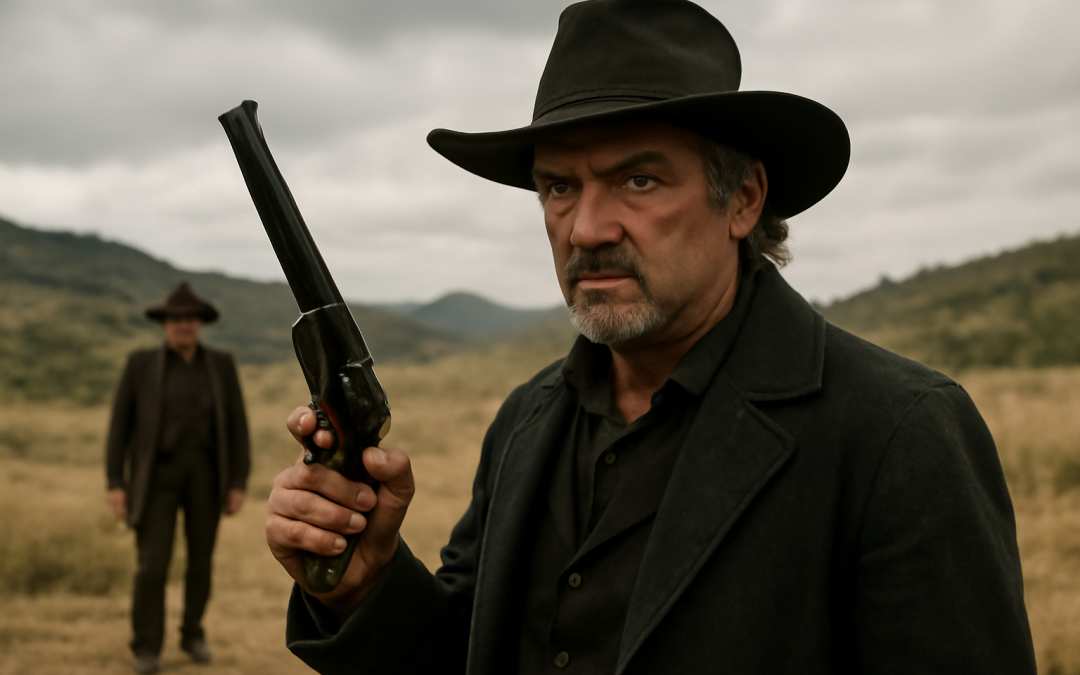
Visually, the film employs a subdued palette, mirroring the internal desolation experienced by the characters. Cinematography captures vast, empty landscapes that serve as metaphors for isolation and the emptiness left behind by violent acts. Long, lingering shots allow the audience to absorb the emotional weight borne by the protagonists, reinforcing the story’s themes without the need for overt exposition. The visual style supports the narrative’s emphasis on introspection and the enduring scars violence leaves behind.
Performances in the film are uniformly exceptional, bringing a nuanced realism to each character. The lead actor embodies a man caught between the desire for peace and the inevitability of violence, portraying a complex blend of strength, vulnerability, and weariness. Supporting roles enrich the story further, each character representing different facets of the human response to violence — from those seeking justice to others consumed by bitterness and revenge. Their interactions underscore the inevitability with which violence permeates relationships and shapes destinies.
Underlying the narrative is a profound meditation on the concept of justice and its ambiguity in a lawless environment. The film challenges the audience to question whether any act of violence can truly be justified or redeemed. It brings to light the paradoxes inherent in the pursuit of justice through violent means, suggesting that the cycle of aggression ultimately winds back on itself, fostering more suffering. This philosophical inquiry elevates the work beyond genre conventions and into a universal discourse on ethics and morality.
The film’s pacing is deliberate, reflective of its thematic depth. It avoids the rapid-fire progression typical in more action-centric stories, instead opting to linger on moments of tension and reflection. This pacing allows character development to unfold organically, giving audiences the opportunity to fully grasp the emotional landscapes that define each person’s actions and motivations. The slow unraveling of the plot parallels the gradual unmasking of the true cost that violent acts have inflicted upon all involved.
Sound design and score also play crucial roles in enhancing the story’s emotional impact. Minimalistic musical cues accompany key scenes, amplifying feelings of isolation, dread, or sorrow without overwhelming the narrative. Ambient sounds — the creak of a gate, footsteps on dry earth, the whisper of wind through sparse trees — immerse viewers within the environment and the characters’ internal turmoil. Together, these elements coalesce to create a sensory experience that complements the film’s somber and introspective mood.
Critically, the film has been praised for its uncompromising look at violence without resorting to sensationalism. It resists portraying violent figures as heroes or villains in a simplistic fashion, instead presenting them as human beings shaped by their circumstances and choices. This nuanced portrayal invites empathy and understanding, even as the audience must confront the harsh realities of their actions. Such complexity encourages thoughtful discussion about the societal and personal implications of violence.
Moreover, the story’s exploration of the past’s lingering influence is integral to its emotional resonance. Characters are haunted not merely by their own deeds but by the expectations, losses, and betrayals tethered to history. The film delves into how these unresolved conflicts manifest as tension, fear, and despair, suggesting that the true price of violence is often suffered over time rather than immediately. This exploration underscores the idea that violence inevitably alters lives in ways that cannot be undone, confining people within cycles of pain.
The film’s cultural and historical context enriches its narrative, providing insight into a transformative period when the frontier’s blurred lines between justice and lawlessness created moral ambiguity. By situating its characters in such a liminal space, the story accentuates the challenges faced by those striving to live ethically amid chaos. It also reflects broader societal themes of change, progress, and the difficulty of reconciling a violent legacy with the possibility of peace. This context lends the story both specificity and universality.
In the end, the film is not merely a tale of revenge or redemption; it is an incisive examination of the costs that accompany violent action. It compels viewers to confront uncomfortable questions about human nature and the price paid for survival and justice in a harsh world. Its enduring impact lies in its honest and unflinching portrayal of the consequences that violence breeds — suffering, loss, and a profound moral reckoning that few can escape. This sobering assessment makes it a timeless reflection on the complexities of violence and its far-reaching effects.
The characters’ journeys lead to an inevitable confrontation that epitomizes the story’s central theme. The resolution is neither triumphant nor redemptive in the traditional sense but instead carries a weight of realism and gravity. The final moments underscore the personal cost exacted by violence, leaving a lingering sense of melancholy and introspection. It is a poignant reminder that violence, even when seemingly justified, leaves indelible marks on the soul and fractures the fabric of community.
Dialogue throughout the film is especially notable for its economy and potency, often revealing more through what is left unsaid than spoken aloud. These moments of silence and pause are as significant as the verbal exchanges, offering insight into the characters’ emotional states and internal conflicts. The film’s writing crafts an atmosphere of tension and ambiguity, compelling the audience to fill in the gaps and engage more deeply with the story’s moral questions.
In terms of genre, this work defies easy classification. While it adopts many visual and thematic elements common to the Western, it eschews many of the genre’s conventions, particularly the glorification of gunslingers and outlaws. Instead, it subverts expectations, providing a more contemplative and critical lens on the myths of the Old West. This approach broadens the film’s appeal and relevance, allowing it to connect with audiences beyond traditional genre enthusiasts.
The enduring power of this film lies in its ability to provoke reflection long after the credits roll. Its meditative narrative and richly drawn characters serve as a mirror for viewers to examine their own beliefs about justice, vengeance, and the human capacity for violence and forgiveness. Such an impact is a testament to the story’s depth and the artistry of all involved in its creation.
Ultimately, this film is a somber but necessary indictment of the consequences that violence entails. It reveals that beneath the surface of each violent act lies a tangled web of sorrow, regret, and fractured humanity. Through its unyielding examination of these themes, it stands as a profound exploration of the cost violence demands — a message that remains as relevant today as ever.