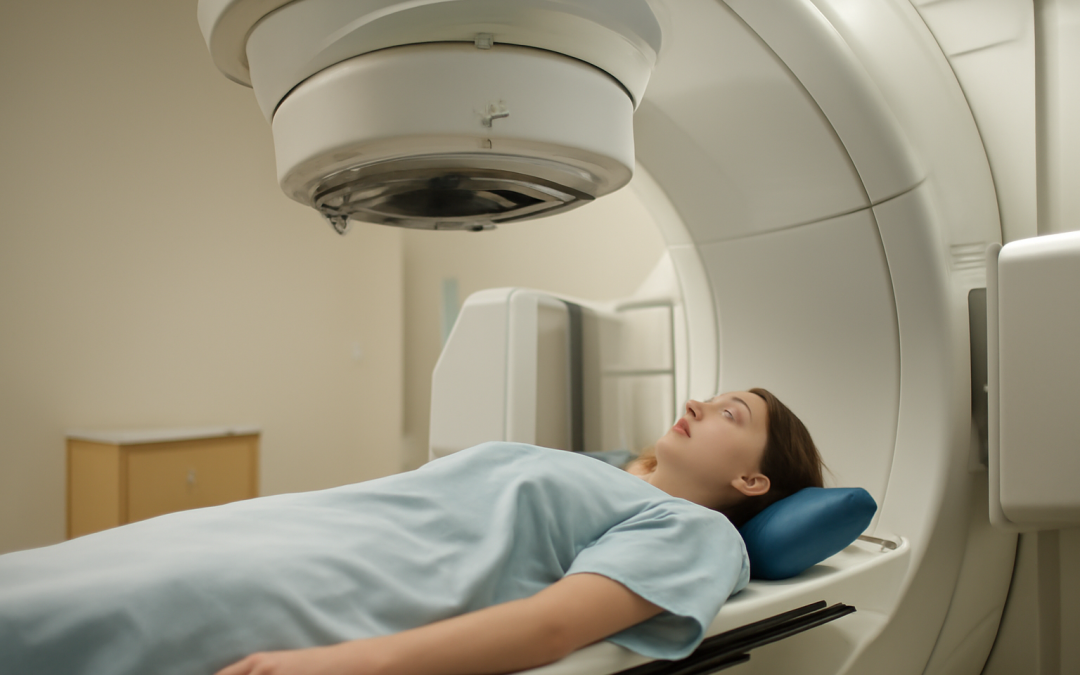
Radiation therapy is a critical component of modern cancer treatment, harnessing the power of high-energy radiation to destroy cancer cells while sparing healthy tissue wherever possible. This cutting-edge medical intervention has revolutionized oncology, providing hope and improved outcomes for millions of patients worldwide. At its core, radiation therapy works by damaging the DNA within cancer cells, inhibiting their ability to replicate and leading to their eventual death. By targeting tumors with precision, it helps reduce tumor size, relieve symptoms, and in many cases, eliminate cancer entirely.
The process begins with meticulous planning, as oncologists and radiation therapists work together to map out the exact region that requires treatment. This planning phase is crucial because radiation must be concentrated on the tumor while minimizing exposure to surrounding normal tissues. Advanced imaging technologies such as CT scans, MRIs, and PET scans are employed to provide detailed views of the tumor’s shape, size, and location. These images enable clinicians to develop a customized treatment plan, calculating the appropriate radiation dose and determining the angles from which radiation beams will be delivered.
The equipment used in radiation therapy varies depending on the type of radiation and the specific needs of the patient. External beam radiation therapy (EBRT) is the most commonly used form, involving the delivery of radiation from a machine located outside the body. Linear accelerators (linacs) accelerate electrons to produce high-energy X-rays that can penetrate deep into the body to reach cancer cells. In other cases, brachytherapy is employed, where radioactive sources are placed directly inside or near the tumor, providing concentrated doses of radiation over a short distance. The choice of technique depends on the tumor’s characteristics, patient health, and treatment goals.
At the molecular level, radiation therapy exerts its effects by generating charged particles and free radicals that cause breaks in the DNA strands of cancer cells. When DNA damage occurs, cells lose their ability to divide and reproduce effectively. Cancer cells tend to be more sensitive to this damage due to their rapid growth rates and reduced capacity to repair DNA failures compared to normal cells. Over time, this accumulation of DNA damage causes cancer cells to undergo programmed cell death, or apoptosis, while healthy cells typically recover and regenerate after a period of repair.
Treatment sessions are typically administered over several weeks, with schedules often involving daily doses over five days each week. Fractionating the radiation dose in this manner allows healthy tissues to repair damage between treatments while maintaining pressure on cancer cells. During each session, patients are positioned carefully to ensure precise delivery to the target area. Immobilization devices such as molds or masks might be used to prevent movement and enhance accuracy, making sure that radiation hits the tumor with minimal exposure to adjacent healthy organs.
Managing side effects is an integral part of radiation therapy. Because radiation can inadvertently affect surrounding healthy tissues, patients may experience symptoms depending on the treatment site. Common side effects include fatigue, skin irritation resembling mild sunburn, and localized discomfort. When treating areas like the chest, symptoms might include difficulty swallowing or mild inflammation of the esophagus. In pelvic irradiation, patients can sometimes experience urinary or bowel changes. Although some side effects may be distressing, advances in supportive care and precision targeting have reduced their severity and duration considerably.
The integration of novel technologies continues to improve the precision and effectiveness of radiation therapy. Techniques such as intensity-modulated radiation therapy (IMRT) allow for radiation beams to be shaped and modulated dynamically, delivering higher doses to irregularly shaped tumors while sparing sensitive structures. Image-guided radiation therapy (IGRT) incorporates real-time imaging during treatment sessions to adjust for tumor movement, such as breathing or slight patient shifts. Stereotactic radiosurgery and stereotactic body radiation therapy (SBRT) enable extremely precise, high-dose treatments for small tumors, often completed in fewer sessions.
Radiation therapy is not only a stand-alone treatment but is often combined with surgery, chemotherapy, or immunotherapy to achieve the best possible outcomes. In some cases, it is used preoperatively to shrink tumors before surgery, making them easier to remove. In others, it serves as an adjuvant therapy, targeting microscopic cancer cells that might remain after surgical resection. Radiation also plays a vital role in palliative care, alleviating pain or other symptoms caused by metastatic tumors and improving the quality of life for patients with advanced cancer.
Understanding the biological and physical principles behind radiation therapy reveals why it remains one of the most powerful tools in the arsenal against cancer. The interplay between tumor biology, radiation physics, and patient-specific factors creates a sophisticated approach tailored to each individual’s condition. This personalized medicine paradigm aims to maximize therapeutic effects while minimizing harm, reflecting decades of research and clinical refinement.
Moreover, ongoing clinical trials and research continue to expand the frontiers of radiation oncology. Scientists are investigating how combining radiation with novel agents like targeted therapies or immune checkpoint inhibitors might enhance cancer eradication. Studies also focus on minimizing long-term side effects and secondary complications, thereby improving survivorship and quality of life for patients who benefit from this treatment.
Education and communication are vital throughout the radiation therapy journey. Patients are often apprehensive about the notion of radiation due to common misconceptions or fear of side effects. Healthcare teams take great care to demystify the process, explaining what to expect during and after treatments, and providing support to manage physical and emotional challenges. This holistic approach helps empower patients, improving adherence to therapy and overall treatment success.
In conclusion, radiation therapy operates through a sophisticated mechanism involving targeted DNA damage to cancer cells, guided by advanced imaging and delivery technologies. Its application spans curative, preventive, and palliative roles, significantly impacting cancer care worldwide. Continuous innovations in this field promise to enhance precision, reduce toxicity, and increase the efficacy of treatments. By understanding the science and methodology behind radiation therapy, patients and clinicians alike can appreciate its critical role in combating cancer and improving lives.