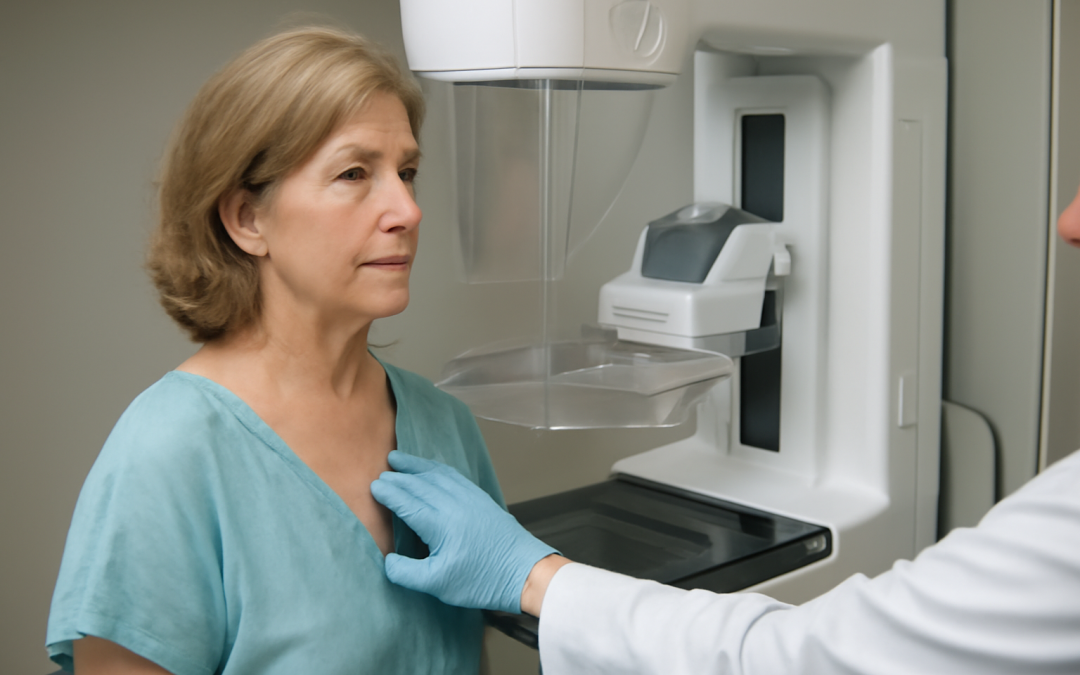
Early detection plays a crucial role in improving the outcomes of many diseases, particularly cancer. Through systematic testing and evaluation, healthcare professionals can identify cancer in its initial stages before symptoms develop or when they are still subtle. This proactive approach not only increases the chances of successful treatment but also significantly reduces the overall burden of the disease on patients and healthcare systems alike. Understanding how cancer screening works is essential for appreciating its role in preventive medicine and public health.
Cancer screening involves a series of medical tests designed to detect cancer or precancerous conditions in asymptomatic individuals. These tests differ from diagnostic procedures, which occur when symptoms prompt investigation. Screening aims to identify cancer at a stage when it is localized and more manageable, potentially preventing the disease from progressing to an advanced, harder-to-treat state. The concept rests on the principle that early-stage cancer detection can translate into better survival rates and, often, less aggressive treatment options.
The process begins by targeting populations at risk, focusing on specific age groups, genders, or individuals with particular risk factors such as family history, lifestyle habits, or exposure to carcinogens. For instance, mammography is routinely recommended for women over a certain age to screen for breast cancer, while colonoscopies are advised for adults around their 50s to check for colorectal cancer. These guidelines are based on epidemiological data, which identify when and where the risk of developing cancer is highest, optimizing the balance between benefits and potential harms of screening.
Different types of cancers require different screening modalities tailored to their biology, location, and growth patterns. Some screenings involve imaging tests, like mammograms or low-dose CT scans, which can reveal tumors or abnormal tissue masses. Others rely on laboratory tests that analyze blood, urine, or stool samples for cancer markers or DNA changes linked to malignancies. Physical examinations and biopsies may also form part of the screening pathway, especially when a suspicious area is detected needing further evaluation.
One key feature of effective cancer screening tests is their accuracy, usually evaluated in terms of sensitivity and specificity. Sensitivity measures how well a test identifies individuals with cancer, minimizing false negatives, while specificity assesses how accurately the test excludes those without cancer, reducing false positives. Achieving a high balance between these factors is critical, as false negatives can delay diagnosis and treatment, potentially worsening outcomes, and false positives can cause unnecessary anxiety and lead to invasive and costly follow-up procedures.
The screening process often starts with a non-invasive or minimally invasive test, followed by more definitive diagnostic procedures if initial results are abnormal. For example, in cervical cancer screening, a Pap smear detects abnormal cells on the cervix. If abnormalities are found, a follow-up colposcopy and biopsy may be performed to determine whether cancer or precancerous lesions exist. This stepwise approach ensures that invasive procedures are reserved for cases most likely to benefit from further investigation, thereby minimizing harm and focusing resources.
Another important aspect is risk stratification. Healthcare providers sometimes use scoring systems, questionnaires, or genetic testing to categorize individuals by their likelihood of developing cancer. This personalized approach allows for tailored screening strategies, where those at higher risk may be screened more frequently or with more sensitive methods, while lower-risk individuals undergo less intensive screening. Incorporating risk factors such as age, smoking history, genetic mutations, and environmental exposures helps enhance the efficiency and effectiveness of screening programs.
The benefits of cancer screening are well-documented in reducing mortality rates for several cancer types. Screening for breast, cervical, colorectal, and lung cancers has led to early detection and consequent improvements in survival. For example, mammography can detect breast tumors before they can be felt, allowing for earlier intervention. Similarly, colonoscopy can identify and remove polyps before they transform into malignant tumors, effectively preventing cancer altogether. These successes underscore the transformative impact that well-implemented screening programs can have on public health outcomes.
However, screening is not without its challenges and limitations. Overdiagnosis is a significant concern, where screening identifies tumors that may never cause harm or symptoms during a person’s lifetime. This can lead to overtreatment, exposing patients to unnecessary medical procedures and side effects. False positives may also cause emotional distress and frequent medical visits, creating a psychological and fiscal burden on patients and caregivers. Balancing these risks with the potential lifesaving benefits requires continuous monitoring and evaluation of screening guidelines and practices.
Another limitation relates to accessibility and participation. Screening effectiveness depends heavily on people actually undergoing testing at recommended intervals. Socioeconomic factors, language barriers, lack of awareness, and cultural beliefs often hinder participation rates in certain populations. Efforts to improve accessibility, such as mobile screening units, community outreach, and education campaigns, are essential to ensure equitable delivery of these services. Without widespread participation, even the most advanced screening programs cannot reach their full potential in reducing cancer burden.
Technological advancements continue to enhance the capabilities of cancer screening. Innovations such as liquid biopsies, which detect cancer-related DNA fragments circulating in the blood, promise less invasive and potentially more comprehensive detection methods. Artificial intelligence is also being integrated into imaging analysis to improve accuracy and reduce diagnostic errors. These emerging tools aim to refine the sensitivity and specificity of screening, reduce patient discomfort, and make early detection even more accessible in the near future.
Moreover, personalized medicine is reshaping screening paradigms. With increasing knowledge of genetic predispositions and molecular profiling, screening can be more precisely targeted. Genetic testing can identify individuals with inherited mutations linked to higher cancer risk, informing decisions about earlier or more frequent screenings. This approach helps conserve healthcare resources while maximizing the benefits for those most likely to develop cancer.
The logistics of implementing a cancer screening program require multidisciplinary coordination involving primary care providers, specialists, laboratories, and public health agencies. Establishing protocols for follow-up, patient education, data recording, and quality control ensures that screening delivers reliable results and that positive findings prompt timely diagnostic interventions. Continuous training of healthcare personnel and adherence to evidence-based guidelines are vital components for maintaining program integrity and trust.
Educating the public about the purpose, benefits, and potential downsides of screening is equally important. Transparent communication about how screening works, what to expect, and the meaning of positive or negative findings helps patients make informed decisions. Informed consent processes should clarify that screening does not provide absolute protection but rather reduces risk by catching cancer early in some cases. Empowering individuals with accurate knowledge fosters cooperation between patients and healthcare providers, contributing to more effective use of screening services.
Medical research continuously evaluates existing screening programs to optimize their protocols. Large-scale clinical trials and longitudinal studies assess mortality benefits, psychological effects, cost-effectiveness, and the impact of new technologies and strategies. Such research feeds into updates of recommendations issued by professional organizations and government agencies, ensuring screening guidelines evolve in response to emerging evidence and changing population dynamics.
Finally, integrating lifestyle modifications with screening can further reduce cancer incidence. While screening detects disease early, preventing cancer by addressing risk factors like smoking, diet, physical activity, and environmental exposures is equally essential. Public health initiatives that combine education, screening, and prevention policies offer a comprehensive approach to reducing the cancer burden and improving overall population health.
In conclusion, cancer screening is a multifaceted process that plays a vital role in early detection and prevention, significantly influencing treatment success and survival rates. By strategically targeting at-risk populations with appropriate tests, healthcare professionals can identify abnormalities at an early, often more treatable stage. Despite inherent challenges such as false positives and overdiagnosis, advances in technology, personalized approaches, public education, and comprehensive care coordination ensure that cancer screening remains a cornerstone of modern preventive medicine. Empowering individuals with knowledge and access to timely screening offers hope for reducing the devastating impact of cancer worldwide.