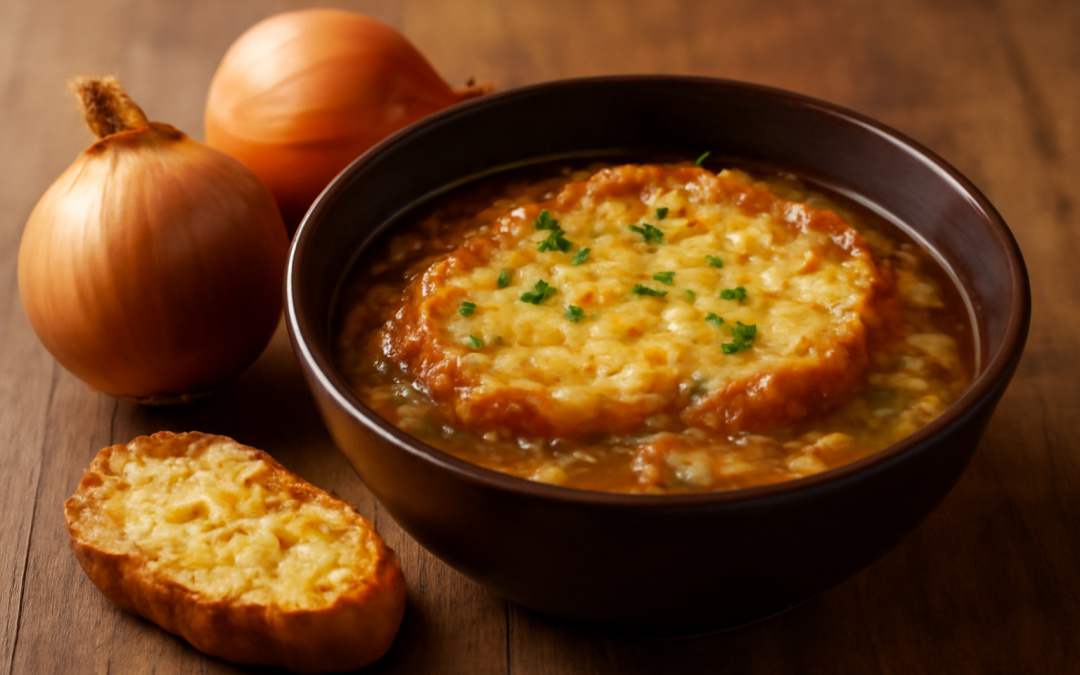
Few dishes evoke the warmth and comfort of a rustic kitchen quite like a steaming bowl of onion soup. Its simple yet rich flavors have made it a beloved culinary staple across various cultures. Despite its humble ingredients, onion soup carries a fascinating history that spans centuries and continents, reflecting the evolution of cooking techniques and the daily life of different societies. To truly appreciate this soul-soothing concoction, it is essential to explore its origins and how it became a culinary classic cherished worldwide.
The roots of onion soup trace back to ancient times when onions were among the most accessible and cultivated vegetables. Archaeological evidence suggests that onions have been consumed for over 5,000 years, with their cultivation dating to ancient Egyptian civilization. Onions were highly valued not only for their flavor but also for their medicinal properties, used in treating ailments and boosting vitality. It is likely that early societies prepared simple broths, incorporating onions as the main ingredient, to nourish themselves, making onion soup one of the earliest recorded types of soups in human history.
In ancient Rome and Greece, onions were a kitchen staple, often used as a base for various dishes. Roman cooks were known to create hearty soups using local vegetables, herbs, and meats, with onions playing a central role. Although no exact recipes for onion soup survive from this era, historical texts refer to onion-based broths consumed by commoners and soldiers alike, prized for their warming and restorative qualities. These early soups, while far simpler than modern versions, laid the groundwork for onion soup’s development across Europe.
The Middle Ages brought changes to Europe’s culinary landscape, and onion soup remained a staple among peasants. During this period, food scarcity and social stratification limited access to expensive ingredients, making onions a reliable and affordable flavor enhancer. Onion soup was often eaten as a simple meal in taverns and homes, especially in colder months when fresh vegetables were scarce. It was typically prepared by slow-cooking onions in water or leftover broth, sometimes with the addition of stale bread to provide sustenance. While the elite favored elaborate feasts, the common folk relied on these humble soups for comfort and nourishment.
The French have long been credited with transforming onion soup into a refined culinary masterpiece. By the 18th century, onion soup had become popular in France, particularly in Paris, where it was served in markets and taverns. Known as soupe à l’oignon, it was both affordable and flavorful, encapsulating the rustic charm of French cooking. The dish evolved to include browned onions caramelized to bring out their sweetness, a rich beef stock, and a savory topping of toasted bread and melted cheese. This combination created a harmonious balance of textures and tastes, elevating onion soup beyond its austere origins.
Caramelization of onions, a key technique in French onion soup, demonstrates how cooking methods can transform ingredients profoundly. By slowly cooking onions over moderate heat, natural sugars develop, producing a deep, sweet flavor that forms the soup’s backbone. This innovation shifted the perception of onion soup from a mere peasant meal to a delicacy celebrated for its complex taste. French cooks also perfected the use of cheese, commonly Gruyère or Comté, melted over crusty bread and placed on top of the soup, merging rich dairy flavors with savory broth and softened onions. This textural and flavor layering is one reason French onion soup has remained an enduring favorite.
While France played an influential role in refining onion soup, it’s important to recognize that variations exist throughout Europe and beyond. In regions of Germany, Italy, and Eastern Europe, onion-based soups developed with local ingredients and techniques. For example, in Bavaria, onion soup is made using clear beef broth with generous amounts of onions and sometimes potatoes, showcasing regional preferences for lighter, clearer soups. Italian variations often incorporate garlic, herbs like rosemary or sage, and sometimes tomatoes, while Eastern European versions may include sour cream or fermented elements to add tanginess. These diverse adaptations demonstrate the universal appeal of onions as a flavor base in soups.
The migration of Europeans to the United States and other continents brought onion soup across oceans, where it adapted to new culinary environments. In America, the dish retained its French influences but also absorbed local tastes and ingredients. American onion soup recipes sometimes feature stewed onions in beef broth, topped with melted cheddar or mozzarella cheese instead of traditional Gruyère. These adaptations highlight how the soup has remained flexible and culturally relevant, evolving with the preferences and available ingredients of each locale.
Beyond its culinary presence, onion soup is interwoven with social and cultural symbolism. It is often associated with communal meals and hospitality, signifying warmth, simplicity, and care. In many traditions, sharing a bowl of such a nourishing soup signifies comfort and healing, especially during cold winters or times of illness. This emotional resonance has helped sustain the dish through centuries as both a practical nourishment and a sentimental favorite. Cookbooks, literature, and cinema frequently reference onion soup as a symbol of home and tradition, reflecting its deep-rooted place in human culture.
The nutritional aspects of onion soup have also contributed to its longevity. Onions are rich in antioxidants and vitamins, particularly vitamin C and B6, which historically made onion soup a valued remedy for colds and digestive issues. When combined with broth, especially beef or chicken, the soup provides protein, minerals, and hydration—attributes that improved its reputation as a healthful, restorative dish. This functional efficacy reinforced its popularity during times when medical treatments were limited and food was closely tied to wellbeing.
The preparation of onion soup has remained relatively consistent over the years, but modern culinary trends continue to influence its presentation and ingredients. Contemporary chefs experiment with additions such as wine, sherry, or brandy to enhance the broth’s complexity. Some use slow-cooking techniques in pressure cookers or sous-vide to intensify flavors while saving time. Vegetarian and vegan variations substitute traditional beef stock with vegetable broth and omit cheese in favor of plant-based alternatives, reflecting broader dietary shifts. These innovations illustrate how onion soup balances tradition and innovation, ensuring its relevance in modern kitchens without losing its fundamental character.
Understanding the origins of onion soup reveals more than the history of a dish; it offers insight into humanity’s relationship with food, resourcefulness, and culture. Throughout the ages, onion soup has exemplified how simple ingredients can be transformed through skill and creativity into something greater than the sum of its parts. From ancient broths to French culinary artistry and global adaptations, the journey of onion soup underscores the enduring human impulse to create comfort and connection through food.
In conclusion, the story of onion soup is a testament to the power of humble ingredients combined with culinary ingenuity. Its evolution from ancient staples to an internationally celebrated dish echoes broader historical, social, and cultural dynamics. Serving as both sustenance and symbol, onion soup continues to warm hearts and palates worldwide. Whether enjoyed in a rustic kitchen or a fine restaurant, its rich history and timeless flavor remind us of the enduring magic found in the simplest meals.