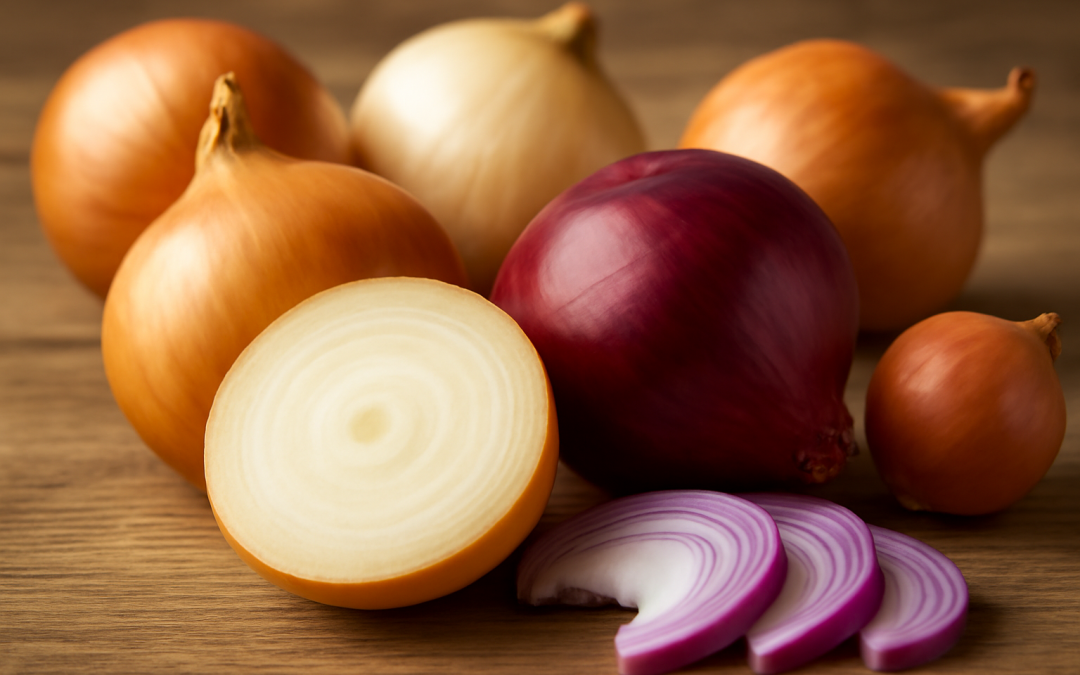
Onions have been a fundamental ingredient in culinary traditions around the world for thousands of years. Their pungent aroma, layered texture, and distinctive flavor make them a versatile staple in countless recipes, transcending cultural boundaries and time periods. This humble bulb, often taken for granted in modern kitchens, carries a rich and fascinating history that reveals its significance in the evolution of world cuisine. Tracing the journey of onions from their earliest cultivation to their ubiquitous presence today highlights not only the development of diverse food cultures but also the interconnectedness of global culinary practices.
The origin of onions is believed to be in Central Asia or the Middle East, where wild species grew naturally and were eventually cultivated by ancient civilizations. Archaeological evidence suggests that onions were among the first domesticated crops, with records of their cultivation dating back to the Bronze Age. The ancient Egyptians valued onions highly, not only as food but also for symbolic and medicinal purposes. Onions appeared frequently in Egyptian art and hieroglyphs, symbolizing eternity because of their concentric layers. They were often placed in the tombs of pharaohs, including that of Tutankhamun, signifying their sacred status and importance in rituals surrounding life and death.
As trade networks expanded through the Mediterranean and beyond, onions spread to other ancient societies such as the Greeks and Romans. These cultures integrated onions into their diets and medical practices, recognizing their nutritional and healing properties. The Greeks used onions both as food and in athletic rituals, believing they could improve strength and endurance. Roman writers like Pliny the Elder documented the diverse uses of onions, ranging from seasoning dishes to treating common ailments. The adaptability of onions was evident even then, as they could be consumed raw, cooked, pickled, or preserved, enhancing the flavors of countless recipes.
The significance of onions continued through the Middle Ages in Europe, where they were cultivated extensively in monastery gardens and peasant farms alike. During this period, onions were a dietary cornerstone for both the common people and nobility, given their ability to grow easily and store well through the winter months. They were incorporated into hearty stews, soups, and pottages that sustained the population during harsh times. Onions also played a medicinal role in medieval herbalism, often prescribed for digestive issues, infections, and respiratory conditions. Their rich sulfur compounds, which give onions their characteristic pungency, were long recognized as beneficial to health.
Meanwhile, in Asia, onions evolved as an essential element in regional cuisines. In India, for example, onions became deeply embedded in cooking traditions, combined with garlic, spices, and herbs to create complex flavor bases that form the backbone of dishes like curries and biryanis. The use of onions in Asian cuisine is diverse, ranging from the fresh, crisp scallion varieties employed in East Asian stir-fries and soups to the caramelized and spiced onions prevalent in Middle Eastern and South Asian cooking. The introduction of onions to different parts of Asia likely occurred through ancient trade routes such as the Silk Road, facilitating cultural exchange and culinary adaptation.
In the Americas, onions have a different narrative. Native peoples originally cultivated a variety of alliums distinct from the Old World onion, such as wild leeks and chives. However, following the Columbian Exchange, onions from Europe and Asia were introduced and quickly adopted into indigenous agricultural systems and culinary repertoires. The adaptability of onions to new climates and soil types allowed them to become a staple across the continent. Today, onions figure prominently in Latin American, Cajun, and Creole cuisines, where their flavor links various cultural influences, from Indigenous to African and European traditions.
The role of onions in world cuisine extends beyond their culinary properties to encompass social, economic, and even spiritual dimensions. In many cultures, onions are not merely an ingredient but a symbol of sustenance and prosperity. Their layered structure has often been used as a metaphor for complexity, resilience, and unity. Culinary practices involving onions have been passed down through generations, preserving regional identities while also evolving with changing tastes and technologies. The development of new varieties and cultivation methods continues to expand the presence of onions in global food systems, reflecting agricultural innovation alongside cultural continuity.
The versatility of onions lies in their ability to complement and transform a wide range of dishes. From the subtle sweetness that emerges when onions are slowly caramelized to the sharp bite they lend when raw, onions contribute depth and character to soups, salads, sauces, and main courses alike. Their chemical composition includes sulfur-containing compounds that undergo significant changes during cooking, giving rise to flavors that can range from acrid and assertive to mellow and sweet. This chemical complexity explains why onions remain indispensable in kitchens worldwide, enhancing everything from rustic home-cooked meals to haute cuisine delights.
In addition to their flavor, onions provide nutritional benefits that have been recognized across cultures. Rich in vitamins C and B6, folate, and antioxidants, they support immune health and reduce inflammation. Traditional medicine systems, including Ayurvedic and Chinese medicine, have long prescribed onions for their antibacterial and antiviral properties. Modern scientific research has begun to validate many of these claims, further cementing the onion’s status as both a culinary and health-promoting food. This dual role enhances the onion’s appeal across global food traditions, where health and taste are often intertwined.
The economic impact of onion cultivation is substantial on a global scale. It is one of the most widely grown and consumed vegetables, with millions of tons produced annually. Major producers include China, India, and the United States, where onions are a vital crop supporting rural economies and international trade. Advances in agriculture, storage, and transportation have enabled year-round availability of onions, ensuring their integration into food systems worldwide. Despite this industrialization, many regions maintain heirloom varieties prized for unique flavors and textures, preserving biodiversity and culinary heritage.
The cultural significance of onions is also reflected in festivals, folklore, and traditions. Several countries hold annual onion fairs or festivals celebrating the harvest, underscoring the vegetable’s importance beyond the plate. Folklore surrounding onions often attributes protective or magical qualities to the bulb, believed to ward off evil spirits or bring good fortune. These cultural practices illustrate the deep-rooted connection between humans and onions that transcends mere nutrition, embodying shared histories and communal values reinforced through food.
Examining the role of onions in modern gastronomy reveals their continued evolution and relevance. Contemporary chefs experiment with onions in innovative ways, from fermentation and pickling to confit and dehydrated onion powders. These techniques highlight the onion’s adaptability and ability to provide both foundational and avant-garde flavors. Moreover, the global fusion food movement has embraced onions as a common thread, integrating them seamlessly into hybrid dishes that blend culinary elements from different cultures. This ongoing innovation signals that onions will remain central to the world’s culinary identity.
The story of onions in world cuisine is a testament to their enduring appeal and functional importance. What began as a simple wild plant grew into a cultivated crop that influenced diets, economies, and cultures on multiple continents. Its widespread adoption and continual reinvention reflect broader patterns of human migration, trade, and cultural exchange. Onions serve as a culinary bridge linking diverse traditions, demonstrating how a single ingredient can unify the complex and varied tapestry of global foodways.
In every corner of the world, onions carry significance that goes far beyond their role as a seasoning or vegetable. They symbolize nourishment, resilience, and adaptability—qualities that mirror the evolution of human societies and their cuisines. Whether enhancing the flavors of a humble stew or starring in elaborate gourmet compositions, onions have stood the test of time. Their rich history intertwined with human civilization ensures that they will remain a cornerstone of cooking and culture for generations to come.