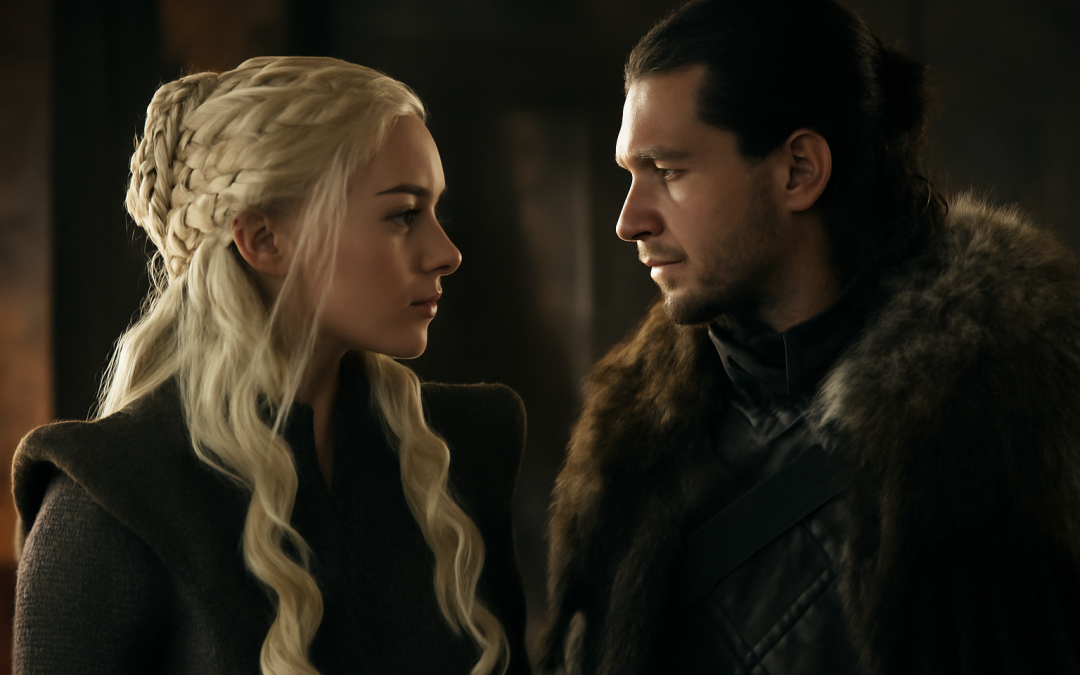
The landscape of political intrigue and ruthless ambition within the realm of Westeros has captivated audiences like no other, crafting a narrative that is as complex as it is compelling. In a world where alliances shift like sand and loyalty often comes at a steep price, every move is a calculated risk, and the struggle for power is unrelenting. This intricate dance of strategy and survival is at the heart of the series, where the quest for dominance is not merely a backdrop but the very engine driving the story forward. It’s a saga that explores not just the external battles for thrones and territories, but also the internal battles within individuals torn between honor, desire, and the necessity of sacrifice.
From the very first episode, viewers are thrust into a harsh and unforgiving world where nobility and savagery coexist, and no one is safe from the consequences of their decisions. The show excels at portraying the multifaceted nature of power—it can be seductive, corrupting, and destructive, but also a force capable of uniting and inspiring people. Characters are never one-dimensional; they embody the complexities of human nature, showcasing how the lust for power can manifest in courage, cruelty, intelligence, and vulnerability. It is through these vivid portrayals that the series transcends mere fantasy and becomes a profound meditation on leadership, morality, and the human condition.
The early seasons set the stage for a sprawling political drama that refuses to simplify the motivations behind the characters’ actions. Leaders are not merely good or evil; they are flawed, often making decisions based on pragmatic concerns rather than idealistic notions. For instance, the stark contrast between the honorable, yet sometimes naive, Stark family and the cunning, ruthless Lannisters highlights the complexity of ruling a fractured kingdom. Even the so-called villains possess moments of unexpected humanity, making it difficult to cast clear judgments. This moral ambiguity enriches the narrative, emphasizing that power often demands compromise and that survival in such a cutthroat environment is a victory in itself.
Moreover, the meticulous world-building amplifies the stakes of each power play, grounding fantastical elements in a realistic framework. The intricate histories, customs, and political structures create a believable setting where the lines between magic and reality blur. The realm’s feudal system, with its intricate web of vassalage and allegiances, mirrors historical power struggles, making the series resonate beyond its fictional veneer. It is this intersection of fantasy and realism that allows the story to explore timeless themes of ambition, betrayal, loyalty, and justice in a way that feels both epic and intimate.
One of the most compelling aspects of the narrative is how it handles the dynamics between gender and power. Women in this world are often underestimated or marginalized, yet many rise to positions of influence through intelligence, determination, and an unyielding will. Characters like Cersei Lannister, Daenerys Targaryen, and Sansa Stark demonstrate that power is not solely wielded on the battlefield or the throne room, but also through subtle manipulation, resilience, and bold leadership. Their journeys underscore the importance of agency and adaptability in a society that frequently attempts to constrain them. These characters’ evolving arcs challenge traditional notions of authority and highlight the intersectionality of power with identity and social expectations.
The series is also notable for its willingness to upend expectations by eliminating key characters at unexpected moments. This narrative choice lends a relentless unpredictability that keeps viewers constantly engaged and invested. No character is safe, and the resulting tension reinforces the inherent dangers of the pursuit of power. It reminds audiences that arrogance and complacency are liabilities, and even the most strategically minded individuals can be undone by unforeseen circumstances or betrayal. This creates an atmosphere where strategy must be paired with vigilance and adaptability, reflecting the true nature of political maneuvering.
In addition to the personal dramas and court intrigues, the larger geopolitical landscape plays a critical role in shaping the story’s progression. The way different factions vie for control of the Iron Throne reveals broader themes of legitimacy, governance, and the burdens of rulership. Characters frequently grapple with the question of what kind of ruler they want to be, and whether the ends justify the means. These philosophical conflicts elevate the story from mere power struggles to a reflection on the nature of authority and the responsibilities it entails. The tension between maintaining order and embracing chaos is a recurrent motif that resonates deeply with viewers invested in the fate of the realm.
The aesthetic and production values also significantly enhance the storytelling, immersing viewers in a rich, immersive world. From sprawling castles to desolate wastelands, every location serves as a visual metaphor for the power struggles unfolding within its walls. The use of costumes, props, and settings helps to reinforce character development and thematic elements, making each scene a layered experience. Cinematic battle sequences punctuate the narrative, showcasing the brutal realities and high costs of pursuing dominion over others. These moments of spectacle are not gratuitous but serve to underscore the human and political consequences of conflict.
Music and sound design further drive home the emotional intensity and stakes of the story. The haunting score and carefully curated soundscapes create an atmosphere that fluctuates between suspense, melancholy, and triumph. These auditory elements deepen the viewer’s immersion and heighten the impact of pivotal scenes, reinforcing the emotional resonance of power struggles. They remind the audience that every victory is hard-won and every defeat carries profound ramifications, thus enriching the narrative experience.
A vital element of the show’s enduring appeal is its ensemble cast, which brings to life a vast array of characters with nuance and depth. The performances ground the sprawling plotlines and lend authenticity to even the most extraordinary moments. The actors’ ability to convey subtle shifts in power dynamics, hidden agendas, and emotional turmoil transforms the series into a compelling study of human nature under extreme pressure. Through their interpretations, viewers gain insight into the multifaceted nature of power and the personal costs it exacts on those who wield it.
What also distinguishes the narrative is its exploration of the cost of ambition and the pursuit of power. With every alliance forged and every betrayal enacted, characters pay a toll that often extends beyond the political into the personal realm. Family bonds are tested, friendships shattered, and ideals compromised, illustrating that power’s pursuit is rarely without consequence. This tragic dimension invokes empathy and invites reflection on the ethical dilemmas faced by those in positions of influence. It reveals that while power can confer control, it also magnifies vulnerabilities and the potential for loss.
The series deftly incorporates moments of humanity and humor amid the prevailing darkness, offering relief and reinforcing character depth. Smaller, quieter scenes reveal personal desires, fears, and hopes that contrast with the larger-than-life conflicts. These interludes contribute to a balanced storytelling approach that humane the characters and allows the audience to connect on a deeper emotional level. This complexity ensures the narrative transcends the typical fantasy genre tropes, presenting a comprehensive portrayal of individuals caught in a relentless vortex of ambition and survival.
As the story progresses toward its climactic events, the interplay of power becomes increasingly intricate and fraught with peril. Unexpected alliances form while old rivalries reignite, and the shifting sands of loyalty demand constant reassessment. This complexity mirrors the real-world nature of political power, which is unstable and often dependent on fragile consensus and perception. The series masterfully captures this volatility, emphasizing that power is as much about perception and influence as it is about actual military or economic strength. It teaches viewers that the ultimate power lies not in force alone but in the ability to command respect, inspire followers, and manipulate the narratives that shape public opinion.
The narrative also raises important questions about the legitimacy of rule and the qualities that make a leader worthy of power. Throughout the series, various claimants assert their right to the throne based on bloodline, conquest, or moral authority. This debate on rulership invites viewers to consider the foundations upon which societies are built and the ways in which power is justified or contested. The story refrains from providing easy answers, instead presenting the complexities and contradictions inherent in leadership. This nuanced approach challenges simplistic notions of monarchy and governance and encourages a deeper understanding of political power’s nature and its impact on society.
One of the most haunting aspects of the series is its portrayal of the long-term consequences of power struggles on common people and the realm itself. As noble houses wage war and jockey for position, the ramifications ripple outward, resulting in death, displacement, and suffering among the population. This perspective grounds the story and serves as a sobering reminder that power, while glamorous in its pursuit, can have devastating effects on society. The series thus offers a critical commentary on leadership and responsibility, underscoring the importance of ethical governance and the perils of unchecked ambition.
The interplay between tradition and change also emerges as a central theme intertwined with the quest for power. Characters frequently confront the tension between upholding established customs and embracing new ideas or reforms. This dynamic further complicates the political landscape, as the desire for progress often conflicts with entrenched interests and resistance to change. The narrative explores how power can be both a preservative force for cultural identity and a disruptive agent that reshapes societal norms. This dual nature adds depth to the story, illustrating the challenges leaders face in balancing continuity with innovation.
Throughout the series, the use of symbolism and motifs enriches the exploration of power. Iconography such as the Iron Throne, sigils of noble houses, and recurring references to fire and ice serve as metaphors for the themes at play. The Iron Throne itself represents the allure and danger of power, a seat that promises authority but is forged from the swords of vanquished enemies. These visual and narrative symbols reinforce the idea that power comes with both prestige and peril and that those who seek it must contend with the legacies and burdens embedded in its pursuit.
In its final analysis, the series stands as a compelling examination of political machinations, character complexity, and the human costs of ambition. It challenges viewers to rethink conventional ideas about power and leadership, offering a rich tapestry of narratives that are as intellectually stimulating as they are emotionally engaging. The balance of personal drama with epic scope delivers a story that resonates deeply and leaves a lasting impression on those who journey through the turbulent world of Westeros. Ultimately, it is a testament to the timeless fascination with power and the enduring question of what it takes to wield it wisely and justly.