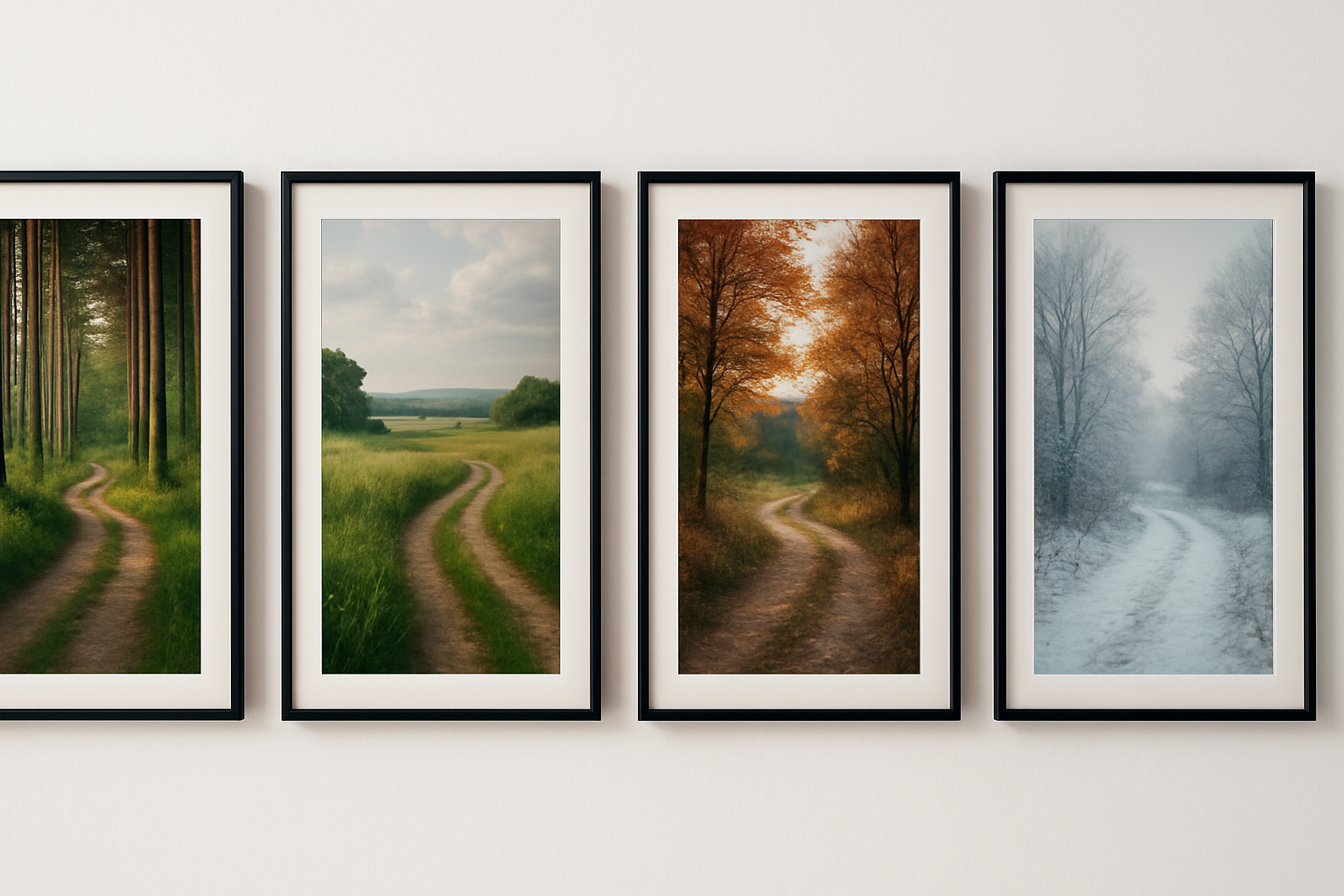
Visual themes across a series serve as the foundational thread that binds multiple works into a cohesive narrative or artistic expression. They function not only as aesthetic markers but also as crucial conveyors of mood, message, and identity throughout the series. Whether in film, literature, graphic novels, video games, or even exhibitions and product lines, these visual motifs create a recognizable language that audiences can immediately connect with and interpret. Their careful development and consistent implementation enhance the storytelling experience and deepen the emotional resonance, making the entire collection more meaningful and memorable.
The establishment of visual themes involves a deliberate selection of colors, shapes, textures, and design elements that reflect the overarching message or mood of the series. For instance, a series rooted in dystopian fiction might employ a muted palette with harsh, angular designs to evoke a sense of bleakness and control. Conversely, a fantasy series may incorporate vibrant, organic shapes and lush, saturated colors to illustrate magic and wonder. These choices are not accidental; they are strategic decisions made to immerse viewers or readers within the imagined world, reinforce character traits, and highlight narrative shifts.
One of the most potent ways visual themes manifest is through color schemes that evolve subtly across the series. Consider how some series use a dominant palette in early installments that gradually shifts to reflect the development of the story or characters. This gradual transformation can signify growth, decay, hope, or despair, often communicating what words alone might struggle to convey. For example, the progression from light pastels to darker tones can mirror a protagonist’s journey from innocence to experience, or from unity to fragmentation. The consistency in the hues used also ensures a distinct brand identity, making the series instantly recognizable even to those only casually familiar with it.
Beyond color, recurring visual symbols anchor the series’ aesthetic and thematic concerns. These symbols often gain symbolic weight through repetition and integration into key moments. A particular emblem, pattern, or motif might initially appear subtly but gain prominence as the series progresses, signaling its importance to the story’s core conflict or resolution. This technique enriches the audience’s engagement by inviting them to identify patterns and uncover deeper meanings hidden beneath the surface. The strategic deployment of such symbols across a series enhances the overall storytelling, making abstract ideas tangible and linking disparate elements into a unified whole.
Character design also plays a crucial role in reinforcing visual themes across a series. The evolution of characters’ appearances can mirror their internal transformations, bringing an added layer of narrative depth. Clothing, hairstyles, posture, and even color choices tied to a character visually communicate personality traits, emotional states, or affiliations. For instance, a hero’s costume might become more intricate or battle-worn over time, suggesting growth and experience, while an antagonist’s colors might shift from vibrant to muted to indicate a fall from grace. In visual storytelling, these nuanced adjustments help ground the characters within the thematic landscape, allowing viewers to perceive their journey not only through plot but through their look and presence.
Textures and environmental details also contribute profoundly to visual continuity. The settings in which a series unfolds are meticulously crafted to enhance the mood and support the narrative’s themes. From gritty urban landscapes in crime dramas to ethereal, surreal environments in fantasy epics, these visual backgrounds serve as extensions of the story itself. Consistency in architectural styles, flora, weather conditions, and material textures reinforces the sense of place and immerses the audience deeper into the storyline. Moreover, gradual changes in these elements can trace the narrative’s progression, such as the decay of a once-prosperous city or the encroachment of darkness into a previously bright realm.
Another significant aspect is the use of lighting across a series. Lighting sets the tone and atmosphere, influencing how viewers emotionally perceive scenes. Warm lighting can evoke comfort, hope, or nostalgia, while harsh, cold light may imply danger, isolation, or despair. In many series, lighting schemes grow more complex with the story, from the hopeful brightness of early chapters to the shadow-filled tension of later installments. Consistent use of lighting techniques not only helps unify the visual feel but also provides subtle cues to guide viewer emotions and expectations as the series unfolds.
The sequencing of visual themes is particularly noteworthy in serialized storytelling, where each installment builds upon the last to create a cumulative effect. This layering demands foresight and careful planning to ensure that motifs are introduced with intention and revisited meaningfully. Writers and artists must balance the desire for recognizable visuals with the need for innovation to keep audiences engaged. A well-executed theme progression will offer enough familiarity to maintain coherence but also enough variation to avoid monotony. This dynamic interplay between repetition and change is a hallmark of successful series, enabling them to grow while remaining anchored to their identity.
The interplay between visual themes and narrative arcs often reveals deeper philosophical or emotional underpinnings. A series centered around themes of identity and transformation might use visual motifs such as mirrors, masks, or shifting shadows to represent the fluidity of self. Another dealing with conflict and reconciliation might employ imagery of broken and mended objects or shifting landscapes to externalize internal struggles. Through visual symbolism and thematic consistency, series creators invite audiences not only to consume a story but to reflect on its implications, transcending mere entertainment to provoke thought and empathy.
In multimedia series, such as those spanning graphic novels, animated series, and video games, maintaining visual themes is even more complex and vital. Each medium has its own strengths and constraints, yet the underlying visual language must remain coherent to sustain the series’ identity. This often necessitates collaboration among various creative teams—illustrators, animators, game designers—working together to faithfully translate and adapt core themes. The challenge lies in honoring the distinctiveness of each medium while preserving the continuity of colors, motifs, and design sensibilities that define the series as a whole.
Visual themes also serve marketing and branding functions, helping to cultivate a loyal fan base and enhance commercial success. Recognizable visuals create strong associations in the minds of audiences, making it easier for products, merchandise, or promotional materials to evoke the series’ essence. This significance often extends beyond the core audience, drawing in new fans through striking imagery that captures attention and curiosity. The strategic use of visual consistency across packaging, posters, social media, and other platforms amplifies the series’ reach and solidifies its cultural imprint.
Cultural influences can deeply inform and enrich visual themes across a series. Drawing on specific art movements, historical periods, or regional aesthetics adds layers of authenticity and nuance. For instance, a series inspired by Japanese folklore might incorporate traditional patterns, color symbolism, and architectural elements that resonate with cultural meanings while providing a unique visual flair. These influences not only diversify the visual palette but also broaden the narratives’ resonance by connecting them to broader human experiences and traditions. Thoughtful cultural integration ensures that visual themes are not only stylistic choices but meaningful expressions of identity and heritage.
The pace at which visual themes evolve can significantly impact audience engagement. Slow, subtle shifts encourage viewers to delve deeper, fostering a sense of discovery and investment in the nuances of the series. Rapid or drastic changes, while riskier, can signal dramatic turns in the storyline or character development, heightening tension and excitement. The timing and manner of these visual transitions require careful calibration to align with the narrative rhythm, ensuring that the visual language remains in harmony with the unfolding drama. When executed skillfully, these variations maintain freshness without sacrificing coherence.
Intertextuality within visual themes across a series is another compelling dimension. Creators often reference earlier works, mythologies, or cultural icons through visuals, enriching the series with layers of meaning accessible to those familiar with the references. This technique can establish a dialogue between the series and a broader artistic or literary tradition, embedding messages that transcend the immediate context. Fans who recognize these motifs gain added satisfaction and engagement, turning passive consumption into active interpretation. Such intertextual visuals contribute to the series’ depth and longevity.
Modern advances in technology have expanded the possibilities and complexity of visual themes across a series. High-definition graphics, animation techniques, and digital effects allow creators to experiment with lighting, color gradients, and textures in ways previously impossible. This has led to more intricate and immersive visual worlds, enhancing the ability to convey subtle emotional and thematic nuances. Moreover, digital platforms facilitate real-time feedback and iterative refinement, enabling creators to fine-tune visual themes based on audience response and evolving creative visions. These technological tools, when used thoughtfully, elevate the artistry and impact of visual storytelling.
Consistency in visual themes across a series also aids in world-building, supporting the suspension of disbelief essential for audience immersion. When every element—from character design to environmental details—adheres to a coherent aesthetic logic, the fictional universe feels complete and believable. Minor inconsistencies can jar the viewer and disrupt engagement, whereas a meticulously maintained visual continuity strengthens the reality of the world and deepens emotional investment. This careful construction of visual reality is as crucial as narrative coherence in creating a satisfying and immersive series experience.
The emotional power of visual themes should not be underestimated. Colors can evoke feelings of warmth or coldness, shapes can feel inviting or threatening, and lighting can imbue scenes with hope or despair. Through recurring visual cues, a series can subtly influence audience emotions, preparing them for forthcoming events or underscoring key moments. This emotional guidance deepens the storytelling and can create a shared psychological experience among viewers. The synergy between visual and narrative elements produces a richer, multi-layered impact that pure text or dialogue cannot achieve alone.
The use of contrast and harmony within visual themes creates dynamic tension and balance throughout a series. Contrasts in color, texture, and form can highlight conflicts, differences in character motivations, or shifts in tone. Meanwhile, harmonious visual elements convey unity, resolution, or moments of peace. The interplay between these visual forces mirrors narrative conflicts and resolutions, providing an intuitive way for audiences to grasp changes in story or mood. Mastering this balance ensures that visual themes function effectively at both subtle and overt levels.
Updating visual themes across long-running series can be challenging but rewarding. As a series matures, creators often face the dilemma of maintaining familiarity versus introducing fresh designs to reflect changing tastes, technologies, or narrative developments. Successful updates retain the core visual identity while refining or expanding the established motifs, appealing to both longtime fans and new audiences. Thoughtful reinvention can revitalize a series, ensuring its continued relevance and preventing stagnation without alienating its loyal base.
In conclusion, the careful crafting and deliberate evolution of visual themes across a series are essential to creating a unified, engaging, and emotionally compelling body of work. These themes serve as a visual vocabulary that enhances storytelling, reinforces narrative arcs, and deepens audience connection. Through consistent color palettes, recurring motifs, intentional character designs, and harmonious environmental details, series creators can build immersive worlds that resonate beyond the individual installments. As a bridge between artistry and narrative, visual themes enrich the cultural and emotional fabric of a series, making it a memorable and impactful experience for audiences around the world.