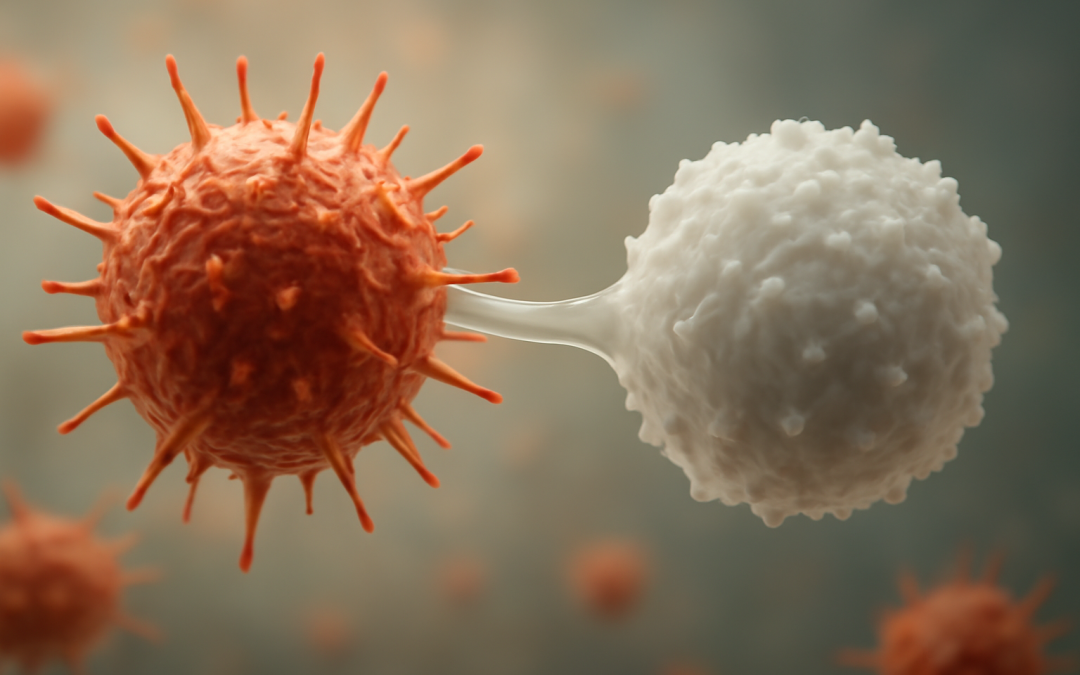
Every moment, our bodies are engaged in a complex, unseen battle to maintain health and stability. This perpetual effort is largely governed by an intricate network of cells, tissues, and organs dedicated to a singular mission: defending the body against harmful invaders. The immune system plays this vital role, acting as a sophisticated defense mechanism that identifies and neutralizes threats such as bacteria, viruses, parasites, and other pathogens. Understanding what the immune system actually does reveals not only its protective capacities but also its importance in maintaining overall well-being and homeostasis.
At the heart of the immune system’s function is its remarkable ability to distinguish between the body’s own cells and foreign agents. This discrimination is crucial because it allows immune cells to target harmful organisms without damaging the body’s tissues. Various components work in harmony to achieve this, including white blood cells such as lymphocytes—divided into B cells and T cells—which patrol the body, scanning for signs of infection or abnormality. When a threat is detected, these cells orchestrate a multi-faceted response, activating other immune components to contain and eliminate the invader.
The immune system operates on two fundamental levels: innate and adaptive immunity. Innate immunity serves as the first line of defense. It is a rapid, nonspecific response designed to identify and attack common pathogens immediately upon invasion. Physical barriers like the skin and mucous membranes, along with cellular defenders such as macrophages and neutrophils, characterize this frontline response. These innate immune cells recognize general features of pathogens through pattern recognition receptors, allowing them to respond quickly to a broad range of threats without prior exposure.
Adaptive immunity, by contrast, is slower but far more precise. It tailors the immune response to specific pathogens by recognizing unique molecular markers known as antigens. This tailored approach is carried out primarily by B and T lymphocytes, which have the ability to remember previous invaders after an initial encounter. This memory function not only helps in mounting a rapid and strong response during subsequent infections but forms the basis for immunological memory, which vaccination strategies rely upon. Adaptive immunity thereby provides long-lasting protection and can distinguish even subtle differences between pathogens.
Beyond combating infectious agents, the immune system also plays a critical role in surveillance and maintaining internal order. It continually monitors the body for abnormal cells, including those that could develop into cancer. Specialized immune cells such as natural killer (NK) cells detect and destroy these potentially dangerous cells before they can proliferate uncontrollably. This process is an essential part of preventing diseases, highlighting the immune system’s importance in not just fighting external threats but also preserving the integrity of the body from within.
The immune system’s activity is far from static. It constantly adjusts according to signals from the body and environmental cues, balancing between activating defenses and preventing overreaction that can cause damage. This regulation is vital because an overactive immune response can lead to autoimmune disorders, where the body mistakenly attacks its own tissues. Conditions such as rheumatoid arthritis, lupus, and multiple sclerosis arise from such misdirected immune activity, demonstrating the delicate nature of immune system functions and the need for precise control mechanisms.
Moreover, the immune system contributes to the healing process during injury and inflammation. When tissues are damaged, immune cells rush to the site to remove dead cells, fight infection, and release signaling molecules called cytokines that guide the repair process. Inflammation, a component of the immune response, serves both protective and reparative functions, though chronic inflammation can lead to tissue damage and illness. This underscores how the immune system’s responses are multifaceted, encompassing defense, healing, and regulation within the broader physiological context.
Nutrition, stress, sleep, and lifestyle choices profoundly influence immune function. Essential nutrients, such as vitamins C, D, and zinc, support the development and efficiency of immune cells. Chronic stress, on the other hand, suppresses immune responses by elevating cortisol levels, making the body more vulnerable to infections. Sleep is another critical factor; during deep sleep, the immune system releases proteins called cytokines that help fight infection and inflammation. These insights reinforce that the immune system’s optimal performance relies heavily on overall health and wellness.
As research advances, the understanding of immune system complexity continues to expand. Scientists are uncovering new components, such as the microbiome—trillions of beneficial microbes living in and on the body—that interact with immune cells to regulate responses. This dynamic relationship affects not only localized immunity in the gut or skin but also systemic immune functions. The growing recognition of this interplay opens new avenues for therapies targeting immune modulation through diet, probiotics, and lifestyle interventions.
Technological breakthroughs in immunology have also led to innovative treatments that harness the immune system, notably in cancer immunotherapy. Rather than relying solely on traditional methods like chemotherapy, these treatments empower the immune system to recognize and destroy tumor cells more effectively. Techniques such as checkpoint inhibitors and CAR-T cell therapy exemplify how manipulating immune responses can offer targeted, personalized approaches to combatting disease. This evolving field highlights the immune system’s power not only as a natural guardian but as a tool for advanced medical interventions.
Vaccination remains one of the most impactful applications related to the immune system’s capabilities. By exposing the immune system to harmless parts of pathogens or weakened forms of viruses, vaccines stimulate adaptive immunity, enabling the body to mount a swift response upon future exposure. This proactive defense has eradicated or controlled many once-devastating diseases and continues to be essential in managing global health challenges. The success of vaccines underscores the immune system’s capacity to learn, remember, and defend with remarkable specificity.
Despite its strengths, the immune system is not invincible. Factors such as aging can diminish immune responsiveness, a phenomenon known as immunosenescence. Older adults often experience a decline in the production and function of lymphocytes, making them more susceptible to infections and reducing the effectiveness of vaccines. Understanding these changes helps guide medical care and the development of strategies to support immune function in aging populations.
Infections caused by evolving pathogens also pose a constant challenge. Viruses and bacteria can mutate to escape detection or suppression by immune defenses, leading to persistent or recurring infections. This ongoing arms race between pathogens and the immune system drives continuous adaptation on both sides, influencing the development of new treatments and preventive measures. The immune system’s ability to adapt through mechanisms such as somatic hypermutation in B cells is critical for keeping pace in this biological contest.
Environmental factors also modulate immune system effectiveness. Exposure to pollutants, toxins, and allergens can trigger immune dysfunction or hypersensitivity reactions. Conversely, early life exposure to diverse microbes may prime the immune system for balanced responses, a concept known as the hygiene hypothesis. These observations highlight the interconnectedness of external conditions and immune health, suggesting that lifestyle and environmental stewardship are essential components of immune system support.
The immune system’s influence extends beyond infection control and disease prevention. It also interacts with other physiological systems, including the nervous and endocrine systems, forming an integrated network known as the neuroimmune axis. For example, immune signaling molecules can affect brain function and behavior, potentially contributing to mood disorders or influencing recovery from illness. This bidirectional communication illustrates how immunity is deeply entwined with overall body function.
Chronic diseases such as diabetes, cardiovascular disease, and obesity have been linked to immune dysfunction and persistent low-grade inflammation. This inflammation contributes to the progression of these conditions, indicating that the immune system plays a role not only in defense but in the development and maintenance of long-term health challenges. Addressing immune balance may therefore be a key strategy in managing and preventing these widespread diseases.
It is also important to note that immune responses vary significantly across individuals due to genetic factors, previous exposure histories, and existing health conditions. This variability explains why some people are more susceptible to infections or autoimmune diseases than others and why treatments need to be tailored for optimal effectiveness. The personalization of immunological care remains an exciting area of ongoing research and clinical practice.
The immune system also has unique aspects during different stages of life. In infancy, the immune system is still developing and relies partially on maternal antibodies transferred during pregnancy and through breastfeeding. This passive immunity provides crucial protection while the infant gradually builds its own adaptive immunity. Similarly, pregnancy introduces complex immunological adjustments to protect the developing fetus while guarding the mother’s health, demonstrating the immune system’s adaptability in various physiological contexts.
In summary, the immune system is an extraordinary biological network whose activities extend far beyond simply fighting infections. It acts as a guardian, healer, regulator, and communicator within the body, constantly adapting to internal and external challenges. Understanding its diverse roles fosters a deeper appreciation of health and disease and supports the pursuit of ways to maintain and enhance immune competence throughout life. Through continued research, medical innovation, and lifestyle awareness, the potential to harness and optimize the immune system remains a promising frontier in health and longevity.