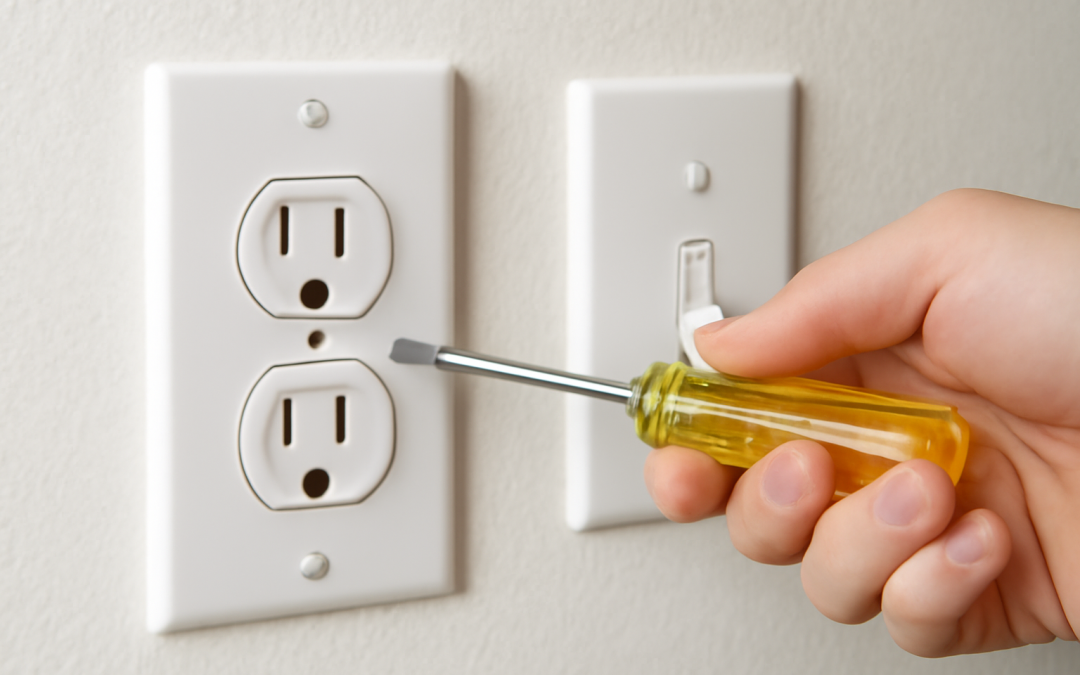
Proper maintenance of outlet covers and switch plates is essential for both the safety and aesthetics of any home or commercial space. These small but crucial components not only protect electrical wiring from dust, debris, and accidental contact but also contribute significantly to the overall appearance of walls and rooms. Over time, outlet covers and switch plates can become worn, damaged, or dirty, which can compromise electrical safety and diminish the look of a space. Understanding how to care for, maintain, and replace these items can help ensure that electrical systems remain safe and that interiors look polished and well-cared-for.
One of the primary reasons to maintain outlet covers and switch plates is to prevent electrical hazards. When these covers are cracked, loose, or missing, the risk of electrical shock increases, especially in households with children or pets. Additionally, damaged switch plates may cause sparks or short circuits if moisture or dirt finds a path into the electrical box. Regularly inspecting these protective covers for signs of damage or wear can be a simple yet effective safety practice. In many cases, the solution is straightforward: replacing an old or damaged cover plate with a new one that fits snugly and properly insulated can restore safety instantly.
Dirt and grime accumulate on outlet covers and switch plates over time, particularly in busy areas like kitchens, bathrooms, and hallways. This buildup can discolor the covers and plates or cause sticky residue that affects their operation. Cleaning these surfaces regularly is an easy way to maintain a neat appearance and prevent stubborn stains. Using a gentle cleaner or mild soap with water and a soft cloth typically suffices—avoid abrasive materials that could scratch plastic or metal finishes. It’s also important to ensure the cover is completely dry before allowing the switch or outlet to be used again, as moisture near electrical components can be hazardous.
In addition to safety and cleanliness, outlet covers and switch plates play a significant role in the overall décor of a room. With a wide array of styles, colors, and materials available, these seemingly minor details can complement or clash with a room’s design. Maintaining existing plates means not only cleaning but occasionally updating or upgrading to designs that better suit evolving aesthetics. For instance, coordinating switch plates with wall colors or selecting plates that blend seamlessly with baseboards or moldings can add to a cohesive and elegant appearance. Materials like brushed nickel, bronze, and glass offer more premium looks compared to basic plastic covers, although they may require different care routines to keep them looking their best.
Physical damage is a common issue that necessitates attention. Over time, outlet covers and switch plates may become cracked, chipped, or broken due to knocks, impacts, or regular wear and tear. Such damage doesn’t only detract from visual appeal but may also leave wiring vulnerable to exposure. In situations where covers are irreparably damaged, replacement is the safest and most effective solution. Fortunately, outlet covers and switch plates are generally inexpensive and widely available at home improvement stores and online. When replacing them, it is important to select plates that are compatible with the outlets and switches in place to ensure proper fit and function.
Switch plates and outlet covers require attention to installation and fasteners as well. Over time, the screws holding these components against the wall can loosen due to vibrations or settling of the building structure. Loose covers might rattle or shift, increasing wear and the risk of breakage. During maintenance checks, tightening screws can keep plates securely affixed. If screws become stripped or damaged, replacing them is recommended, as makeshift fixes such as overtightening can crack the cover. When installing new covers, it’s vital to ensure the screws are snug without forcing them, striking a balance that holds plates firmly without damage.
Another key aspect of maintenance is ensuring outlet covers and switch plates are compatible with the type of outlets or switches installed. Modern electrical components sometimes require specialized cover plates, such as those for GFCI outlets or rocker switches, which differ from traditional toggle switch plates. Using an incorrect plate can cause misalignment, improper protection, or damage during installation. When updating an outlet or switch as part of broader home improvements, replacing or adjusting the cover to match the new device is an important step. This ensures both safety compliance and a neat functional finish.
In humid or high-moisture environments like bathrooms and kitchens, extra care is needed to maintain outlet covers and switch plates. Moisture can lead to mold or mildew buildup on and around these components if not addressed. Additionally, water exposure can degrade materials such as plastic more rapidly, causing brittleness or discoloration. Using moisture-resistant covers made from materials designed for wet areas can greatly improve longevity. Routine cleaning and prompt drying after spills or splashes help reduce risks. Also, inspecting seals and gaskets where applicable can prevent water intrusion into the electrical box.
For older homes, historic or vintage outlet covers and switch plates may require special attention. These pieces can be part of a home’s character and design but may also pose maintenance challenges due to rarity or fragile materials. Restoring or replicating vintage covers requires patience and care to avoid damage. In some cases, collectors or design enthusiasts may seek to preserve original plates while ensuring electrical safety by installing modern covers behind them or in less visible areas. Professional advice can be valuable for maintaining these unique features while complying with current electrical codes.
Technological advances have introduced additional considerations for switch plate and outlet cover maintenance. Smart switches, USB outlets, and other integrated devices often feature proprietary mounting systems or require specialized covers for proper installation. Maintenance for these components sometimes involves firmware updates or system resets, alongside the careful care of physical plates. Ensuring covers remain clean and free from interference helps maintain the operation of smart devices. Additionally, as these technologies evolve, periodically verifying that covers and plates function correctly and fit appropriately is essential to avoid damage to the devices.
Environmental factors such as exposure to direct sunlight or temperature fluctuations can accelerate wear on outlet covers and switch plates, especially those made from plastic. Ultraviolet rays may cause plastic to yellow or become brittle over time, while extreme temperatures can warp or crack materials. For outdoor outlets or switches, weather-resistant covers specifically designed for exterior use greatly improve durability and safety. Indoor applications near windows or heat sources should consider covers made from UV-resistant or heat-tolerant materials to extend lifespan. Regular inspection in these areas helps catch early signs of damage before more serious issues develop.
Occasionally, homeowners may desire to customize or upgrade outlet covers and switch plates for aesthetic or functional reasons. This can include decorative plates with patterns, textures, or unique colors, as well as illuminated switch plates or covers with built-in nightlights for added convenience. While these options provide style and utility, they may require additional maintenance considerations such as special cleaning methods or periodic bulb replacements. Ensuring that customized covers meet necessary electrical standards and fit securely is paramount. Additionally, keeping spare parts or replacements on hand can streamline future maintenance.
Maintenance tasks for outlet covers and switch plates are generally straightforward and can be incorporated into routine home upkeep. Monthly or quarterly inspection allows for early detection of issues such as loosening screws, discoloration, or damage. Cleaning during regular dusting keeps surfaces looking fresh, while more thorough checks ahead of seasons with extreme weather can prevent moisture-related problems. For those managing multiple properties or commercial buildings, establishing a schedule for maintenance and replacements helps ensure safety compliance and consistent appearance across different spaces.
In some scenarios, professional assistance may be required for outlet cover and switch plate maintenance, particularly when dealing with electrical components or potential hazards. While changing a simple cover is often a DIY task, identifying wiring problems or upgrading electrical systems should involve licensed electricians. Professionals can ensure that covers are not only aesthetically appropriate but meet safety codes and that no underlying electrical faults exist. For older buildings with outdated or damaged wiring, integrating cover maintenance with electrical inspections can prevent accidents and costly repairs down the line.
The benefits of diligent outlet cover and switch plate maintenance extend beyond immediate electrical safety and aesthetics. Well-maintained electrical outlets and switches contribute to the overall value of a property by presenting a clean, cared-for environment. Prospective buyers or tenants often notice these small details as indicators of broader home maintenance practices. Moreover, preventing damage or malfunction through timely care can reduce the likelihood of emergency repairs, saving time and expense. Investing attention in these minor components supports a safer, more comfortable, and more inviting living or working space.
Ultimately, the key to effective outlet cover and switch plate maintenance lies in consistency and attention to detail. Taking the time to inspect, clean, tighten, and replace covers as needed can prolong their lifespan and enhance both safety and appearance. Whether upgrading to modern styles, preserving vintage charm, or simply keeping things neat, routine care is an achievable goal for any homeowner or building manager. To maximize safety and visual appeal, it is advisable to use quality materials appropriate for the environment and to address issues without delay. Through mindful maintenance, these often-overlooked elements can continue to protect electrical components and complement any space elegantly and reliably.