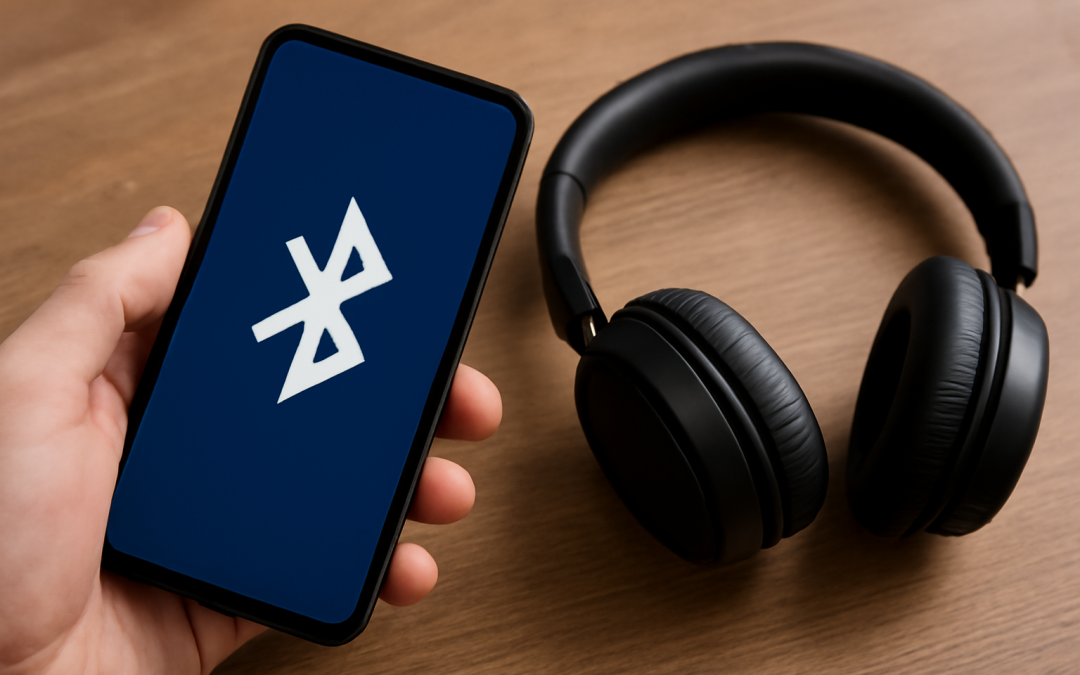
In today’s world of wireless connectivity, the ability to seamlessly link devices has become an essential part of everyday life. Many people take it for granted that their smartphone, headphones, speaker, or wearable technology can easily communicate with one another without cumbersome wires. This ease of interconnection is largely thanks to a fundamental technology known as Bluetooth. Understanding how Bluetooth pairing works not only demystifies this invisible process but also provides insights into how our devices establish secure and reliable connections in mere moments.
At its core, Bluetooth pairing is a protocol that allows two electronic devices to establish a trusted, wireless connection using radio waves. Unlike Wi-Fi, which connects devices over a local network, Bluetooth facilitates direct device-to-device communication over relatively short distances—typically up to 30 feet or about 10 meters—using a low-power frequency band around 2.4 GHz. While Bluetooth technology has evolved significantly since its debut in the late 1990s, the fundamental pairing process remains central to establishing a secure link between devices before data transfer or audio streaming can take place.
The process begins when two devices detect one another’s presence. This is referred to as device discovery or inquiry, where one device, commonly called the “master” or “calling device,” searches for nearby Bluetooth-enabled devices that are set to discoverable mode. The role of the second device is usually that of the “slave” or the device being connected to. During this phase, devices broadcast their unique identification information, including their Bluetooth addresses and device class, which indicate the type of device and its capabilities. The user may see a list of available devices pop up on their screen, allowing them to choose which device to pair with.
After selecting a device to connect, the two devices enter the pairing phase, which involves authentication and establishing trust. The purpose of this phase is to ensure that the connection is secure and that only authorized devices can communicate with each other. One of the most common methods of authentication during Bluetooth pairing is the use of a “passkey” or PIN code. This can be a simple numeric code that the user must enter on both devices or confirm if it appears as a prompt. In many modern devices, a process called “Just Works” pairing is also available, where no user input is needed, although this method is generally less secure because it does not verify the identity of the paired device rigorously.
The exchange of cryptographic keys during the pairing phase is what ultimately secures the connection. Bluetooth devices use a technique called link key generation to establish a shared secret key that encrypts communications between them. This key is generated based on factors such as the devices’ MAC addresses and the passkey entered during pairing. By encrypting the data transmitted over the wireless channel, Bluetooth provides protection against eavesdropping, ensuring that the information exchanged remains confidential and protected from potential attackers.
Another important aspect of Bluetooth pairing is the concept of bonding. Once two devices successfully pair and authenticate, they can create a bond, which is essentially a stored set of cryptographic keys and trusted profiles that allow subsequent reconnections to occur automatically and swiftly. For instance, after the initial pairing process, wireless headphones will reconnect to a smartphone without requiring the passkey to be entered again. This provides a seamless user experience while maintaining security by keeping the devices recognized and trusted over time.
The Bluetooth standard has undergone multiple iterations, each bringing improvements to the pairing process. Bluetooth 2.1 introduced Secure Simple Pairing (SSP), which enhanced security and usability by eliminating the need for complex passcodes in most cases. This version introduced different association models tailored to various device types, including Just Works, Numeric Comparison, Passkey Entry, and Out-of-Band (OOB) pairing. OOB allows devices to exchange pairing information using an alternative communication method, like NFC, adding an additional layer of security during the initial key exchange.
Later versions, including Bluetooth 4.0 and beyond, introduced Bluetooth Low Energy (BLE), enabling devices with minimal power consumption to participate in the Bluetooth ecosystem. BLE devices have a slightly different approach to pairing and security but still rely on a similar underlying principle of key exchange and authentication. Features such as Secure Connections, introduced in Bluetooth 4.2, use elliptic curve cryptography to offer robust protection against passive eavesdropping and active man-in-the-middle attacks, raising the overall security bar substantially.
While the benefits of Bluetooth pairing abound, there are also challenges that can arise during the process. One common issue is the requirement for devices to be in close proximity, as signal interference or distance beyond the typical range can cause connection attempts to fail. Additionally, some devices might not enter the right discoverable mode, or users may struggle with incorrect passkeys or PIN codes, particularly when devices rely on manual entry. Manufacturers aim to simplify this by creating intuitive user interfaces and supporting automatic connections where appropriate, but users sometimes need to troubleshoot or reset connection settings.
Security remains a paramount concern in Bluetooth pairing. Because Bluetooth operates over an open wireless medium, it can be vulnerable to attacks if certain precautions are not taken. For instance, attackers may attempt to perform “bluejacking,” where unsolicited messages are sent to nearby devices, or “bluesnarfing,” which involves unauthorized access to data stored on a Bluetooth-enabled device. These attacks exploit weaknesses in older devices or older Bluetooth versions that lack updated security measures. This risk reinforces the importance of keeping devices’ firmware up to date and being cautious about accepting pairing requests from unknown sources.
In addition to traditional use cases like connecting headphones or keyboards to smartphones and computers, Bluetooth pairing has expanded into areas such as the Internet of Things (IoT). Smart home devices, wearable fitness trackers, medical monitoring gadgets, and even automotive systems rely heavily on Bluetooth connections for real-time data transmission and control. In these applications, pairing becomes a critical step in ensuring devices operate harmoniously within an ecosystem, providing users with convenience and interoperability across multiple devices and brands.
The user experience during Bluetooth pairing has become increasingly streamlined thanks to ongoing innovations. Modern smartphones and computers often automatically detect compatible devices and prompt users with easy-to-follow instructions or even bypass manual inputs through techniques like Near Field Communication (NFC) tap-to-pair, QR code scanning, or voice prompts. These advances make it effortless for even non-technical users to create secure connections quickly, thereby enhancing the overall appeal and usability of Bluetooth-enabled products.
In summary, the process of Bluetooth pairing is a carefully designed dance between devices to establish a secure and trusted communication channel over short distances. It involves discovery, authentication, encryption, and bonding steps that ensure usability without compromising security. As technology advances, Bluetooth pairing will continue to evolve, focusing on enhanced security, reduced power consumption, and improved convenience. Whether it’s connecting your earbuds to your phone or syncing multiple smart gadgets in your home, the underlying mechanics of how Bluetooth pairing works remain a fascinating blend of wireless communication principles, cryptography, and user-friendly design. This intricate interplay ensures the wireless connections we rely on remain seamless, safe, and instant.