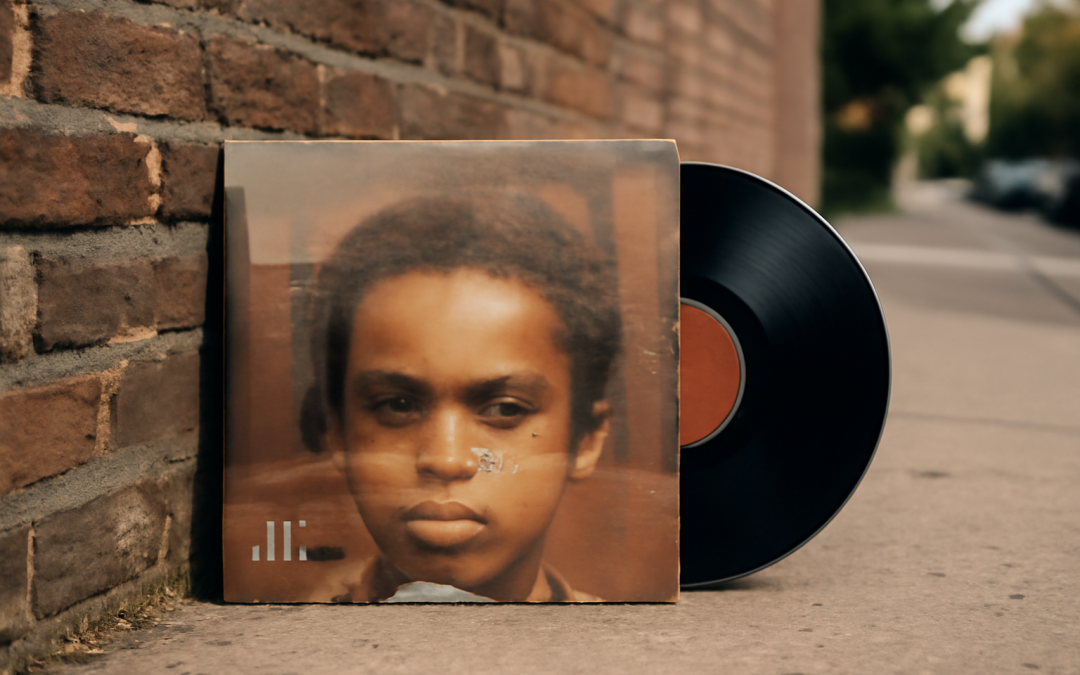
Few albums in the history of hip-hop have managed to capture the raw essence of urban life with the precision and lyrical craftsmanship that this record delivers. Emerging at a time when the genre was transitioning from its playful beginnings to a more introspective and socially aware form, it stood as a beacon of authenticity and artistry. The album is hailed not only for its introspective storytelling but also for its intricate wordplay and unmatched flow, forging a timeless blueprint for hip-hop lyricism. It transcended the boundaries of traditional rap records, positioning itself as a work of street poetry that elevated the culture.
The artist behind this masterpiece was only a teenager when the album dropped, yet his seasoned delivery reflects a depth of experience far beyond his years. His voice is both confessional and confrontational, weaving tales of hope, struggle, and survival within the concrete jungle of New York City. Each verse reads like a vivid snapshot of life in Queensbridge, offering listeners an unfiltered look at day-to-day realities marked by hardship and resilience. The intimate and detailed portrayal of his environment breaks down complex emotions and societal issues into relatable narratives, making his story universal despite its specificity.
Production-wise, the album is a marvel. The beats, crafted by some of the finest producers of the era, are deceptively minimalistic, providing just the right amount of space for the lyrics to shine. Sampling jazz and soul records, the soundscape combines gritty drums with smooth melodic loops, creating a mood both nostalgic and urgent. The sonic backdrop perfectly complements the artist’s voice, underscoring his reflective mood while driving the rhythm forward. The production style was innovative yet respectful of hip-hop’s roots, avoiding overproduction to maintain a raw and organic feel that has aged gracefully.
The opening track sets a profound tone with its iconic intro and introspective lyrics, immediately pulling the listener into the world the artist inhabits. It serves as both a thematic overture and a statement of intent, showcasing the lyrical prowess and confidence that define the entire project. As the album progresses, each track unfurls another layer of the artist’s psyche, from childhood memories to the harsh realities of adulthood. This conceptual cohesion creates a cinematic experience, guiding listeners through a sonic journey marked by emotional highs and lows.
The lyrical content is packed with literary devices rarely seen in the genre at that time. Metaphors, alliteration, internal rhymes, and multisyllabic structures pepper the verses, demonstrating the artist’s mastery over language. Beyond technical skill, there’s an undeniable emotional weight in his writing that connects deeply with the audience. He doesn’t simply tell stories; he paints vivid pictures and stirs empathy through his words. His commitment to authenticity avoided glamorizing the struggle, instead focusing on introspection and the desire for personal growth amid adversity.
One of the most compelling aspects of the album is how it captures the contradictions of young life in an environment rife with danger and limited options. The artist simultaneously reflects street wisdom and vulnerability, ambition and frustration, strength and doubt. This complexity breathes reality into the record and allows it to resonate across different generations. His narratives challenge prevailing stereotypes about urban youth, revealing nuanced human experiences behind the headlines. In doing so, the album helped usher in a new era of conscious rap, expanding the thematic possibilities for the entire genre.
The impact of this album on hip-hop culture cannot be overstated. Its release marked a pivotal moment that inspired countless artists to elevate their lyrical content and embrace introspection. The meticulous attention to detail in both the writing and production raised the bar for what an album could be, influencing the sound and style of East Coast rap and beyond. Many subsequent acts cite this record as a cornerstone of their artistic development, a testament to its enduring influence. It set a precedent for narrative complexity and authenticity in a medium that was still exploring its artistic boundaries.
Notably, the album’s reception was one of immediate critical acclaim paired with a lasting popularity that saw it grow in stature over the years. While commercial success wasn’t instantaneous, the record’s reputation only increased as its themes remained relevant and its lyrical content discovered by new listeners. Critics praised the balance of poetic insight and street wisdom, noting how it neither compromised artistic integrity nor popular appeal. The ongoing discussion around the album’s place in music history often highlights it as the quintessential example of hip-hop’s potential as a literary art form.
The collaborative efforts behind the album also contributed significantly to its perfection. Producers brought unique sensibilities to each track, ensuring diversity within a cohesive framework. The mixing and mastering preserved the clarity of the artist’s voice and the warmth of the samples, lending a timeless quality to the sound. Guest appearances, though minimal, enhanced the album’s texture without detracting from the central narrative. Every element was meticulously curated, reflecting a shared vision of creating something both deeply personal and universally relatable.
Aside from the technical and artistic excellence, the album serves as a powerful cultural document. It captures a specific time and place with unmatched accuracy, providing a historical lens into the socioeconomic challenges of inner-city youth in the early ’90s. Through its vivid storytelling, it humanizes communities often marginalized in mainstream media, highlighting issues such as poverty, violence, and systemic neglect. At the same time, it offers hope and self-determination as underlying currents, emphasizing the transformative power of language and art. The record remains a source of inspiration for individuals striving to overcome adversity.
Listening to the album today, its relevance is undiminished. Its themes of resilience, identity, and social commentary continue to resonate in a world where many of the challenges depicted persist. Moreover, the artist’s lyrical inventiveness and flow remain benchmarks for aspiring rappers. The record’s timeless appeal lies in its ability to bridge generations and cultural divides, speaking to anyone seeking truth and depth in music. It also remains a reminder of the artistry and potential within hip-hop, countering outdated notions that dismiss it as a passing trend or mere entertainment.
What truly sets this album apart is the symbiotic relationship between the artist’s words and the beats. The production never overwhelms the narrative but instead accentuates its emotional intensity. The album moves fluidly from hard-hitting street anthems to reflective ballads, maintaining coherence through consistent mood and message. This dynamic range showcases the artist’s versatility and the meticulous craftsmanship behind the scenes. It’s a rare example of an album where every track contributes meaningfully to a greater whole, creating a powerful and immersive listening experience.
Beyond its artistic merits, the record exemplifies the spirit of innovation and self-expression foundational to hip-hop’s growth. It embodies a commitment to truth-telling and personal voice, qualities that have endeared it to fans and scholars alike. The artist’s refusal to conform to commercial expectations without sacrificing accessibility set an important precedent. It proved that deeply personal and socially conscious content could coexist with mass appeal, paving the way for future artists to explore similar paths. This balance between individuality and universality remains central to the album’s legacy.
The storytelling throughout the album is multi-dimensional, oscillating between moments of vivid description and introspective analysis. The artist frequently employs imagery that evokes sensory experiences—a sound, a smell, a visual scene—immersing the listener in the moment. These poetic elements elevate raw reality into art, allowing for both emotional engagement and intellectual appreciation. His narratives do not shy away from darkness, yet they are permeated with an enduring sense of humanity. This tension between harsh truth and hopeful aspiration enriches the album’s impact and memorability.
The intricate rhyme schemes and rhythmic patterns exemplify a level of technical skill that demands repeated listens to fully appreciate. The artist’s flow is fluid yet precise, navigating complex rhythms with apparent ease. His ability to inject meaning into every syllable transforms what could be simple cadence into profound expression. Such mastery challenges other rappers of the time to expand their own lyrical ambitions, marking a significant evolution in the craft. The album, in this sense, stands as a pedagogical tool for understanding the potential of MCing as a sophisticated art form.
In examining the sociopolitical context surrounding the album, it arrives during a period marked by economic hardship, urban decay, and rising awareness of systemic inequalities. The artist’s portrayal of life in Queensbridge projects these realities without preachiness, allowing the narrative to emerge organically. He offers a microcosmic view that reflects larger societal dynamics, making his personal account a universal critique. This duality enhances the album’s significance as both a document of its time and a timeless commentary on social issues. It contributes to the ongoing dialogue within hip-hop about activism, representation, and empowerment.
A key strength of the record lies in its emotional authenticity. The artist does not present himself as infallible but rather exposes vulnerabilities, doubts, and contradictions. This honesty resonates deeply with listeners who find reflections of their own struggles within his verses. The album’s emotional complexity broadens its appeal, allowing it to transcend ethnographic boundaries and speak to human experiences at large. By balancing braggadocio with humility, and anger with hope, the record charts a nuanced emotional landscape rarely matched in popular music.
The cultural ripples caused by this album continue to influence not only hip-hop but also broader artistic expression. It has inspired poets, filmmakers, and visual artists who see in its narrative and aesthetic a touchstone for representing urban realities authentically. Its songs have been sampled, referenced, and celebrated in a variety of creative fields. Moreover, academic studies often cite the album as a seminal text in understanding the relationship between music and social identity. Its enduring presence in popular culture attests to the depth of its contribution beyond mere entertainment.
Critically, the album has consistently ranked among the greatest hip-hop records of all time, a testament to its comprehensive excellence. Its balance of lyrical virtuosity, thematic depth, and innovative production creates a holistic artistic achievement. It redefined expectations and standards within the genre while remaining accessible to a broad audience. Listeners new and old find fresh insights upon revisiting it, demonstrating its layered complexity and enduring relevance. This combination of innovation and timeless appeal secures its place as a cornerstone of hip-hop history.
Equally significant is the album’s role in shaping the narrative possibilities of hip-hop storytelling. It opened the door for future artists to tackle complex characters, intricate plots, and sociocultural critique within a single project. The album’s success proved that rap could be more than party music or braggadocio; it could serve as a powerful vehicle for artistic expression and social commentary. Several subsequent albums in the genre have drawn inspiration from its thematic approach, continuing its legacy of narrative innovation. This transformation has broadened hip-hop’s scope as an art form.
In terms of influence on fashion and street culture, the album also played a formative role. The artist’s aesthetic and lyrical references helped popularize certain styles and gestures linked to urban identity. These cultural markers reinforced the album’s authenticity and connected it with a wider community beyond music fans. They contributed to the globalization of hip-hop culture, influencing youth cultures across continents. Such cultural cross-pollination reflects the album’s unique position at the intersection of artistic expression and social movement.
The production techniques on the record deserve particular attention for their creativity and technical precision. The use of layered samples and breakbeats embodies a reverence for musical tradition while pushing boundaries within hip-hop production. Each beat serves not just as a rhythmic foundation but as an additional narrative voice, complementing and enhancing the lyrical content. The producers employed a variety of techniques to create mood shifts that mirror the artist’s emotional journey. This approach ensured that the album maintained listener engagement through subtle and dynamic soundscapes.
The contrast between hardness and vulnerability is another defining feature of the record. The artist’s delivery switches effortlessly from aggressive, assertive flows to reflective, tender moments. This range adds a human dimension often missing in less nuanced works. It shows a subject grappling with his environment and inner demons, rather than merely reacting to them. The album as a whole feels less like a collection of songs and more like an immersive biography, rich with character development and thematic continuity. This narrative depth elevates its artistic standing.
The album’s legacy can also be seen in how it shaped the expectations of hip-hop’s lyrical standards. Post-release, there was a noticeable shift in the genre’s emphasis toward lyricism and narrative coherence. Rappers aspiring to respect the craft often looked to this record as the gold standard. This influence extended to various subgenres within hip-hop, reinforcing the importance of storytelling and technical skill. As a result, the album is frequently cited as a source of inspiration in workshops, documentaries, and retrospectives related to hip-hop culture.
Even years after its initial release, the record continues to spark debate and analysis among critics, fans, and scholars. Discussions often focus on its artistic achievements, social implications, and cultural significance. This ongoing engagement highlights the album’s complexity and richness, inviting multiple interpretations. It serves as a reminder of hip-hop’s potential to be both a form of entertainment and a profound cultural commentary. The album’s ability to inspire dialogue ensures its place as an enduring cultural artifact.
Ultimately, this album is a testament to the power of music as a storytelling medium that can evoke empathy, inspire change, and document history. It captures the voice of a generation grappling with its place in society and the universal quest for identity and meaning. Its combination of poetic brilliance and heartfelt candor offers an experience that transcends time and genre. For anyone seeking a profound and authentic exploration of urban life filtered through masterful lyricism and production, this record remains unparalleled. It stands as a monument to hip-hop’s artistic potential and the enduring strength of the human spirit.