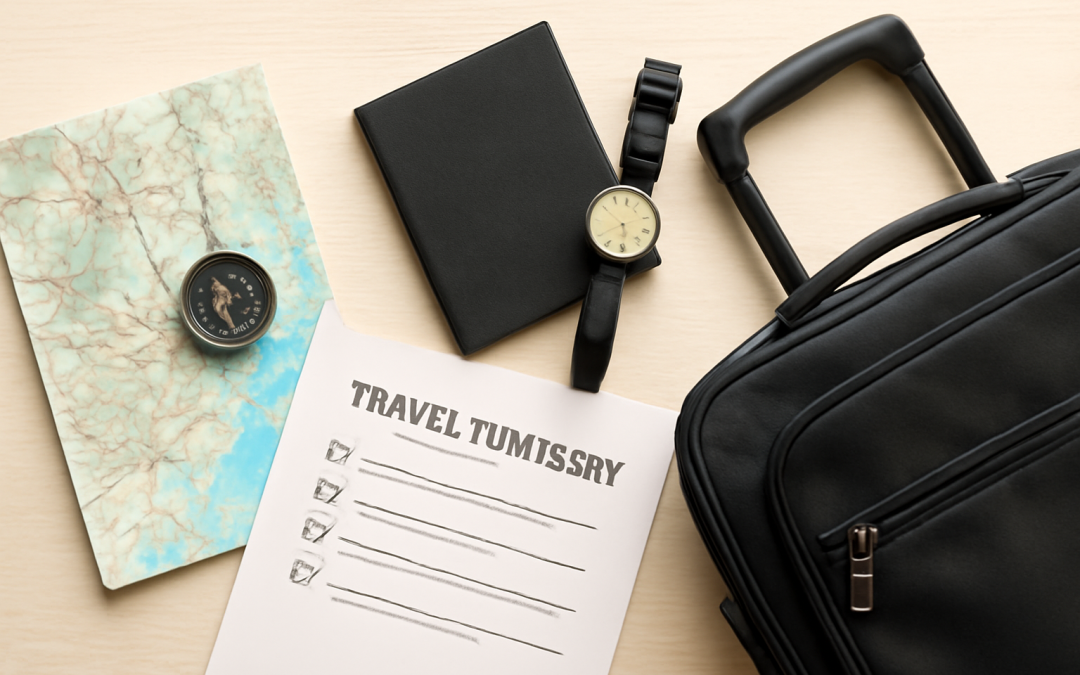
Travel days often evoke a sense of excitement mixed with apprehension, as countless variables can turn a smooth journey into a frustrating ordeal. Whether heading for a weekend getaway or an international adventure, careful planning and strategic preparation can transform the travel experience from chaotic to seamless. It involves more than simply booking tickets and packing bags; creating a travel day that runs smoothly requires foresight, organization, and flexibility. By anticipating potential challenges and implementing smart habits, travelers can reduce stress, save time, and enjoy the journey from start to finish.
The foundation of a trouble-free travel day begins well before departure. One of the most important steps is meticulous planning, starting with clear understanding of logistical details. This involves confirming transportation times, arranging airport transfers or parking, and familiarizing oneself with security and check-in procedures. Knowing where and when to be at each stage prevents last-minute scrambles. For those flying, checking the airline’s rules on baggage and carry-ons significantly reduces surprises at the airport. Reviewing the itinerary and travel documents multiple times ensures nothing critical is overlooked. In addition, preparing digital copies of boarding passes, reservations, and identification can serve as handy backups in unexpected situations.
Equally vital is the art of packing efficiently. Overpacking or disorganized luggage tends to slow down the process and adds unnecessary stress. Selecting versatile clothing items and packing only essentials will lighten the load and make movement easier throughout the day. Utilizing packing cubes or compression bags helps keep belongings neat and accessible. Travelers should ensure that all liquids and gels comply with regulations to avoid delays at security checkpoints. Having a dedicated bag or pouch for important items such as passports, tickets, medications, and electronics helps prevent frantic searches. Furthermore, packing a few comfort items, like a neck pillow or an eye mask, can enhance wellbeing during long waits or flights.
Getting a good night’s sleep before travel day cannot be overstated. Fatigue often exacerbates tensions and reduces one’s capacity to handle unexpected situations calmly. Adequate rest lays the groundwork for alertness and energy, which are crucial for navigating crowded terminals and maintaining patience. Establishing a calming pre-trip routine, limiting screen time, and managing caffeine intake can all contribute to restorative sleep. Similarly, eating a nourishing meal in the hours leading up to travel provides sustained energy and wards off hunger-induced irritability. Staying hydrated is essential from the moment the journey begins, as airplane cabins and traveling conditions tend to dehydrate the body quickly.
On the actual travel day, timing is paramount. Leaving ample room for travel to the airport or station is better than cutting it close, as unforeseen factors such as traffic, parking delays, or long security lines are commonplace. Arriving early not only reduces anxiety but also provides opportunities for a relaxed start, allowing time to grab a coffee, read, or simply orient oneself. For journeys involving multiple connections or modes of transport, extra padding between steps can prevent cascading delays. Checking real-time updates on flights or public transport status through official apps or websites helps avoid surprises and allows for quick adjustments if needed.
Maintaining a calm and flexible mindset can be the difference between a smooth journey and a stressful ordeal. Travel plans rarely go exactly as expected, and adaptability is a traveler’s best asset. Accepting small inconveniences—delays, misplaced items, or changes in schedule—as part of the experience fosters resilience. Employing deep breathing techniques and mindfulness during moments of stress can preserve clarity and composure. Engaging positively with staff and fellow travelers often leads to assistance and camaraderie, turning potential roadblocks into minor quirks of the adventure. Flexibility may also involve embracing downtime productively, such as reading, catching up on emails, or planning arrival activities.
Technology plays an increasingly crucial role in streamlining the travel experience. Leveraging travel apps that provide up-to-date information on flights, gate changes, customs regulations, and local transportation can empower travelers to make informed decisions. Downloading entertainment or offline maps prior to departure ensures access even without an internet connection. Utilizing mobile payment options and digital boarding passes reduces the need for physical documents and cash, further easing movement through checkpoints. Many airports now offer automated check-in kiosks, biometric boarding, and streamlined baggage drop services, all designed to hasten processes and minimize wait times.
Health and safety considerations should also be integrated into the travel day strategy. Carrying basic medications, hand sanitizer, and face masks provides readiness for common ailments and hygienic needs. Travelers should be mindful of physical comfort by wearing layers appropriate for varying temperatures and selecting comfortable footwear to endure long walking distances. Stretching briefly during layovers or extended waits guards against stiffness and fatigue. Awareness of food allergies or dietary preferences, and carrying suitable snacks, ensures nourishment is not compromised when options are limited. Staying informed about local health advisories or travel restrictions enhances preparedness and peace of mind.
Social and communication preparations contribute significantly to a smooth travel day. Informing family or friends of travel plans and check-ins reduces anxiety on both ends and enlists support in case of emergencies. Sharing itinerary details along with contact information can facilitate coordination upon arrival or if changes occur. Keeping devices charged and having portable power banks on hand guarantees connectivity and access to essential information. Language barriers can be minimized by downloading translation apps or learning key phrases relevant to the destination. Clear communication with transportation providers, accommodation staff, and local guides fosters confidence and enhances interactions.
Another overlooked but impactful aspect is mental preparation and visualization. Mentally rehearsing the travel sequence can prepare travelers to face each stage with confidence and clarity. Reviewing common travel scenarios, such as passing through customs or managing delays, helps demystify processes and reduces anxiety. Visualization techniques involving calm breathing and positive outlooks condition the mind to react calmly under pressure. Building a list of personal travel reminders or creating checklists ensures that nothing important is forgotten amid the excitement. Such psychological readiness complements physical and logistical preparations, rounding out a comprehensive approach.
Environmental factors also deserve consideration when organizing a travel day. Checking weather forecasts for both departure and arrival cities allows appropriate dressing and packing of weather-specific gear. Planning to avoid peak travel times or public holidays can mitigate overcrowding and delays. Choosing particular modes of transportation or routes based on accessibility and convenience aligns with individual needs, such as traveling with children or persons with mobility limitations. Understanding local customs or regulations ahead of time prevents unintentional offenses and streamlines interaction. Thoughtful attention to these details contributes to a smoother, more enjoyable travel experience.
For travelers with specific needs or additional concerns, extra measures may be necessary to ensure ease. Those traveling with pets should research airline and destination requirements thoroughly, including vaccinations and documentation. Families with young children benefit from packing entertainment and comfort items for the little ones, alongside planning breaks and rest opportunities. Individuals with disabilities or medical conditions may require advance arrangements for assistance, wheelchair services, or special accommodations. Communicating these needs clearly with service providers well ahead of time avoids last-minute complications and ensures comfort. Customized planning tailored to specific circumstances strengthens the foundation for a stress-free travel day.
Finally, reflecting on past travel experiences can yield valuable lessons that improve future journeys. Analyzing what worked well and identifying pain points provide actionable insights. Adjustments such as modifying packing lists, changing departure times, or selecting different transportation options arise from this reflection. Reviewing feedback from fellow travelers or travel forums offers additional perspectives and tips. Continuous improvement in travel planning not only enhances efficiency but also builds confidence and enjoyment. With each trip, the ability to build a travel day that runs smoothly grows stronger, transforming travel from a necessity into a pleasure.
A seamless travel day is the result of deliberate preparation, thoughtful organization, and a positive mindset. By addressing logistical details ahead of time, packing wisely, maintaining good health, leveraging technology, and embracing flexibility, travelers empower themselves to move through their journey with ease. Attention to personal and environmental factors, combined with clear communication and mental readiness, further ensures smooth transitions at every step. Learning from previous experiences and adapting practices fosters ongoing improvement. Approaching travel as an opportunity rather than an obstacle invites calm and enjoyment, making every trip a rewarding adventure from the very first moment.