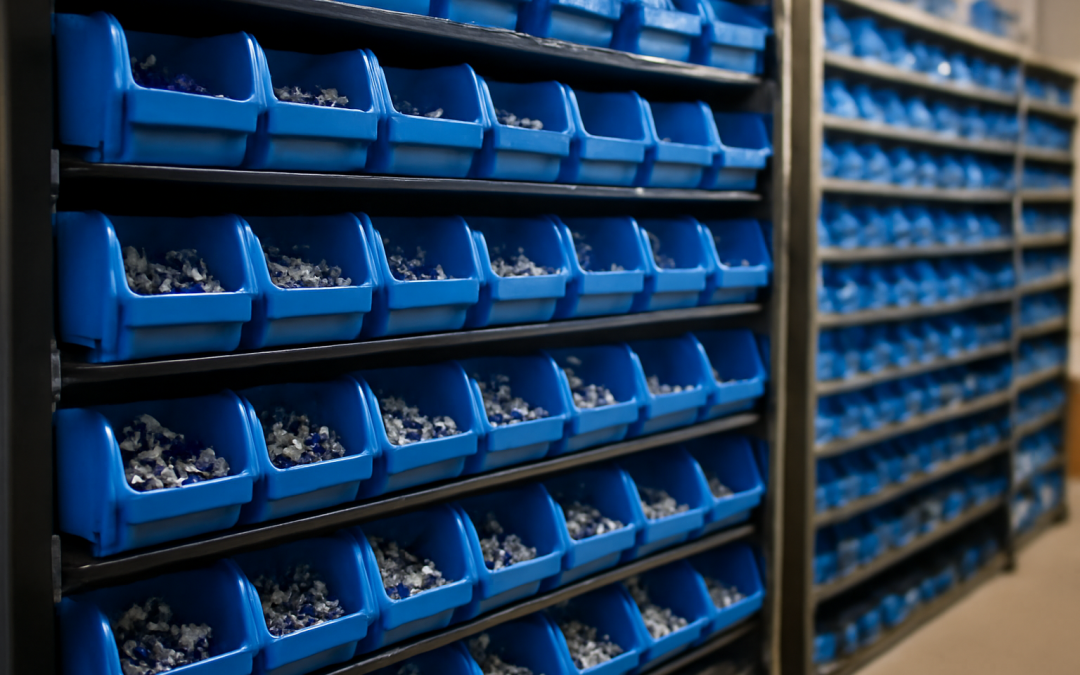
In any workspace where efficient assembly, maintenance, or repair activities occur, managing a vast array of fasteners can be a daunting challenge. The sheer variety of screws, bolts, nuts, washers, and other components, often differing in size, type, and material, demands an organized and systematic approach. Traditional storage methods, such as loose piles or unmarked containers, can result in wasted time searching for the right piece, leading to workflow interruptions and increased labor costs. The integration of advanced fastener storage systems offers a solution that fundamentally transforms the way these essential components are housed, categorized, and accessed.
Modern fastener storage systems are designed to accommodate the diverse needs of various industries, from manufacturing plants to automotive repair shops and construction sites. They focus on improving accessibility while minimizing the footprint of storage solutions. At the heart of these systems lies the principle of categorization using specialized compartments, trays, or bins labeled clearly with part names, sizes, and specifications. This level of organization not only facilitates rapid retrieval but also helps in inventory control by making it easier to detect when supplies are running low.
One of the key features of effective fastener storage systems is their modularity. Modular systems allow businesses to customize their storage layouts depending on their specific inventory, workplace dimensions, and workflow patterns. Mobile carts equipped with adjustable bins give technicians the ability to transport needed fasteners to various locations on demand, reducing the time spent walking back and forth. Shelving units with stackable bins further optimize vertical space, making storage more efficient without sacrificing accessibility.
The utilization of transparent containers within these storage systems greatly aids visual identification, saving time that would otherwise be spent opening multiple boxes to inspect contents. Coupled with clear labeling, transparent compartments allow workers to quickly scan shelves and pinpoint required fasteners. Furthermore, when combined with digital inventory tracking systems, these modern storage solutions can even offer real-time data about stock levels, helping to prevent production delays caused by missing hardware.
Another significant time-saving aspect of fastener storage systems is their integration with ergonomic design principles. Cabinets and drawers are engineered to minimize bending, stretching, or awkward movements that typically slow down manual tasks. For example, fastener organizers often feature pull-out drawers or tilt-out bins at waist level, enabling workers to access parts without strain. This attention to ergonomics decreases the likelihood of fatigue and injury, contributing to higher productivity and workplace safety.
Moreover, some storage systems incorporate sorting trays with individual slots tailored to specific fastener sizes or types. Such customization streamlines the picking process, particularly in environments where a wide variety of fasteners must be used within a short timeframe. By eliminating guesswork and reducing the chance of selecting incorrect parts, these systems help maintain consistent quality in assembly and repair work.
In highly technical industries where precise specifications matter, fastener storage solutions often include a cross-referencing system. These reference guides might be printed directly on cabinet doors or included as part of digital inventory software. They enable workers to quickly match fastener sizes with applicable equipment or projects, streamlining decision-making and reducing errors. This integration ensures that the right fastener is chosen swiftly, minimizing downtime and enhancing overall operational efficiency.
For organizations aiming to further optimize their fastener management, automated storage and retrieval systems (AS/RS) present an innovative leap forward. These systems use robotics and computer software to store and dispense fasteners with remarkable speed and accuracy. By automating the selection and delivery process, AS/RS systems drastically reduce human error and the time spent on manual sorting and handling. While the initial investment in such technology may be higher, the long-term savings in labor and improvement in turnaround times often justify the expense.
The benefits of investing in well-designed fastener storage systems extend beyond mere time savings. They also enhance inventory control by enabling precise tracking of parts usage, which leads to smarter purchasing decisions and reduced excess stock. Organized storage decreases the risk of lost or damaged fasteners, preserving material quality and maintaining the integrity of projects. Additionally, tidier workspaces foster a safer environment by eliminating clutter that could cause accidents.
Adaptability is another hallmark of top-tier fastener storage solutions. As projects, teams, and workflows evolve, the storage system should be able to grow and change accordingly. Many offerings on the market feature flexible designs that allow for the easy addition or removal of bins and compartments. This scalability ensures that storage remains efficient regardless of fluctuations in inventory size or fastener types, future-proofing investments made by businesses.
In practice, the implementation of optimized fastener storage systems often results in measurable improvements in operational metrics. For instance, reduced search times lead to shorter job completion cycles, while better inventory accuracy decreases incidents of out-of-stock fasteners interrupting production. In workplaces where rapid turnaround is crucial, such as automotive repair shops or assembly lines, these time savings translate directly into increased throughput and profitability.
Training and employee buy-in also play critical roles in maximizing the benefits of well-organized fastener storage. Even the most sophisticated system will fail to deliver time savings if workers do not consistently adhere to prescribed organization and retrieval protocols. Consequently, management should invest in thorough training sessions and foster a culture that values tidiness, accountability, and efficient parts handling. By empowering workers to appreciate the significance of these systems, companies can sustain clean and orderly storage spaces and continually reap associated productivity gains.
The environmental impact of fastener storage systems is an additional consideration that is gaining traction across industries. By promoting reusability, minimizing packaging waste through bulk storage, and reducing the frequency of fastener scrappage, these systems contribute to sustainable business practices. Efficient storage also reduces the need for emergency rush orders, which often involve expedited shipping and increased carbon footprints. Businesses aiming to align with green initiatives will find fastener storage systems valuable not only for operational gains but also for corporate responsibility.
In comparing different types of storage systems, it becomes apparent that no one size fits all. Small workshops might benefit the most from compact wall-mounted organizers or desktop bin racks, while larger operations could see greater returns from extensive shelving with integrated digital inventory management. Factors such as the volume of fasteners, the complexity of projects, and available workspace should guide the choice of system. Conducting an initial needs assessment helps in selecting the solution that maximizes time savings without overwhelming the existing infrastructure.
As technology continues to advance, the future of fastener storage is likely to incorporate greater integration with the Internet of Things (IoT) and artificial intelligence. Smart storage units equipped with sensors can monitor stock levels continuously and automatically reorder fasteners as needed. Such systems could even leverage machine learning to predict usage patterns and optimize inventory accordingly. This futuristic approach promises to elevate operational efficiency to unprecedented levels, making fastener acquisition and usage virtually seamless.
In conclusion, organized and thoughtfully designed fastener storage systems offer substantial time-saving benefits that impact numerous facets of a business’s operation. By enhancing accessibility, enabling accurate inventory control, improving ergonomics, and fostering scalability and adaptability, these systems reduce downtime and increase throughput. Whether through modular shelving, transparent containers, automated retrieval, or smart digital integration, investing in efficient storage solutions yields returns that extend beyond immediate convenience—bolstering productivity, cost-effectiveness, and workplace safety. The discipline of proper fastener management is no longer ancillary but a critical component in achieving streamlined and competitive operations across various industries.