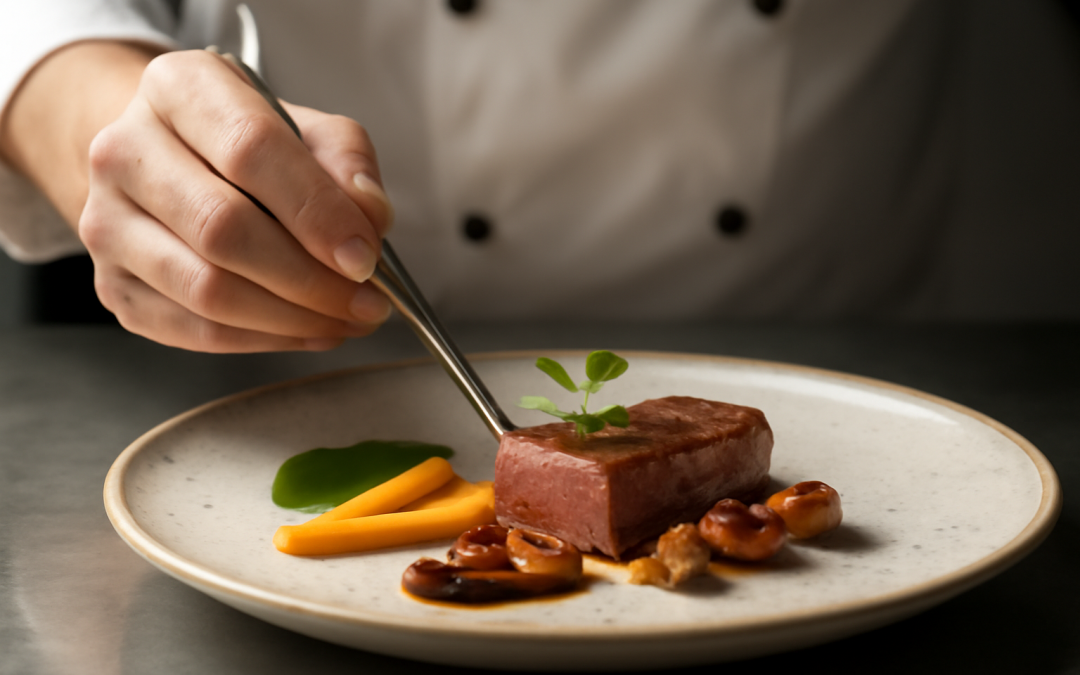
The way a dish is presented is often the first impression a diner receives, and it can significantly influence their anticipation and enjoyment of the meal. Plating as culinary art goes beyond merely arranging food on a plate; it is a thoughtful and deliberate practice that elevates the dining experience. This practice blends creativity, technique, and an understanding of colors, textures, and proportions to create a visually stunning masterpiece that appeals not only to the palate but also to the eyes. Much like a painter approaches a blank canvas, chefs use plating to tell a story that adds depth and dimension to their culinary creations.
Every element on a plate serves a purpose, from the positioning of proteins and accompaniments to the strategic use of garnishes and sauces. Plating as culinary art emphasizes balance — not only in flavors, but also in visual weight and symmetry. The arrangement can lead the diner’s eyes across the plate, inviting them to explore and interpret the dish before the first bite. Sometimes, the plate itself becomes part of the art, with its color, shape, and texture selected carefully to complement the food, enhancing the overall aesthetic. The choice of plate can frame the dish, making certain colors pop or softening the presentation to suit the mood of the meal.
Color theory plays a fundamental role in plating. Chefs must understand how to combine complementary hues or contrasts that make the dish vibrant and appetizing. The natural colors of ingredients provide a palette from which the chef composes. For example, the deep reds of roasted beets might be softened by a dollop of creamy white yogurt, while a bright green herb sauce can breathe life into neutral tones. At the same time, chefs must avoid overwhelming the diner with too many disparate shades, which can confuse the visual perception and distract from the intended harmony of the plate.
Texture is another vital consideration in the art of plating. Combining crisp, creamy, tender, and crunchy elements not only offers a satisfying mouthfeel but also creates visual intrigue. A sprinkle of toasted nuts or crunchy croutons can be scattered artfully to create contrast and break up monotony. Likewise, sauces can be swiped, dotted, or drizzled in patterns that add dynamic movement to the composition. These textural choices are carefully orchestrated to ensure each bite delivers layers of sensory pleasure, both tactilely and visually.
The concept of negative space is often underestimated in plating. Leaving parts of the plate intentionally empty can draw focus to the main ingredients and prevent overcrowding. Much like in fine art, negative space can provide balance and elegance, allowing the dish to breathe. Excessive filling of the plate tends to clutter the presentation and dilute the impact of each component. Skilled chefs manipulate space and portion size to cultivate an inviting simplicity that encourages diners to appreciate every detail.
In addition to individual creativity, plating as culinary art also embodies the culture and philosophy of the chef or establishment. Some cuisines favor minimalist presentations that highlight the purity of ingredients and subtle flavors, such as Japanese kaiseki or modern Nordic gastronomy. Others might embrace abundance and vibrancy, reflecting traditions of communal and celebratory feasting as seen in Middle Eastern or Indian cuisine. Understanding these cultural nuances enriches the way plating is approached, revealing stories and values embedded in the patterns and arrangements. Consequently, plating becomes a form of non-verbal storytelling that transcends language and connects diners to heritage and place.
The rise of social media and food photography has also heightened the importance of plating in modern dining. With the potential for dishes to be shared instantly and widely, chefs are often motivated to produce plates that are visually striking and Instagram-worthy. This trend has encouraged experimentation with unconventional plating techniques and exotic edible decorations. Yet, successful plating balances these visual innovations with maintaining the dish’s integrity and flavor, ensuring that the artistic elements do not overshadow the food itself.
Plating techniques often borrow from classical aesthetics, such as symmetry, the golden ratio, and the rule of thirds, lending a sense of order and sophistication. For example, rather than centering elements arbitrarily, chefs might place components off-center to generate interest and encourage dynamic viewing angles. The height and layering of ingredients introduce a three-dimensional quality that makes the plate visually richer. Verticality, achieved by stacking or piling, adds drama and can convey the chef’s attention to detail.
An essential tool in the plating process is timing. Food should be plated and served at the optimal moment to preserve the textures, temperatures, and visual appeal intended by the chef. A meticulously arranged dish loses its impact if sauces are smeared or components wilt before reaching the table. Thus, plating requires precision, speed, and coordination within the kitchen. The execution is as important as the concept behind it, and mastery of plating is a mark of professionalism and dedication.
Innovation plays a considerable role in evolving plating as culinary art. Modern chefs often challenge conventions by approaching plating with a multidisciplinary mindset, merging gastronomy with fine art, architecture, and even technology. Techniques like molecular gastronomy inspire novel textures and presentations, while edible flowers and microgreens add both color and a sense of freshness. Furthermore, sustainable plating practices encourage the use of local and seasonal produce, promoting environmental responsibility without compromising the beauty or taste of the dish.
Training and experience profoundly influence a chef’s plating skills. Aspiring culinary artists study classical methods alongside contemporary designs, gaining an appreciation for the balance between tradition and modernity. By practicing sketching plate designs or using food models, chefs refine their vision and problem-solving abilities during service. Feedback from diners and colleagues further informs improvements, highlighting how plating interacts with sensory perception and emotional response.
The psychological impact of plating should not be underestimated. Humans are naturally drawn to aesthetics, and beautifully plated food can trigger appetite, elevate mood, and prolong the dining pleasure. This psychological response connects directly to the presentation’s success, often defining a memorable meal. The artful arrangement signals care and respect for the ingredients and the guest, fostering a deeper connection and appreciation for the culinary craft.
Culinary competitions and fine dining have propelled plating into a celebrated art form, with some events focusing almost exclusively on the visual and conceptual strength of dishes. Chefs push boundaries by incorporating unexpected elements, playing with scale, or creating edible illusions that engage all senses. Such artistic endeavors create lasting impressions and sometimes inspire trends that permeate home cooking and casual eateries, democratizing the appreciation for plated food and transforming eating into an immersive experience.
Despite the focus on appearance, it remains crucial that plating never overshadows the food’s quality and taste. The best presentations enhance the dining experience while honoring the flavors and textures at the heart of the dish. When plating becomes purely decorative or overly complex, it risks alienating diners or distracting from the food’s essence. The true mastery lies in seamless integration, where aesthetics and flavor are in harmony, making each meal a multisensory pleasure.
Plating also fosters sustainability by encouraging mindful portioning and reducing food waste. Thoughtful design can deter over-serving and ensure balanced nutritional elements, which is increasingly important in contemporary dining. Chefs who consider the environmental impact of their plating choices demonstrate a holistic approach to culinary art, one that respects not only the diner but also the planet.
In the broader context of hospitality, plating reflects the ethos of service and excellence. A flawlessly plated dish conveys professionalism, attention to detail, and pride in one’s work. This care resonates with guests, significantly impacting their overall dining satisfaction and loyalty. It also sets a standard that influences the entire culinary team, inspiring continuous refinement and innovation.
Ultimately, plating as culinary art is a dynamic dialogue between chef and diner, culture and modernity, tradition and innovation. It is a medium through which culinary artisans communicate their vision, celebrate ingredients, and captivate audiences. As the food landscape continues to evolve, so too will the techniques and philosophies surrounding plating, ensuring that this delicate art form remains vital, inspiring, and endlessly fascinating.