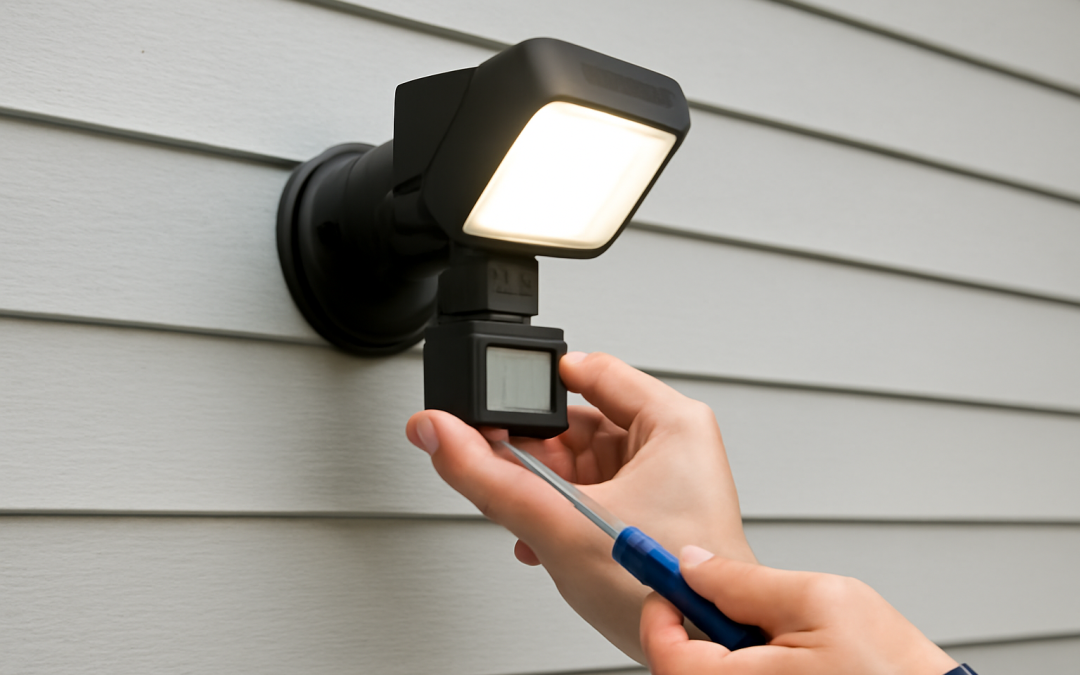
Ensuring outdoor and indoor spaces are well-lit and secure often relies on the effectiveness of motion sensor lights. These devices detect movement and automatically turn on, offering convenience, saving energy, and enhancing safety. However, a critical factor that often goes overlooked by homeowners and facility managers alike is the proper calibration of these sensors. Without accurate adjustment, motion sensor lights can become more of a nuisance than a benefit, either failing to activate when needed or turning on unnecessarily. This is where the precise art of motion sensor light calibration plays a vital role.
Motion sensor lights operate by detecting infrared radiation that emanates from warm objects, typically humans or animals, within their field of view. When a detectable motion event occurs, the sensor triggers the light to illuminate for a predetermined amount of time. Calibration involves fine-tuning several parameters including sensitivity, detection range, and timing duration, which together control the sensor’s responsiveness and operational accuracy. An ideal calibration ensures that the motion sensor light activates exactly when intended and remains off during irrelevant movements or environmental noise.
One of the first aspects to consider during calibration is sensitivity adjustment. Sensitivity dictates how reactive the sensor is to movement within its detection zone. If set too high, the motion sensor light may activate continually with minor or distant movements, such as leaves rustling, shadows passing, or small animals crossing the field. This not only wastes energy but can cause unnecessary wear and tear on the lighting mechanism. On the other hand, if the sensitivity is set too low, the sensor might fail to detect legitimate movement, rendering the device ineffective in its security or convenience roles. Achieving the right balance requires testing the sensor at different sensitivity levels, observing its behavior in various environmental conditions, and adjusting accordingly.
The orientation and physical installation location of the sensor significantly influence the effectiveness of the calibration process. Since motion sensors typically have a fixed detection angle and range, positioning the device in an area with optimal coverage ensures maximum functionality. For outdoor installations, this means placing the sensor where it can monitor common entryways, pathways, or driveways without obstructions such as trees or walls that block the signal. Indoors, sensors should be positioned to capture activity without being triggered by pets or HVAC airflow. Calibration in this phase includes verifying the sensor’s field of view and making orientation adjustments to restrict or extend the detection zone as needed.
Another crucial calibration step involves setting the correct time delay, which is the length of time the light remains illuminated after activation. If this delay is too short, the light may turn off prematurely, leaving an area in darkness while someone is still present. This can be particularly problematic in security applications or in spaces where continuous illumination is important for safety. Conversely, excessively long delays may lead to unnecessary energy consumption and faster depletion of lighting resources, especially if the light stays on long after movement has ceased. The ideal time delay balances energy conservation and utility so that the light stays on long enough to cover the presence of occupants but turns off soon after activity stops.
Operating voltage and light sensitivity calibration also play a role in refining sensor behavior. Some motion sensor lights feature adjustable thresholds that determine when the light activates concerning ambient light levels. For example, the light should ideally activate only during low-light or nighttime conditions to avoid wasting energy in daylight. Calibrating this threshold involves testing the sensor under different lighting environments and setting the parameters so the light triggers only when ambient lighting falls below a certain level. This prevents the light from activating unnecessarily during the day while ensuring optimal performance in darkness.
Environmental factors must not be ignored during the calibration process. Weather conditions such as rain, fog, wind, or extreme temperatures can impact sensor accuracy. For instance, heavy rain or fog may reduce the sensor’s detection ability by interfering with infrared signals, while strong winds might cause movement of foliage that leads to false activations. Calibration should include a period of observation across different weather conditions to fine-tune settings and ensure reliable performance year-round. In some cases, additional protective measures or sensor housings can be employed to mitigate environmental interference.
Maintaining the cleanliness and integrity of the sensor lens is another critical element in the calibration and overall performance of motion sensor lights. Dust, dirt, spider webs, or even excess moisture can impair the sensor’s ability to detect motion accurately. During calibration and routine maintenance, cleaning the lens and inspecting it for damage should be standard practice. Regular upkeep prevents false negatives or positives that could result from a compromised sensor surface and ensures the sensor operates at its designated sensitivity and range parameters.
Calibration also requires careful consideration of potential sources of false alarms. Motion sensor lights can sometimes be triggered by pets, vehicles, or shadows caused by passing clouds. To minimize these false triggers, the sensor sensitivity and detection zones should be adjusted appropriately. Some advanced sensors allow for multi-zone detection programming, enabling users to mask certain areas or customize specific response patterns. This level of fine-tuning helps tailor the sensor’s performance to the unique characteristics of the installation site, greatly reducing unwarranted activations.
Understanding the technical specifications and functionalities of different motion sensor technologies can assist in more effective calibration. Passive Infrared (PIR) sensors, microwave sensors, ultrasonic sensors, and dual-technology models all operate differently and thus require unique calibration approaches. PIR sensors detect heat changes and are most common, but they are susceptible to interference from heat sources and reflected signals. Microwave sensors emit microwaves and detect changes in the reflected waves caused by movement, generally allowing for longer range but are prone to interference by metal objects. Ultrasonic sensors use sound waves but can sometimes activate from inanimate movements like curtains swaying. Dual-technology sensors combine two methods, reducing false alarms but requiring more intricate calibration to harmonize the two detection modes.
When calibrating a motion sensor light, testing in real-life scenarios is essential. This includes simulating typical user activities such as walking along a pathway, approaching the door, or entering a room at various times of the day. Observations during these tests provide immediate feedback on whether the sensor settings meet expectations. Adjustments based on these tests are the most reliable way to optimize calibration for convenience and security. It’s important to repeat testing under various conditions, including different speeds of movement, multiple occupants, and changing environmental factors, to ensure robustness.
Additionally, it’s beneficial to document calibration settings and observations. This record helps in troubleshooting, future adjustments, or when replicating similar setups in new locations. Consistent documentation aids in identifying patterns such as recurring false activations during specific times or weather conditions, which can then inform more sophisticated calibration strategies, like time-based sensitivity settings or adaptive trigger thresholds.
Energy efficiency is a prime concern in the design and operation of motion sensor lighting systems. Proper calibration directly influences energy consumption by reducing unnecessary activations and optimizing lighting duration. In commercial or large residential applications, fine-tuning a fleet of motion sensor lights can result in significant cost savings and a reduced carbon footprint. Furthermore, energy efficiency aligns with broader sustainability goals, making calibration not just a technical necessity but an environmental responsibility.
Advances in smart technology have brought new capabilities to motion sensor lights, including integration with home automation systems and the Internet of Things (IoT). These systems often allow remote calibration and real-time adjustments via smartphone apps or centralized control panels. Such features enable users to monitor sensor performance continuously and tweak settings instantly in response to changing conditions or user requirements. Incorporating these advanced functions requires understanding the calibration fundamentals but can streamline maintenance and enhance overall system effectiveness.
Despite the technical nature of motion sensor light calibration, it is an accessible task for most property owners or maintenance personnel with guidance and patience. Manufacturer manuals often provide baseline calibration instructions tailored to the specific sensor model. However, a personalized calibration adjusted to the unique environmental and usage context will always yield better performance. Even professional installers must follow up with on-site calibration post-installation to ensure the sensor light meets the intended functional criteria.
Common calibration errors include setting sensitivity too high, neglecting to adjust time delays, improper sensor placement, and ignoring ambient light conditions. Addressing these errors early can prevent frustration and costly replacements. Regular review and recalibration may be necessary as environmental conditions or usage patterns change over time, ensuring continued optimal operation.
In conclusion, motion sensor lights are invaluable devices for enhancing security and convenience, but their full potential is realized only when carefully calibrated. Calibration is a multifaceted process that involves adjusting sensitivity, timing, detection zones, and ambient light thresholds, all while considering environmental influences and sensor technology types. This detailed fine-tuning maximizes sensor reliability, energy efficiency, and user satisfaction. Whether for home security, commercial safety, or energy conservation purposes, investing time and effort into precise calibration ensures that motion sensor lights perform exactly as expected, illuminating pathways and protecting properties with minimal waste and maximum effectiveness.