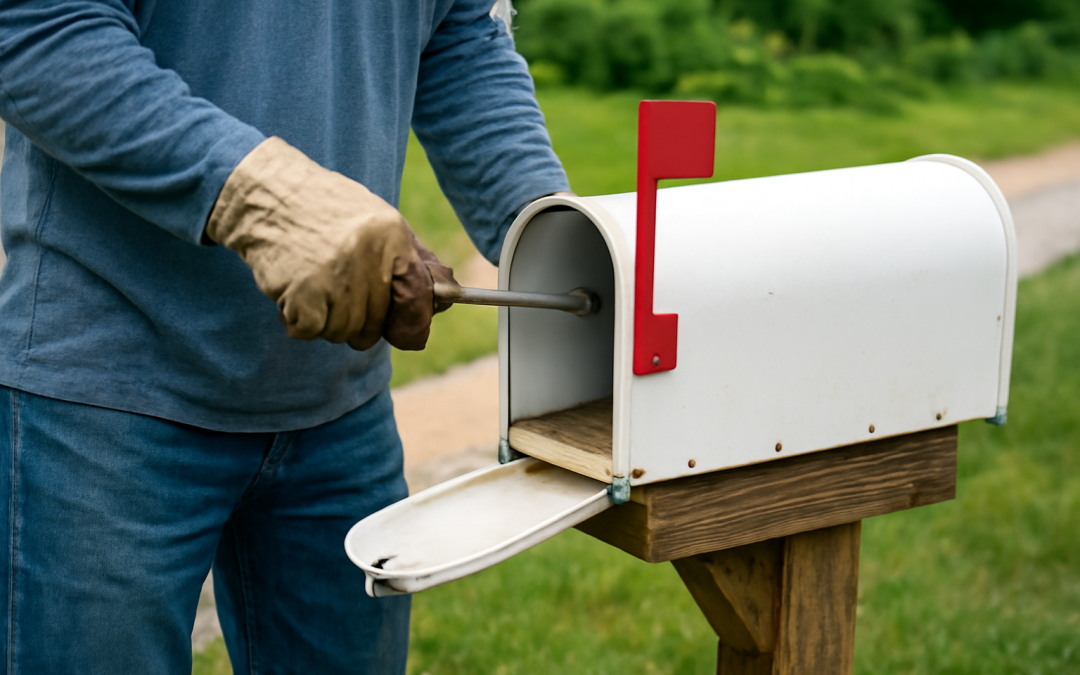
Whether you live in a busy urban neighborhood or a quiet rural area, the mailbox plays a crucial role in the daily routine. It serves as the primary point of contact for receiving letters, packages, bills, and other important correspondence. However, it is all too easy to overlook the care a mailbox needs to remain functional and secure. Regular attention to mailbox and post maintenance ensures that your mail is protected from damage and theft, prolongs the lifespan of the structure, and maintains the aesthetic appeal of your property.
Proper maintenance begins with understanding the various types of mailboxes and posts available. Traditional mailboxes are typically made from metal, plastic, or wood, each with its unique set of characteristics and maintenance requirements. Metal mailboxes, for instance, are durable but prone to rust if not properly cared for. Wooden mailboxes, although aesthetically pleasing, can suffer from rot, insect damage, and warping if exposed to the elements without adequate protection. Plastic mailboxes are generally low-maintenance but may crack or fade with prolonged sun exposure.
The post supporting the mailbox is just as important as the box itself. A sturdy post keeps the mailbox upright and securely in place, preventing damage from wind, accidental impacts, or heavy snow accumulation. Posts are commonly made from wood, metal, or composite materials, and each demands specific upkeep. Wooden posts, while traditional and attractive, need to be treated or painted to resist moisture and insect damage. Metal posts require inspection for rust or corrosion, and composite posts should be checked for structural integrity over time.
One of the most common problems affecting mailboxes and posts is weather-related wear. Exposure to rain, snow, and UV rays gradually deteriorates both the mailbox and its supporting structure. To combat this, routine inspections should be conducted, especially after harsh weather events. Look for signs of rust, chipped paint, cracks, or loose hardware. Addressing these issues early prevents minor damage from escalating into costly repairs or replacements.
Cleaning the mailbox is an essential but often neglected task. Dirt, bird droppings, spider webs, and leaves can accumulate inside and outside the mailbox. This not only detracts from the mailbox’s appearance but may also impede the smooth delivery of mail or damage its contents. Using mild soap and water to clean the mailbox and post, followed by thorough drying, helps maintain its appearance and hygiene. Avoid abrasive cleaners or tools that may scratch or damage the surface.
Paint is an effective way to protect and refresh a mailbox and post, but careful preparation is key. For metal mailboxes, sanding down any rust and applying rust-inhibiting primer before painting will extend their life. Wooden posts benefit from a fresh coat of exterior-grade paint or stain every few years to protect against moisture and UV damage. Choosing weather-resistant, high-quality paint designed for outdoor use ensures better durability and color retention.
Apart from general upkeep, security is a vital consideration in mailbox and post maintenance. Mail theft remains a significant concern, especially in certain neighborhoods. Installing a lockable mailbox or one with reinforced construction can deter criminals and safeguard your mail. Additionally, positioning the mailbox in a location visible from your home or street, along with adequate lighting, can reduce the risk of mail theft. If your mailbox does not offer lockable options, consider an adjacent secure compartment or mailbox with a secure drop slot.
The exact placement and height of the mailbox also influence its durability and accessibility. Postal regulations generally specify the height at which the mailbox should be installed and how far it should extend from the curb. Proper positioning allows postal workers to deliver mail without leaving their vehicles while reducing the chance of damage from passing cars or lawn maintenance equipment. Over time, soil erosion or ground shifting can cause the post to lean or tilt, so it’s important to check and realign the post as needed.
Winter months often bring additional challenges for mailbox and post maintenance. Snow accumulation and icy conditions can obscure the mailbox, making it difficult for mail carriers to locate and access. Heavy snowfall or plowing activities can also physically damage the post or mailbox if they are too close to the road edge. During colder months, clear snow away from the mailbox area regularly and consider installing protective guards or barriers to shield the mailbox from snowplows and snow blowers.
Repairs play a critical role in maintenance and should never be deferred. If the door hinges are loose or broken, if a post shows signs of splitting or rotting, or if the mailbox has dents or holes, prompt repairs will restore functionality and prevent further deterioration. For wooden posts showing rot, it may be necessary to replace the post entirely rather than patching, which is only a temporary fix. Metal mailboxes with severe rust should similarly be swapped out to prevent mail from falling through damaged areas.
In some cases, upgrading the mailbox and post may be the best option. New models often feature enhanced materials, better weather resistance, or improved security features. Modern mailboxes come in various designs and colors, allowing homeowners to select options that better match their home’s exterior or personal style. When installing a new mailbox, ensure it complies with local postal regulations and is positioned for both convenience and safety.
For those living in more rural or remote locations, mailbox and post maintenance takes on additional significance. Mail carriers may cover great distances and may not stop immediately if the mailbox is difficult to access or damaged. A mailbox in poor condition in these areas could result in missed deliveries or returned mail. In rural areas where wildlife or livestock might encounter the mailbox, sturdier posts and protective enclosures may be necessary to prevent damage.
Continuity in mailbox care also links to the overall curb appeal of a home. A well-maintained mailbox and post enhance the neatness and presentation of the residence, contributing positively to neighborhood aesthetics and potentially increasing property value. Overgrown vegetation around the mailbox can obstruct postal workers’ access, so trimming shrubs or grass regularly is also an aspect of maintenance.
Seasonal inspections are highly recommended to catch emerging issues and plan for any necessary care. Spring is an ideal time to examine damage from winter weather and carry out repainting or sealing. Summer heat and intense sun may require monitoring for fading or warping. Autumn provides an opportunity to clear away fallen leaves and make adjustments before the cold months arrive. Observing and documenting the condition of your mailbox periodically helps establish a maintenance schedule suited to your specific situation.
Finally, any repairs or installations should be done using quality tools and materials. Utilizing galvanized screws, stainless steel hardware, and weather-resistant coatings will enhance the longevity of your mailbox and post. Improper or rushed maintenance often results in recurring problems or more significant expenses down the line. If unsure about certain repair tasks, consulting a professional or your local postal service can offer guidance. Postal services sometimes provide recommendations or specifications about mailbox maintenance to ensure the smooth delivery of mail.
Taking the time to maintain your mailbox and post might seem minor compared to other home upkeep tasks, yet its importance cannot be overstated. Proper care prevents damage, enhances security, meets postal requirements, and ensures that each piece of mail arrives safely and on time. Whether cleaning, painting, repairing, or replacing parts, consistent attention keeps your mailbox in top condition and protects a vital link to communication, commerce, and daily life.