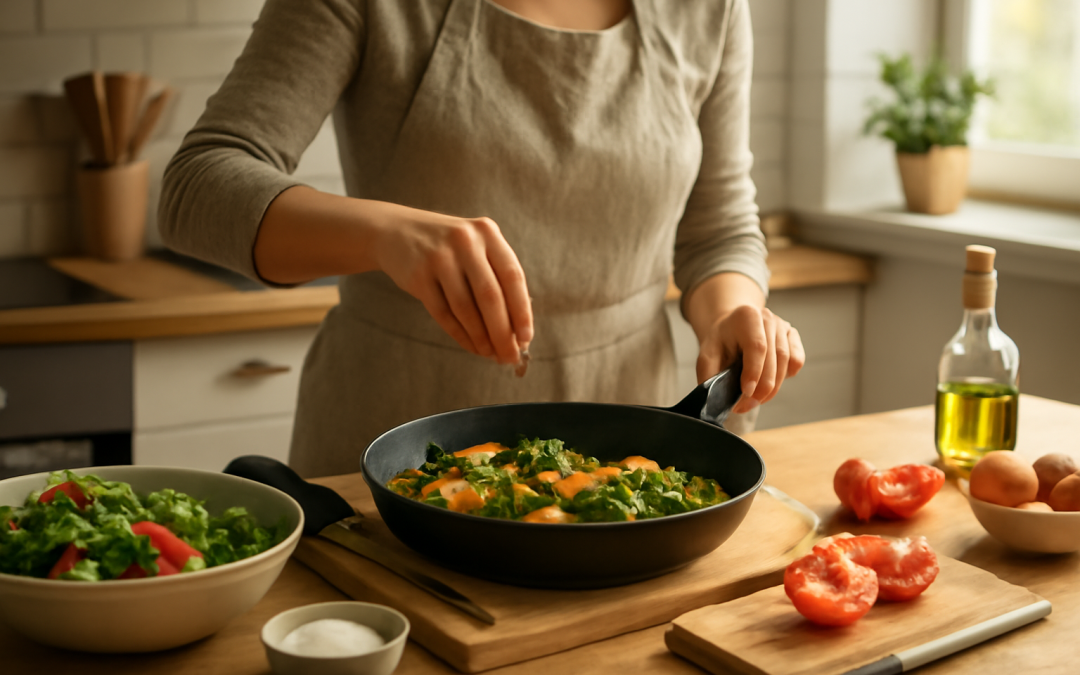
In recent years, there has been a marked resurgence in home cooking, reflecting a broader cultural shift toward valuing self-sufficiency, health, and creativity in the kitchen. More than just a means of sustenance, cooking at home has re-emerged as a deeply satisfying and purposeful practice, allowing individuals and families to reconnect with food, traditions, and each other. This revival has been fueled by a combination of factors, including increasing awareness of nutrition, the economic benefits of preparing meals at home, and a desire for personalized culinary experiences that restaurant dining often cannot provide.
One driving force behind this renaissance is the growing awareness of health and wellness. As processed foods and fast meals have come under scrutiny for their hidden ingredients and detrimental effects, many have turned back to fresh, whole ingredients and homemade recipes. Cooking from scratch makes it easier to control what goes into meals, enabling people to avoid excessive sugars, unhealthy fats, and preservatives. This control translates into more balanced diets, reduced risk of chronic illnesses, and an opportunity to explore diverse, nutrient-rich ingredients in creative ways.
Economic considerations have also played a significant role in the home cooking revival. With rising living costs and fluctuating financial stability across the globe, many families have looked toward cooking at home as not only a healthier option but a more budget-friendly one. Restaurant meals and takeout can quickly add up, while planning meals, buying ingredients in bulk, and making use of leftovers can significantly stretch a household’s food budget. Beyond the immediate cost savings, cooking skills are an investment that pays dividends over a lifetime—skillful cooks find they can create satisfying dishes with whatever they have on hand, reducing food waste and the need for frequent shopping trips.
Culturally, there has been a renaissance in valuing homemade dishes rooted in tradition and family heritage. Rediscovering recipes passed down through generations connects people to their roots and fosters a sense of identity and continuity. The process of cooking itself, from kneading dough to slow-cooking stews, has become a form of mindfulness and a way to take pleasure in everyday rituals. In an age dominated by screens and instant gratification, the time and care required in home cooking provide a welcome contrast—a moment of calm, focus, and creativity.
Moreover, the social aspect of home cooking cannot be overlooked. Preparing and sharing meals at home encourages bonding and meaningful interaction among family members and friends. Dinner time becomes a deliberate practice of togetherness, offering opportunities for conversation, storytelling, and laughter. For many, the revival of home cooking has also sparked new traditions such as weekly family cooking nights or community potlucks, strengthening social networks and creating memories that extend beyond the table.
The rise of digital resources has further empowered this movement, providing easy access to a vast array of recipes, cooking tutorials, and nutritional information. Cooking enthusiasts can explore cuisines from around the world, learn new techniques, and connect with others who share their passion. Social media platforms and cooking blogs have created communities that celebrate the joys and challenges of home cooking, motivating novices to take the plunge and inspiring experienced cooks to refine their craft and experiment with novel ideas.
Interestingly, technology itself has adapted to support this trend. Modern kitchen gadgets and appliances—from air fryers to multi-cookers—help streamline complex cooking processes, making culinary projects more approachable and less time-consuming. These tools reduce barriers for those new to cooking, enabling them to achieve impressive results with minimal fuss. At the same time, traditional methods and tools remain popular among purists who value the slower, more tactile experience of preparing meals by hand.
The environmental implications of the home cooking revival are notable as well. By cooking at home, people often buy fresher and locally sourced ingredients, which reduces reliance on heavily packaged and transported goods. This shift aligns with a growing emphasis on sustainability and reducing food waste. Home cooks tend to be more mindful about portion sizes, ingredient usage, and composting scraps, all contributing to a smaller ecological footprint. In this way, cooking at home is not only a personal benefit but a contribution to the well-being of the planet.
Another important dimension of this revival is its accessibility. Cooking skills are no longer seen as exclusively inherited or relegated to professional chefs. There are numerous programs and workshops dedicated to teaching culinary basics in schools, community centers, and online platforms. These initiatives help demystify cooking and encourage people of all ages and backgrounds to develop confidence in the kitchen. The normalization of home cooking as a desirable and achievable skill marks a cultural shift with positive implications for public health and social cohesion.
It is also worth noting the psychological and emotional benefits associated with home cooking. Engaging with ingredients, following recipes, and creatively combining flavors can serve as a therapeutic outlet, reducing stress and promoting a sense of accomplishment. For many, cooking provides a welcome break from digital distractions and a chance to focus on tangible, sensory experiences. The anticipation of a homemade meal and the enjoyment of eating it create cycles of pleasure and reward that enhance overall well-being.
As the culinary landscape continues to evolve, the home cooking revival is likely to influence how food systems, markets, and education develop in the future. Food retailers have responded by increasing their offerings of cooking kits, fresh produce, and specialty ingredients tailored for at-home chefs. Restaurants are also adapting by offering meal kits and take-and-bake options that complement home cooking rather than replace it. This evolving ecosystem reflects a deeper appreciation of the value of food preparation at home and its role in community health and happiness.
Despite its many advantages, the home cooking revival still faces challenges, particularly time constraints and varying levels of skill among participants. For many people, balancing work, family, and other commitments leaves little room for elaborate meal preparation. However, the growing emphasis on quick, nutritious recipes and the integration of cooking into social activities help mitigate these barriers. The trend towards batch cooking and meal prepping also enables busy individuals to enjoy the benefits of homemade meals without daily time pressures.
In conclusion, the resurgence of cooking meals at home signifies more than just a trend—it is a meaningful transformation in how people perceive food, health, and community. The movement reflects a desire to reclaim control over what we eat, foster meaningful connections, and embrace sustainability. Through renewed skills, creativity, and a mindful approach to eating, the practice of home cooking offers enduring rewards that extend far beyond the dinner plate. As it continues to grow, it redefines the role of food in modern life and strengthens the foundation for healthier, happier, and more connected societies.