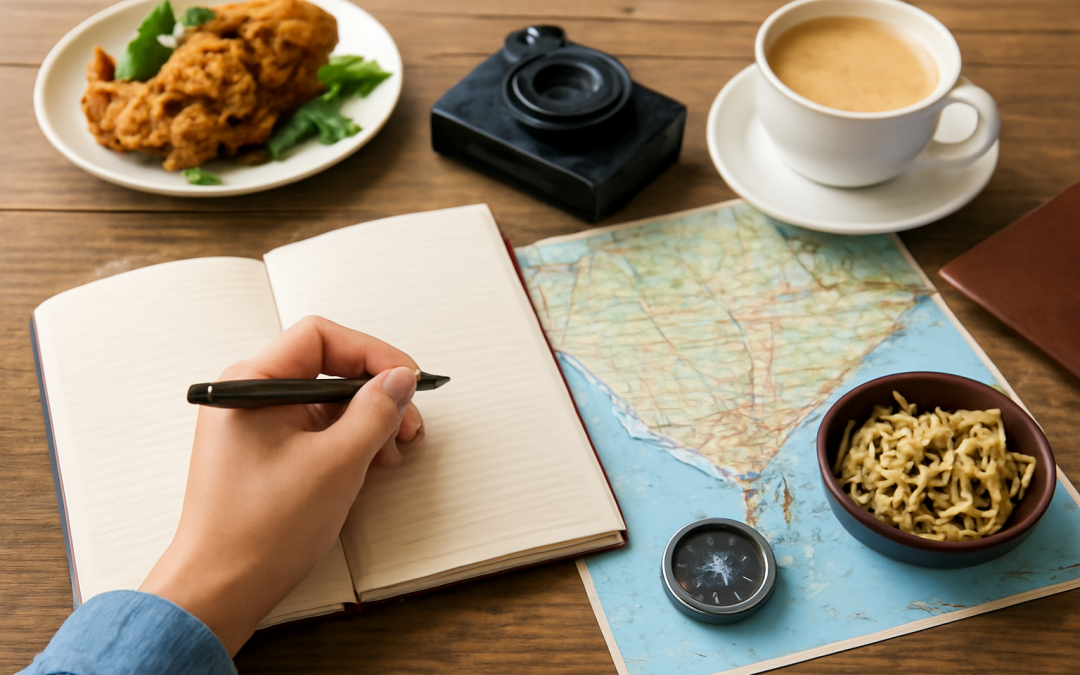
Embarking on a culinary journey is one of the most enriching ways to explore a new destination. A thoughtfully crafted itinerary centered around food allows travelers to delve deeply into the culture, history, and traditions of a place, beyond what typical sightseeing can offer. By focusing your plans around local cuisine and dining experiences, you open yourself up to authentic encounters and unforgettable tastes that define the essence of your chosen location.
Creating an itinerary with a strong food focus begins with thorough research. Understanding the region’s signature dishes, staple ingredients, and dining customs will inform every element of your planning. This involves exploring food blogs, watching travel and cooking shows, reading restaurant reviews, and engaging with locals or frequent visitors through forums or social media. Such background knowledge helps identify which neighborhoods, markets, and eateries are essential to include and which culinary experiences will provide both variety and authenticity.
Once the foundational research is complete, structuring your days around meals rather than destinations is a smart strategy. Unlike a typical travel schedule that prioritizes landmarks or sightseeing times, a food-focused itinerary revolves around breakfast, lunch, and dinner, with room for snacks and special tasting experiences in between. This approach often leads to more organic exploration, enabling you to discover hidden gems like street food stalls, family-run trattorias, or exclusive chef’s tables that might otherwise go unnoticed.
When selecting restaurants and food vendors, variety is key to capturing the full spectrum of the region’s culinary landscape. Aim to balance iconic eateries known for traditional fare with trendy spots offering modern interpretations or fusion dishes. Street food and casual markets hold their own importance since they reflect the everyday eating habits of locals and showcase bold, dynamic flavors that are often game-changers. Allocating time for both planned dining at well-known venues and spontaneous sampling along the way makes the experience richer and more engaging.
Timing your visits is another crucial consideration. Many signature dishes are best savored during specific seasons when ingredients are fresh and abundant, such as picking up stone fruits at a summer market or enjoying hearty stews in winter. Additionally, some specialties only appear at certain festivals or during holiday celebrations, providing an opportunity to witness food-related cultural rituals and social traditions. Integrating these temporal elements into your itinerary adds depth and exclusivity to your travel narrative.
Immersing yourself in the local food culture also means participating in interactive activities beyond eating. Cooking classes, guided market tours, and visits to artisan producers like cheese makers, chocolatiers, or vintners enhance understanding and appreciation of the culinary craft. These experiences foster meaningful connections with the people behind the food and provide insights into the labor and passion that drive each bite. Scheduling such activities between meals allows for a dynamic itinerary that balances learning and enjoyment seamlessly.
Transportation and geographical logistics require thoughtful consideration to maximize time and minimize stress during your travels. Grouping culinary destinations that are close to one another supports a leisurely pace, avoiding long commutes that could detract from the pleasure of the experience. When venturing to far-flung locales for a specific dish or vendor, confirm operating hours and any reservation requirements well in advance to prevent disappointment. Being flexible yet organized creates space for serendipitous discoveries while ensuring that core highlights are not missed.
It is equally important to understand the dietary customs and etiquette associated with each meal to fully engage with the culinary culture. In some places, meals are a slow, multi-course affair meant to be savored, while in others, quick street eats are the norm. Awareness of local dining customs, such as sharing plates, tipping practices, or customary toasts, respects the social fabric tied to the food experience and enhances the connection between visitor and host community. Engaging in these rituals enriches the overall journey and fosters cultural empathy.
Budget planning can have a significant impact on the options available within a food-focused travel itinerary. Allocating funds wisely to balance splurges on renowned restaurants with economical street food meals ensures a well-rounded experience without undue financial strain. Additionally, some of the richest culinary offerings come in humble settings, proving that quality and authenticity don’t always equate to high cost. Researching ahead to identify affordable yet remarkable options allows travelers to indulge fully while managing expenses.
Capturing and documenting the food experiences during your travels adds lasting value to your adventure. Taking notes on the particular flavors, preparation techniques, and historical or cultural anecdotes associated with each dish enriches memory retention and can inspire future culinary experiments at home. Photography, when done respectfully and discreetly, helps share the journey with friends or online audiences but should never overshadow the act of savoring the meal itself. The emotional connection to these moments often becomes one of the most cherished souvenirs.
For trip planning, allowing some flexibility to accommodate recommendations from locals or fellow travelers often leads to unexpectedly delightful episodes. Some of the best meals arise from spontaneous decisions or hidden finds passed along through word of mouth. Therefore, while it’s essential to have a well-structured itinerary, leaving pockets of open time encourages exploration and adaptability. This balance makes the trip more authentic and responsive to unfolding opportunities.
Bringing the elements together effectively involves identifying key themes or food narratives you want to pursue throughout your trip. Whether it’s a focus on seafood in a coastal town, historical culinary traditions in an old city, or street food culture in urban centers, having a clear focus guides your choices on where and what to eat. This thematic approach shapes a cohesive experience rather than a disparate set of meals and deepens the scope of your immersion in the local gastronomy.
A well-designed food-focused travel itinerary also emphasizes sensory awareness beyond taste alone. Paying close attention to the aromas, textures, presentation, and even sounds associated with the dining environment heightens appreciation. For example, the lively chatter of a market, the sizzle of a grill, or the delicate plating of a haute cuisine dish all contribute to the overall sensory narrative. Cultivating mindfulness in these moments enriches the interaction with place and food.
Considering dining companions and their preferences can enhance the experience significantly. Sharing meals and discoveries invites connection and conversation, and the variety of tastes and dietary needs within a group can broaden the itinerary’s scope. In contrast, solo travelers may find food as a gateway to new friendships in communal settings such as cooking classes, food tours, or vibrant markets. Understanding how social dynamics influence dining can help shape the itinerary to suit different travel styles.
Lastly, reflecting on the motivations behind building a food-focused travel itinerary brings clarity to the planning process. Whether the goal is to indulge a passion for gastronomy, deepen cultural understanding, learn culinary skills, or simply enjoy memorable meals, being mindful of this intent enriches your choices. This purposeful approach ensures that every meal and food-related experience contributes meaningfully to the overall travel story.
A well-curated plan centered around food transforms travel from mere observation to participatory exploration. By researching thoroughly, embracing local customs, balancing spontaneity with structure, and engaging all senses, travelers forge a profound relationship with the destination. The richness of a food-focused itinerary lies in its power to nourish curiosity, create connections, and leave lasting impressions that go far beyond the palate. In the end, such a journey is an edible narrative that tastes like discovery, tradition, and culture—served one plate at a time.