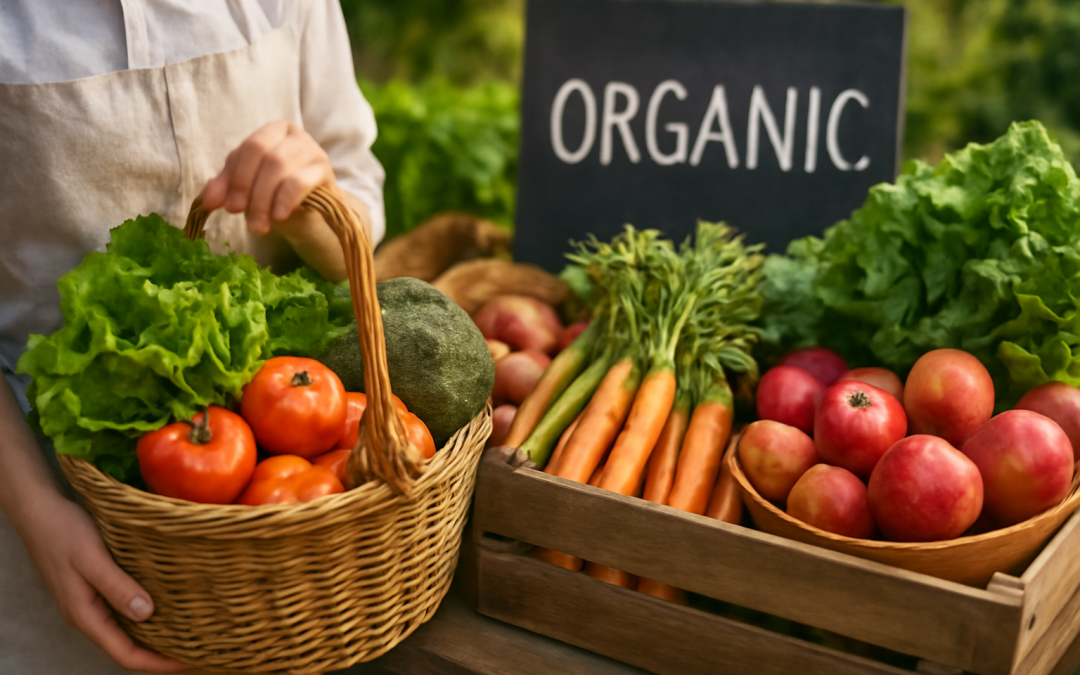
The shift toward consuming food grown without synthetic pesticides, fertilizers, genetically modified organisms, or chemical additives has become a defining trend in recent decades. This change is rooted in a growing awareness of how food production impacts health, the environment, and local economies. More than just a dietary choice, the movement towards organic food represents a broader cultural and ecological shift toward sustainability, transparency, and wellness. It challenges conventional agricultural methods and invites consumers to reconsider the origins of their meals—where they come from, how they are grown, and the effects these practices have on the planet.
Organic food is distinguished by the absence of synthetic chemicals, which are commonly used in conventional farming to enhance growth and combat pests. The organic approach relies on natural processes and materials to maintain soil fertility and control pests, often involving crop rotation, composting, and the use of beneficial insects. This technique not only avoids the chemical residues found in many traditionally farmed products but also aims to preserve the biodiversity and health of ecosystems. Many proponents argue that these methods produce food that is safer, more nutritious, and more in harmony with nature.
One of the cornerstones of organic food cultivation is soil health. Conventional farming frequently depletes soil through intense monoculture and the heavy use of chemical fertilizers, which can cause erosion, nutrient loss, and contamination. In contrast, organic farming enhances the natural structure and fertility of the soil by returning organic matter, minimizing disturbance, and encouraging microbial diversity. Healthy soil retains water better, supports diverse organisms, and reduces the need for irrigation. This not only benefits crop yields over the long term but also helps mitigate environmental problems like runoff and pollution, contributing to a more resilient agricultural system.
Beyond the environmental benefits, many consumers are motivated by the desire for healthier food options. Research comparing organic and conventionally grown produce has found that organic items often contain fewer pesticide residues, which can be important for reducing exposure to potentially harmful chemicals. Some studies suggest that organic fruits and vegetables may also have higher levels of certain antioxidants and micronutrients, though the nutritional differences can vary widely depending on the crop and growing conditions. Additionally, organic farming prohibits the use of synthetic hormones and antibiotics in animal agriculture, which has sparked concerns about antibiotic resistance and hormone residues in meat and dairy products.
The role of organic farming in animal welfare is another critical aspect that drives the movement. Organic standards typically require that livestock have access to outdoor spaces and are raised without routine antibiotics or growth-promoting hormones. Animals are often provided with conditions that better reflect their natural behaviors, such as grazing outdoors and living in less crowded environments. These practices aim to improve animal health and quality of life, addressing ethical concerns about industrial farming while producing products that many consumers believe are of superior quality and taste.
From a socio-economic perspective, organic agriculture can contribute positively to rural communities by promoting local economies and creating employment opportunities. Small farmers engaging in organic practices often benefit from access to niche markets that demand sustainable and ethically produced food. These producers may also receive premium prices for their goods, which can support farm viability and rural development. Moreover, the emphasis on transparency and traceability in organic certification builds trust between consumers and producers, fostering stronger connections within food systems.
The growth of the organic food sector has sparked innovation across the food industry, from farming technologies to retail strategies. Advances in organic pest management, soil enhancement, and certification systems have made organic farming more accessible and scalable. At the marketplace level, supermarkets, restaurants, and online platforms have expanded their offerings to include a wide variety of organic products, making it easier for consumers to find and choose organic options. This accessibility reflects a broader recognition of the demand for organic foods, which continues to rise as awareness about health and environmental issues increases globally.
Despite the many advantages, the organic food movement faces challenges and criticisms, some of which focus on price and scalability. Organic products often cost more due to labor-intensive practices, certification fees, and lower yields compared to conventional farming methods. This price difference can limit access for lower-income consumers and raise questions about whether organic farming can feed the world’s growing population. Critics also argue that “organic” labels may sometimes be used misleadingly or that organic farming is not always completely sustainable, depending on the context and specific practices employed.
Addressing these challenges requires ongoing innovation and a nuanced understanding of agricultural systems. Integrating organic practices with new technologies, such as precision agriculture, can improve efficiency and yield while maintaining ecological principles. Additionally, policy support, including subsidies and educational programs, can encourage farmers to transition to organic methods and help manage costs. Promoting organic agriculture within a broader framework of sustainable food systems—including local sourcing, waste reduction, and diversified diets—can further enhance its benefits and address issues of equity and access.
Consumer education and transparency remain fundamental to the organic food movement’s success. As buyers become more informed about the health and environmental implications of their food choices, they can make decisions that align with their values. Clear labeling, traceability, and effective communication from producers and retailers help ensure consumers understand the meaning behind organic certification and can differentiate between genuinely organic products and others. This informed engagement supports a more sustainable food culture, where quality and responsibility take precedence over mere convenience or cost.
The impact of organic agriculture extends globally, influencing farming communities, ecosystems, and markets around the world. Many developing countries have embraced organic methods both to improve the livelihoods of smallholder farmers and to respond to international demand for certified organic products. This global interconnectedness highlights the potential of the organic movement to contribute to sustainable development goals, including poverty alleviation, environmental conservation, and improved nutrition. However, it also underscores the importance of adapting organic principles to local conditions and cultural practices to maximize benefits.
Environmental crises like climate change and biodiversity loss have given fresh urgency to the examination of food systems, and organic farming is central to many proposed solutions. Organic practices tend to sequester more carbon in the soil compared to tillage-intensive conventional approaches, helping to mitigate greenhouse gas emissions. They also promote diverse habitats that support pollinators, birds, and beneficial insects, which are critical for ecosystem health. By reducing pollution and conserving resources, organic agriculture contributes to a regenerative approach essential for long-term planetary health.
The cultural and ethical dimensions of choosing organic food also reflect a shift in societal values. Many people view their food choices as acts of personal responsibility and environmental stewardship, connecting individual behavior with broader social outcomes. This perspective fosters a deeper relationship with food and the agricultural landscape, encouraging respect for seasonal and local foods and a slower, more mindful approach to consumption. Such changes promote wellness holistically, extending benefits beyond physical health to mental and emotional well-being.
In conclusion, the organic food movement represents a multifaceted response to the challenges of contemporary food production. It combines environmental sustainability, health consciousness, ethical farming, and social responsibility into a coherent vision for the future of agriculture. While it faces obstacles related to cost, scale, and public understanding, its continued evolution and expansion signal a profound transformation in how people relate to food and the natural world. By embracing organic principles, societies can move toward more resilient, equitable, and nourishing food systems that respect both people and the planet.