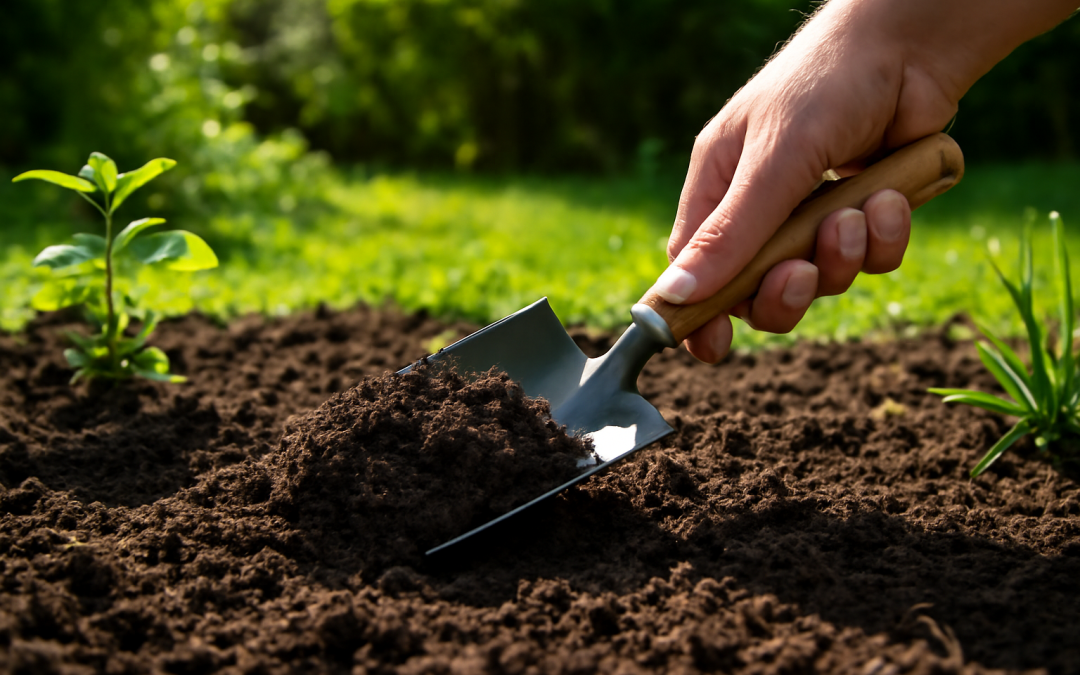
Creating and preserving soil that supports healthy plant growth is essential for any successful outdoor space. Soil is the foundation of your yard’s ecosystem, influencing everything from the vigor of your lawn to the productivity of your garden. Maintaining healthy soil requires understanding its composition, nurturing its biological activity, and adopting sustainable practices that improve its structure and fertility over time. By treating soil as a living system rather than just dirt, you can unlock its potential to support robust plants and provide long-lasting benefits to your landscape.
Soil health is primarily determined by its physical, chemical, and biological properties. The texture of the soil—whether it’s sandy, clayey, or loamy—affects water retention and air circulation, both critical for root development. Additionally, the nutrient content and pH level influence how well plants can absorb essential minerals. Perhaps most importantly, the microorganisms within the soil, such as bacteria and fungi, play a pivotal role in breaking down organic matter and recycling nutrients. A balanced ecosystem in the soil supports disease resistance, enhances nutrient availability, and improves overall plant health.
One of the most effective ways to maintain soil health is to regularly incorporate organic matter into the ground. This might include compost, leaf mold, or well-rotted manure. Organic matter improves soil structure by increasing its ability to hold moisture and nutrients. It also encourages the proliferation of beneficial microbes that aid in nutrient cycling. Over time, adding organic material creates more pore spaces in the soil, which enhances oxygen flow and drainage, preventing issues like root rot in wet conditions and drought stress during dry spells.
Avoiding soil compaction is another crucial aspect of maintaining healthy soil. Frequent foot traffic, heavy machinery, or even vigorous gardening can compress the soil particles, reducing pore space and hindering root growth. Compacted soil becomes hard and dense, blocking air and water penetration. Using mulch, establishing dedicated pathways, and minimizing tillage can help prevent compaction. If soil does become compacted, techniques such as aeration or the addition of coarse organic matter can help restore its porosity and improve its capacity to support plant roots.
pH balance plays a significant role in soil health because it affects nutrient availability to plants. Most garden plants thrive in a slightly acidic to neutral pH range, typically between 6.0 and 7.0. Testing the soil pH before planting allows you to adjust it accordingly. For example, sulfur or organic matter like pine needles can lower pH levels when soils are too alkaline, while lime can raise pH in overly acidic soils. Maintaining proper pH levels ensures that essential nutrients such as nitrogen, phosphorus, potassium, and trace minerals remain accessible to plants, fostering healthy growth.
Crop rotation and diversity are valuable strategies to keep soils fertile and resist pests. Growing the same type of plant repeatedly in one place can deplete specific nutrients and encourage the buildup of pests or diseases. Rotating crops that have different nutrient needs and root structures allows the soil to recover and maintain balanced nutrient levels. Incorporating a variety of plants, including legumes that fix nitrogen in the soil, further contributes to nutrient replenishment and encourages a diverse microbial population, which strengthens the soil’s resilience.
Water management is closely linked to soil health. Overwatering can lead to waterlogged soil, depriving roots of oxygen and promoting harmful fungal growth. Conversely, insufficient watering stresses plants and diminishes the soil’s capacity to sustain plant life. Enhancing soil with organic matter improves its water holding capacity while allowing excess water to drain away, maintaining an optimal moisture balance. Installing rain gardens, using drip irrigation, and applying mulch to reduce evaporation are effective methods to conserve water and maintain moisture levels appropriate for healthy soil ecosystems.
Minimizing the use of synthetic chemicals such as pesticides and fertilizers also supports long-term soil health. While these substances might offer quick solutions to pest problems or nutrient deficiencies, repeated use can disrupt beneficial microbial communities and lead to chemical imbalances. Over time, this jeopardizes soil structure and fertility. Instead, employing integrated pest management techniques, natural soil amendments, and slow-release fertilizers encourages a healthy biological balance and sustained nutrient availability that benefits plants and the environment alike.
Cover cropping during off-seasons offers numerous advantages for soil conservation. Cover crops, such as clover or rye, protect soil from erosion, suppress weeds, and improve soil texture. Their root systems create channels that increase aeration and water infiltration, while above-ground biomass adds organic material when incorporated back into the soil. Decomposing cover crops also contribute valuable nutrients, boosting soil fertility without the need for synthetic inputs. This practice strengthens the soil’s resilience and sets the stage for a thriving growing season.
Soil testing is a fundamental practice for maintaining healthy soil. Regularly analyzing the soil’s nutrient content, pH, and organic matter percentage provides critical data to guide your soil management decisions. Armed with this knowledge, adjustments can be made to address deficiencies before planting, avoiding guesswork and reducing waste. Soil tests also reveal potential contaminants or imbalances that could harm plants or the broader environment. By staying informed about the condition of your soil, you can take proactive steps to nurture and restore it effectively.
Composting is a cornerstone of sustainable soil care. The process transforms kitchen scraps, yard waste, and other organic materials into rich, humus-like compost that replenishes soil nutrients naturally. Adding compost to garden beds and lawns enhances microbial activity and improves soil texture, increasing its capacity to retain moisture and nutrients. Unlike chemical fertilizers, compost releases nutrients slowly, feeding plants over time and reducing the risk of leaching. Additionally, composting reduces waste sent to landfills and lowers your environmental footprint, making it a powerful tool for both gardeners and the planet.
Integrating mulch into soil management routines offers protective benefits that promote healthy soil conditions. Mulch layers shield soil from temperature extremes, reduce moisture evaporation, and suppress weed growth, which competes for nutrients and water. Organic mulches eventually break down and enrich the soil with carbon and nutrients, complementing other soil improvement efforts. Care should be taken to apply mulch at appropriate depths and avoid piling it against tree trunks or plant stems, which can cause disease. When used correctly, mulch serves as both a physical barrier and a source of nourishment for the soil beneath.
Encouraging biodiversity within your yard’s soil ecosystem can happen by incorporating native plants and avoiding practices that disturb the ground unnecessarily. Healthy soil habitats support not only microbes but also earthworms, insects, and other beneficial organisms that improve soil structure and nutrient cycling. Earthworms, in particular, are excellent indicators of soil health; their tunneling aerates the soil and helps organic matter break down more rapidly. Reducing excessive tillage and limiting chemical applications create a welcoming environment for these creatures, reinforcing a natural balance that sustains soil vitality.
Addressing soil erosion is critical for preserving the integrity of your yard’s soil. Erosion strips away the fertile topsoil layer, which contains most of the nutrients and organic matter plants need to thrive. Sloping areas are particularly vulnerable to erosion caused by wind or water runoff. Plant roots help hold soil in place, so maintaining vegetation cover is vital. Where necessary, installing terraces, retaining walls, or ground cover plants can reduce erosion risk. Keeping soil anchored reduces nutrient loss and maintains the physical foundation essential for strong plant growth.
Incorporating no-till or low-till gardening techniques can significantly benefit soil health by preserving its natural structure and microbial life. Frequent tilling disrupts soil aggregates, destroys fungal networks, and accelerates organic matter decomposition, which can degrade soil quality over time. By reducing disturbance, the soil can build stable aggregates and maintain a thriving population of beneficial organisms. This approach not only improves water infiltration and retention but also enhances nutrient cycling, leading to healthier plants and a more sustainable yard.
The success of maintaining healthy soil ultimately depends on observing and responding to the unique conditions of your yard. Soil characteristics vary widely depending on climate, geography, and previous land use. Keeping detailed records of changes to soil health and plant performance helps identify what methods work best. Regular observation allows for timely interventions that prevent problems before they escalate. Over time, a tailored approach to soil management will develop into a sustainable routine that supports a vibrant, productive outdoor environment.
In summary, nurturing healthy soil involves a comprehensive approach that balances physical structure, nutrient content, biological activity, and environmental stewardship. By enriching your soil with organic matter, preventing compaction, managing pH levels, practicing crop rotation, conserving water, and minimizing chemical inputs, you can build a fertile foundation for a thriving yard. Complementary practices like cover cropping, mulching, and reducing soil disturbance further enhance soil vitality. Through consistent care and mindful management, your soil will remain robust, promoting strong plants and a flourishing landscape for years to come.