A lush, green lawn is more than just an aesthetic asset; it serves as a welcoming outdoor space, enhances property value, and contributes to a healthy environment. As winter fades and temperatures begin to rise, spring offers a prime opportunity to nurture your lawn back to life after months of dormancy. Taking proactive steps in early spring can set the stage for a vibrant, resilient yard throughout the warmer months. Understanding the essentials of spring lawn care basics for a healthy yard is crucial to achieving this goal, ensuring that every blade of grass thrives in the months ahead.
The first step in spring lawn care involves assessing any winter damage. Harsh weather conditions, heavy snowfall, and fluctuating temperatures can leave lawns looking patchy or thin. Walking across your yard to identify problem areas will help determine your priorities. Look for signs such as brown patches, mold, or excessive thatch buildup. Thatched lawns—those with a thick layer of dead grass and roots—suffocate healthy growth by blocking water and nutrients from reaching the soil. If the thatch layer exceeds half an inch, it’s time for dethatching. This process can be accomplished mechanically using specialized dethatching rakes or machines, but can also be done by hand in smaller yards. Removing excessive thatch improves airflow and stimulates new growth.
Once the thatch is managed, aeration is another essential practice for maintaining soil health. Over time, lawn soil becomes compacted, especially in high-traffic areas, limiting oxygen, water, and nutrient absorption by grass roots. Aerating your lawn involves perforating the soil with small holes to relieve compaction and promote deeper root growth. Spring is an ideal time to aerate, particularly if the soil remains moist but not soggy. Core aerators, which remove small plugs of soil, are preferred for their effectiveness. Following aeration, topdressing the lawn with a thin layer of compost or quality topsoil can further enrich the soil and improve its texture. These steps combined encourage stronger, more resilient turf.
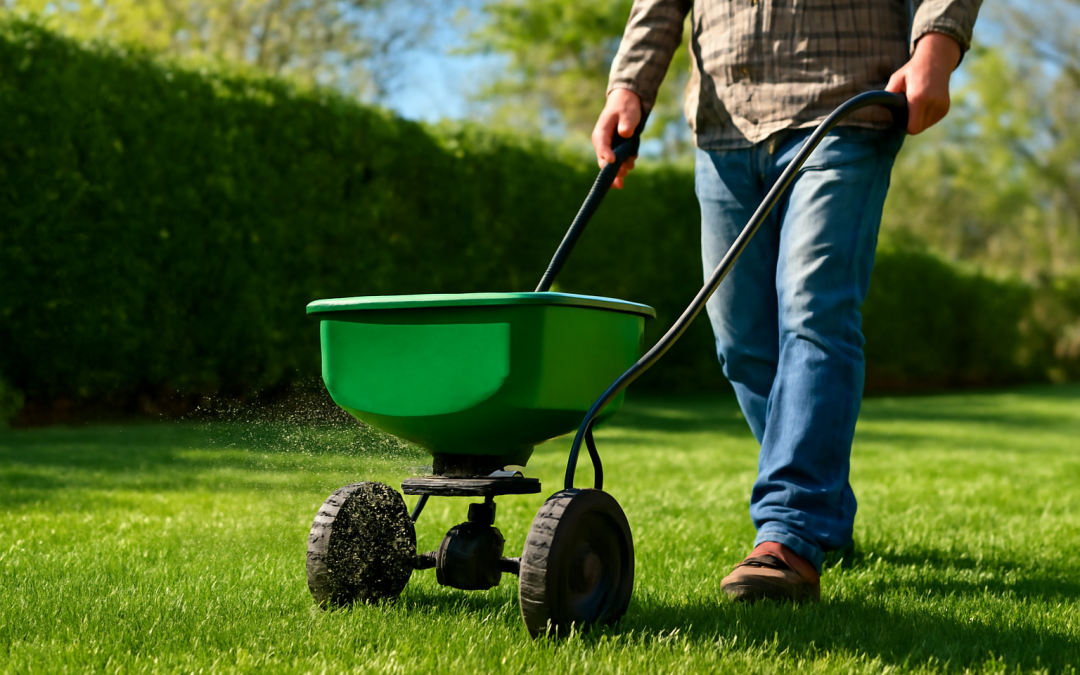
Proper fertilization in spring is another cornerstone of a healthy yard. After a long winter, grass needs nutrients to jumpstart growth and repair any damaged areas. Applying a balanced fertilizer designed for spring conditions delivers essential nitrogen, phosphorus, and potassium to the soil. Nitrogen promotes lush green blades, phosphorus supports root development, and potassium enhances overall plant health and disease resistance. When fertilizing, it’s important to follow recommended application rates and avoid over-fertilizing, which can cause chemical runoff and harm the environment. Slow-release fertilizers are often a smart choice as they provide nutrients gradually, minimizing the risk of burn and ensuring sustained lawn nutrition.
An often-overlooked aspect of spring lawn care is soil testing. Testing the soil’s pH and nutrient content before applying fertilizers or amendments provides valuable insight into what your lawn actually needs. Lawns generally thrive in slightly acidic to neutral pH levels, typically between 6.0 and 7.0. If the soil pH is too low (acidic), applying lime can help raise it, while sulfur is used to lower high pH. By starting with a precise understanding of soil conditions, you can tailor fertilization and amendment practices for maximum benefit.
Mowing practices in spring also play a significant role in lawn health. The first mow of the season should be done when the grass begins to grow actively and reaches about 3 to 4 inches in height. At this point, set your mower blade higher than usual, cutting only the top third of the grass blades. This height helps the grass retain moisture, develop deeper roots, and suppress weed growth. As the season progresses, gradually reduce mowing height but avoid scalping the lawn, which stresses the grass and invites weeds.
Speaking of weeds, managing them early is crucial to preventing infestations. Weeds compete with grass for nutrients, water, and sunlight, and can quickly take over a yard if left unchecked. Applying pre-emergent herbicides in early spring prevents weed seeds—especially crabgrass—from germinating. Be cautious when applying herbicides; follow product directions carefully and avoid treatments that may harm beneficial plants or your lawn grass type. For existing weeds, spot-treatment with selective post-emergent herbicides or manual removal ensures your grass maintains dominance.
Watering is another fundamental element during the spring season. While grass requires consistent moisture to establish healthy roots, overwatering can lead to fungal diseases and root rot. Early spring watering should focus on providing about an inch of water per week, ideally through deep, infrequent soakings rather than light, daily sprinkling. This encourages roots to grow deeper into the soil rather than staying near the surface where they are more vulnerable. Monitoring weather patterns is important, as natural rainfall often reduces the need for supplemental watering.
Spring is also a prime time to consider overseeding, especially in yards that are thin or have bare spots. Overseeding introduces new grass varieties that can improve the lawn’s density, color, and resistance to disease and drought. Choose grass seed types that are suited to your climate and soil conditions, such as cool-season grasses for northern regions or warm-season varieties for southern climates. Prepare the lawn by mowing low, raking to remove debris, and lightly aerating before spreading the seed. Keep the seeded areas moist until germination occurs, which typically happens in one to three weeks.
Aside from these biological and chemical interventions, mechanical lawn care is equally important. Spring is an excellent time to repair damaged areas that may have emerged over winter. This may mean filling in holes created by burrowing animals, flattening uneven ground, or reseeding patches worn down by foot traffic or pets. Attention to these details enhances the overall look and function of your yard.
An integrated pest management approach also helps maintain a healthy lawn without overreliance on chemical pesticides. Spring can signal the emergence of turf insects such as grubs and chinch bugs. Regular inspection and identification are crucial to determine if pest control is necessary. Encouraging natural predators like birds or applying targeted treatments only when thresholds are exceeded prevents unnecessary chemical use and supports environmental health.
Many lawn care specialists recommend creating a seasonal maintenance calendar to keep track of tasks and treatments. Each spring chore, from soil testing to fertilization to pest scouting, fits into a rhythm that supports lawn resilience. This proactive attitude, combined with a commitment to ongoing care through summer and fall, is the best way to achieve a truly healthy yard that withstands the stress of weather changes, foot traffic, and seasonal pests.
Moreover, a healthy lawn is not just about aesthetics—it plays a critical role in soil conservation, water management, and air quality. Thick, healthy grass prevents soil erosion by stabilizing the ground with its root system. It also improves water infiltration, reducing runoff and the risk of flooding. Furthermore, lawns act as natural air filters, trapping dust and pollutants while producing oxygen through photosynthesis. By committing to spring lawn care basics for a healthy yard, you contribute positively to your local ecosystem.
Choosing appropriate lawn care tools and equipment also influences results. Sharp mower blades ensure clean cuts that heal quickly, while garden hoses with adjustable nozzles allow for precise watering. Investing in quality aerators and dethatching equipment tailored to the size and type of your lawn makes routine maintenance more efficient. Clean and properly maintained tools reduce the risk of spreading fungal diseases or pests.
In conclusion, the steps taken during spring form the foundation for a thriving lawn throughout the year. Through careful assessment, dethatching, aeration, fertilization, soil testing, mowing, watering, overseeding, and pest management, you can address lawn health comprehensively. Each element builds upon the other, promoting strong grass growth that withstands environmental stresses. By dedicating time and attention to these spring lawn care basics, you cultivate not just a vibrant yard, but an outdoor space that supports wellbeing, beauty, and sustainability. The rewards of a healthy lawn extend well beyond curb appeal, providing a source of pride and enjoyment for the entire year.