As the cold grasp of winter loosens and the days grow longer, the anticipation of spring brings both renewal and responsibility for homeowners. One of the most consistent challenges in the transition into warmer months is preparing for the heavy rains that often accompany the season. Adequate preparation can help prevent water damage, structural problems, and costly repairs, turning what might be a stressful time into a manageable and even satisfying experience. Getting your home ready for spring rain requires a thorough inspection, strategic maintenance, and mindful adjustments that protect your property and preserve its value.
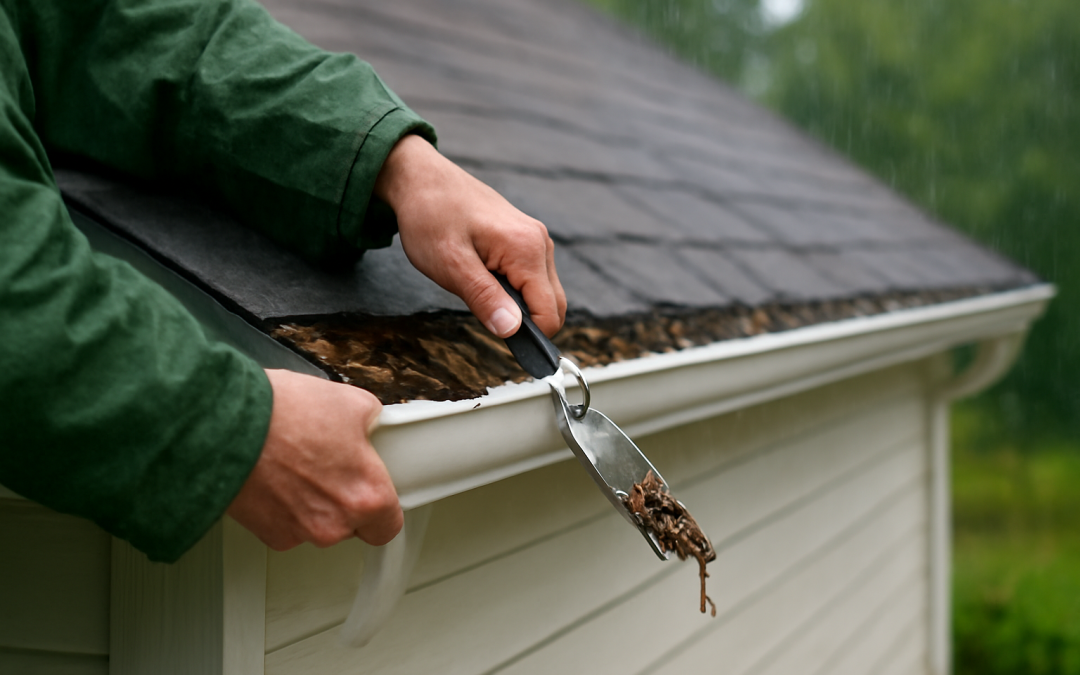
The foundation of effective rain preparedness lies in a comprehensive evaluation of your home’s exterior. Start with the roof, which serves as the first line of defense against moisture intrusion. Check for missing, cracked, or loose shingles, as even small gaps can allow water to penetrate and cause leaks. Pay close attention to areas around chimneys, vents, and skylights where flashing may have deteriorated. Addressing these weaknesses early prevents more serious damage, such as mold growth or wood rot, which can be expensive to repair and harmful to indoor air quality. Cleaning gutters and downspouts is equally critical. Blocked gutters can cause water to overflow, saturate your walls, and eventually erode your foundation. Ensure that all pathways for water are clear of debris and properly aligned to direct runoff away from your home.
The drainage system surrounding your home plays another pivotal role in keeping water away from your structure. Ideally, the soil around the foundation should slope downward, moving water away in a gentle, unobstructed manner. If you notice pooling water or excessively saturated ground near your foundation after a rain, it is a clear indicator that grading improvements are needed. Installing or maintaining French drains or other drainage solutions can help redirect excess water to safer areas. Additionally, consider adding splash blocks under downspouts to prevent soil erosion and distribute water flow more evenly.
Inside the home, the focus should shift toward preventing moisture-related problems and ensuring that your living spaces remain dry and safe throughout the rainy season. Check basement and crawl space walls for signs of dampness, leaks, or efflorescence, which is the white, powdery substance formed by mineral deposits left by evaporating water. Installing a sump pump can be an invaluable investment if your basement is prone to flooding. In areas where moisture accumulation is frequent, consider waterproof coatings or sealants to increase resistance to water penetration. Proper ventilation in attics and crawl spaces also helps reduce excess humidity, which can contribute to mold growth and structural degradation.
Windows and doors are often overlooked sources of leaks during heavy rains. Inspect all seals and weatherstripping to ensure they are intact and provide a proper barrier against water intrusion. Resealing and caulking around frames may be necessary to close gaps that allow moisture to seep in. Storm windows and doors can add an extra layer of protection, as can ensuring that exterior window sills have adequate slope to direct water away from the wall assembly. If your home has older single-pane windows, now might be the time to consider upgrades that improve both energy efficiency and weather resistance.
Another essential, though often understated, aspect of spring rain preparedness is the maintenance of outdoor drainage features such as patios, decks, and walkways. Water pooling on these surfaces can not only be a safety hazard but also exacerbate issues with foundation flooding and soil erosion. Ensure that all outdoor surfaces are properly graded and that drainage channels, if present, are functional and clear. Consider the installation of permeable materials that allow water to filter through rather than accumulate, thereby reducing runoff and integrating natural water absorption into your landscaping plan.
Landscaping itself can be both a protective buffer and a potential risk factor when it comes to managing spring rains. Plants and mulch absorb considerable amounts of water, reducing the volume that reaches your foundation and helping prevent excessive runoff. However, be cautious with the placement of shrubs and trees. Roots growing too close to the foundation can cause cracks and shifts, while also creating entry points for water. Keep a good distance between large plants and the foundation and regularly prune any foliage that obstructs gutters or downspouts. Building rain gardens or installing rain barrels can also be effective ways to utilize excess water beneficially, promoting a well-balanced ecosystem while protecting your home.
When it comes to pipes and various utility connections, take proactive steps to prevent water damage. Inspect hose bibs and outdoor faucets for leaks or damage, and shut them off if they remain unused during the rainy season to avoid unnecessary drips and potential freezing issues that could weaken pipes. Check that underground plumbing is intact and that any penetrations through the foundation or exterior walls are sealed. Pay particular attention to any outdoor electrical fixtures that might be vulnerable to moisture, ensuring that they are weatherproof and properly covered.
Preventing water damage during spring rains is not just about the physical structures but also involves being prepared for emergencies. Make sure that you have access to reliable sump pump systems, battery backups, and necessary waterproof containers to protect important documents and valuables. Keeping a well-stocked emergency kit and having a family plan in place can make a significant difference in the event of unexpected flooding. Regularly monitor weather forecasts throughout the season so you can anticipate heavy downpours and take quick action to protect your home.
In addition to handling the practical components, spring rain preparation can be an opportunity to evaluate your home’s energy efficiency and consider sustainable practices that go hand in hand with moisture management. Installing rainwater harvesting systems and using rain-friendly landscaping can reduce your reliance on city water supplies and reduce stormwater runoff, contributing positively to environmental conservation. Upgrading to energy-efficient windows and doors that also maintain tight seals can improve insulation while simultaneously protecting your home from rain infiltration. Small investments in smart home technology can also alert you to leaks or changes in humidity levels before they become critical issues.
Lastly, never underestimate the value of professional inspections and maintenance to complement your efforts. Roofers, plumbers, landscapers, and drainage specialists can spot potential concerns that are not obvious to the untrained eye. Scheduling routine inspections before the peak rainy season arrives allows for timely repairs and expert guidance tailored to your specific home and geographic location. Professionals can also advise on the latest products and techniques that offer the best protection, durability, and cost-effectiveness.
Taking the time to get your home ready for spring rain is both preventive and proactive, helping you avoid costly damage while maintaining a comfortable and secure living environment. By carefully inspecting your roof, gutters, drainage systems, and foundation, sealing vulnerabilities around windows and doors, optimizing landscaping, and preparing interior spaces for moisture control, you create a resilient barrier against the inevitable seasonal weather changes. When spring rains arrive, your home will stand strong, shielding you and your family from the disruptions and hazards often associated with this season’s heavy precipitation. With diligent care and attention, you can embrace the freshness and vitality of spring with confidence, knowing your home is well prepared to weather the storms ahead.