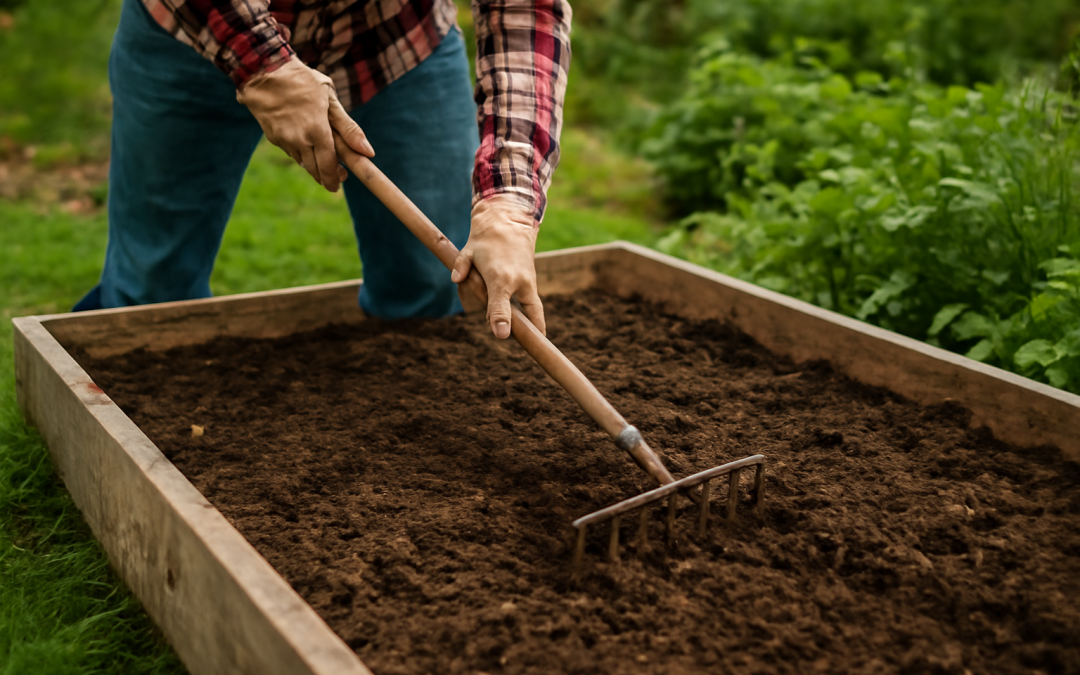
As the chill of winter gradually recedes and the first signs of green appear, gardeners everywhere begin to anticipate the arrival of the growing season. Preparing your garden beds for spring planting is a critical step that sets the tone for a successful and fruitful garden throughout the warmer months. It involves more than just clearing away debris; it’s a deliberate process of revitalizing the soil, improving its structure, and creating an optimal environment for seeds and seedlings to thrive. Proper preparation can significantly influence plant health, yield, and the overall enjoyment of your gardening experience.
The foundation of any good garden lies in the soil. Over the winter months, soil can become compacted due to rain, snow, and occasionally heavy foot traffic. Compacted soil restricts root growth and limits the availability of air and water to plants. Therefore, the first step in bed preparation involves loosening and aerating the soil. Carefully turning the top 6 to 12 inches of soil with a garden fork or tiller breaks up compacted layers and promotes better drainage. Avoid working the soil when it is overly wet, as this can lead to clumping and damage to soil structure. Ideally, aim for a crumbly, moist consistency that holds together without becoming muddy.
Once the soil has been aerated, consider the nutrient content and organic matter of your garden beds. Winter often leaches nutrients from the soil, and the absence of active plants means the natural cycle of nutrient replenishment has slowed. Introducing organic matter such as compost, well-aged manure, or leaf mold can dramatically improve soil fertility. Organic matter enhances soil texture by increasing its ability to retain moisture and nutrients while improving drainage in heavier soils. Spread a generous layer over the garden bed and work it into the soil gently, mixing it evenly to create a nourishing environment for your upcoming plants.
Alongside organic amendments, conducting a soil test can provide valuable insights into the specific pH levels and nutrient deficiencies of the garden bed. Soil pH significantly impacts nutrient availability; most vegetables and flowering plants prefer slightly acidic to neutral soil, with a pH ranging from 6.0 to 7.0. If your test indicates that the soil is too acidic, applying lime can help raise the pH. Conversely, elemental sulfur can lower high pH levels to make nutrients more accessible. Testing for key nutrients such as nitrogen, phosphorus, and potassium allows for the precise application of fertilizers tailored to your garden’s needs. By targeting these adjustments early, you save time and resources later in the season.
Weeds often take advantage of the dormant winter months to establish themselves in garden beds. Before planting, it’s essential to clear out any unwanted growth. Removing weeds not only reduces competition for resources but also prevents the spread of disease and pests. Hand-pulling is effective for small patches, but larger areas might benefit from the use of garden tools such as hoes. After removal, it’s beneficial to apply a thin layer of mulch, which suppresses weed germination while helping retain soil moisture. Organic mulches like straw, shredded leaves, or bark chips break down over time, contributing additional nutrients to the soil.
Drainage is another crucial factor to assess when preparing planting beds. Poor drainage can lead to waterlogged soil, root rot, and a host of other complications, particularly for spring crops that prefer well-drained environments. If your garden bed has low spots where water tends to pool, consider reshaping the bed or installing drainage solutions such as raised beds or trenches. Raised beds are especially helpful in regions with heavy, clayey soil or where seasonal flooding is common. By elevating the soil level, you not only improve drainage but also warm the soil faster in spring, promoting earlier planting and quicker germination.
Addressing pest prevention is an often overlooked but vital part of garden bed preparation. Residual pest eggs from the previous season can overwinter in the soil, posing threats to young seedlings. To combat this, clear away old plant material that might harbor pests or diseases. Crop rotation is an effective practice that disrupts the life cycles of many soil-borne pests and diseases by varying plant families grown in the same spot each year. Additionally, incorporating beneficial nematodes or other natural predators into the soil can help reduce harmful insect populations without relying on chemical pesticides.
Proper bed preparation also involves planning the layout and spacing of your garden plants. Compacted or overcrowded planting can stress plants and encourage the spread of diseases. Before planting, sketch out your garden, taking into account the mature size of each species and their sunlight and nutrient requirements. Companion planting can be integrated at this stage to support healthy growth by pairing plants that benefit one another. For example, planting nitrogen-fixing legumes alongside heavy feeders like tomatoes can boost soil fertility naturally. Thoughtful arrangement not only maximizes space but also enhances the aesthetic appeal of your garden.
Watering infrastructure warrants attention during garden bed preparation. Early in the season, soil moisture levels must be monitored carefully to prevent drying out or excessive wetness. Installing drip irrigation or soaker hoses beneath mulch can provide efficient, targeted watering that reduces evaporation and keeps foliage dry — a key factor in disease prevention. If an irrigation system is already in place, run a thorough check for leaks or blockages and perform any necessary maintenance. For those reliant on manual watering, having a ready supply of rainwater or filling watering cans during this period helps maintain consistent hydration once seedlings emerge.
Spring planting success is also tied to timing. Preparing garden beds too early, while the soil is still cold and wet, can lead to compaction and delayed germination. Conversely, waiting too long might mean missing the optimal window for cool-season crops like peas, lettuce, and spinach. Invest time in monitoring local frost dates and soil temperatures; most spring vegetables germinate best when soil temperatures reach between 45 and 70 degrees Fahrenheit. Starting seeds indoors or under protective covers such as cloches and cold frames can extend your growing season while protecting young plants from unpredictable early spring weather.
In addition to garden design and soil preparation, consider incorporating cover crops or green manures during the off-season. These crops — such as clover, rye, or vetch — grow during winter or early spring and are tilled back into the soil before planting. They provide multiple benefits: preventing erosion, fixing nitrogen, suppressing winter weeds, and improving soil structure. Green manures break down into organic matter that enriches the garden bed just as you prepare for planting. If you’ ve sown cover crops, allocate time to mow and incorporate them thoroughly to avoid interference with your chosen spring crops.
Finally, adding a final layer of mulch before planting can moderate soil temperatures and provide a stable microclimate for seedlings. Mulching early also prevents the emergence of late spring weeds and helps retain moisture as temperatures rise. Organic mulches enrich the soil as they break down, attracting earthworms and beneficial microbes that promote healthy plant growth. Avoid synthetic mulches in vegetable gardens, as they do not contribute nutrients and can hinder beneficial soil fauna.
The process of preparing your garden beds for spring planting may seem labor-intensive, but the rewards are well worth the effort. Investing time in soil improvement, weed and pest management, and thoughtful planning forms the cornerstone of a vibrant garden. Each step enhances the soil’s physical, chemical, and biological properties, creating an ideal environment for your plants to grow robustly. When done properly, these preparations lead to higher yields, healthier plants, and a more enjoyable gardening experience overall. As you sow your first seeds and watch them sprout, the satisfaction of having laid a strong foundation will become abundantly clear.