Embarking on an adventure trip is an exhilarating way to explore new environments, challenge personal limits, and discover the beauty of the natural world. However, despite the thrill and excitement, prioritizing safety is essential to ensure that the experience remains enjoyable and free from unnecessary risks. Planning an adventure trip safely requires a careful balance of preparation, awareness, and flexibility, allowing travelers to make the most of their journey while protecting their well-being.
A strong foundation begins with research. Understanding the destination thoroughly is critical—this includes climate conditions, wildlife, political stability, cultural norms, and potential hazards specific to the area. For example, a trek in a tropical rainforest demands awareness of weather patterns, terrain challenges, and local wildlife, while an expedition to a mountainous region involves preparation for altitude sickness and sudden weather changes. Utilizing reliable sources such as government travel advisories, guidebooks, and local experts helps paint a clear picture of what to expect and what precautions to take.
Physical preparation is another crucial aspect often overlooked by adventurers eager to dive into their expedition. Many adventure activities demand stamina, strength, and endurance, making it essential to assess one’s fitness level objectively. Tailoring a training routine to the type of adventure planned—whether hiking, kayaking, or climbing—reduces the likelihood of injury and fatigue during the trip. Additionally, getting a medical check-up before traveling can help identify any underlying health issues that may affect performance or necessitate specific precautions.
Equipping oneself with appropriate gear is a fundamental step in ensuring safety on an adventure trip. The selection of equipment should be based not only on the activities planned but also on the environment and conditions expected throughout the journey. High-quality shoes or boots, weather-resistant clothing, navigation tools, and first aid supplies are just a few essentials that can make a significant difference. Carrying redundant or backup gear, such as extra batteries or a secondary communication device, helps mitigate risks linked to equipment failure. It’s also important to test all gear in advance to ensure it functions properly and is comfortable to use.
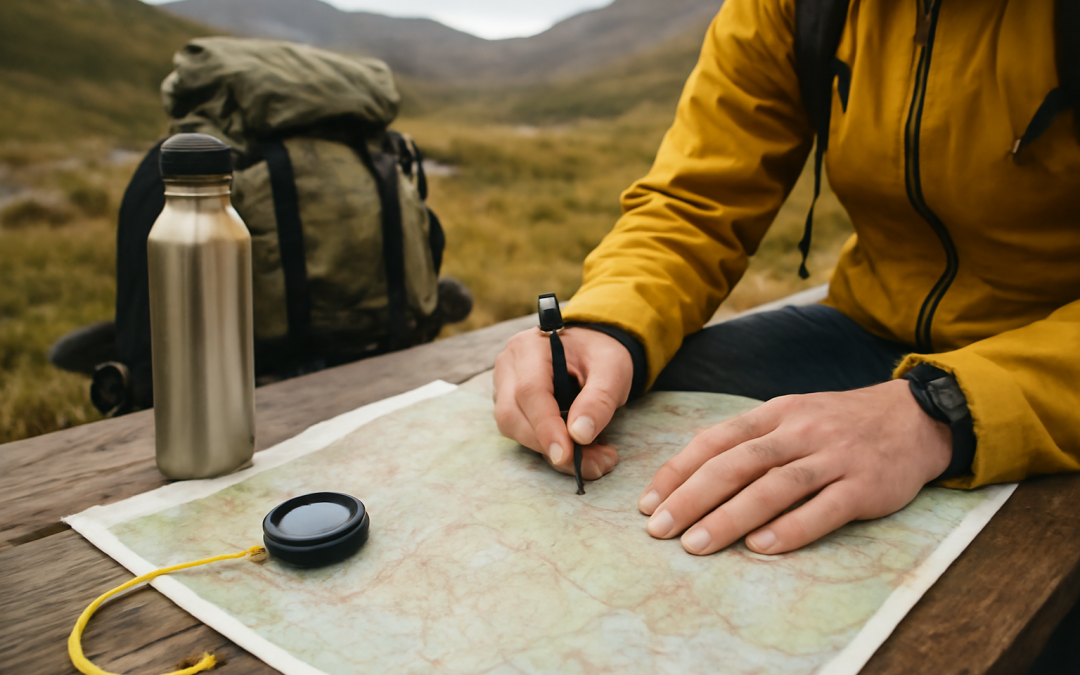
In addition to physical preparation and gear, learning essential skills related to the adventure plays a vital role in safety. Basic navigation, first aid, and emergency response training can empower travelers to react effectively during unforeseen situations. For example, understanding how to use a map and compass or how to perform CPR can be lifesaving in remote locations where professional help may be hours or days away. Consider enrolling in relevant courses or workshops before the trip, or practicing these skills through local outdoor activities.
One of the most significant safety measures involves planning the logistics around the trip. This includes designing a detailed itinerary, establishing check-in points, and sharing travel plans with trusted contacts. Such steps ensure that someone is aware of your whereabouts and expected timeline, which is critical if an emergency arises. It is advisable to factor in buffer days for unforeseen delays or adverse weather conditions, reducing the pressure to push through potentially dangerous situations. Additionally, adopting a flexible mindset allows for changes based on real-time circumstances rather than rigid adherence to the initial plan.
Communication remains a cornerstone of safe adventure travel. While modern technology offers an array of devices to stay connected, dependence on smartphones may not always be practical or reliable in remote areas. Alternative communication tools such as satellite phones, emergency beacons, or two-way radios offer enhanced coverage and can be indispensable during rescue operations. It is equally important to know how and when to use these devices correctly, as well as to carry extra power sources. Having multiple ways to communicate increases the chances of quickly accessing help when needed.
Environmental awareness is pivotal during any outdoor adventure. Respecting the terrain and local ecosystems not only preserves the beauty and integrity of nature but can also prevent encounters with dangerous conditions and wildlife. Avoiding fragile areas, following marked trails, and practicing responsible waste disposal reduce environmental impact and help maintain the safety of the trip. Before venturing into the wild, understanding the behaviors of local wildlife and how to respond to encounters reduces the risk of accidents or injuries caused by animals.
Nutrition and hydration strategies will significantly impact energy levels and overall safety during an adventure trip. Carrying sufficient water and knowing how to purify natural sources safeguards against dehydration and waterborne diseases. Similarly, packing nutrient-dense, easy-to-prepare food provides the necessary fuel for physical exertion. Planning meals and hydration with the intentions of the activity’s intensity and duration prevents fatigue and potential illness. Monitoring personal signs of dehydration or exhaustion and responding promptly by resting or hydrating can avert more serious complications.
Navigating legal and cultural aspects of the destination also contributes to a safer experience. Securing the appropriate permits or permissions for activities like camping, trekking, or fishing avoids legal troubles that might interrupt the trip. Understanding local customs, traditions, and etiquette helps foster respectful interactions with residents, reducing the chances of conflict. Being informed about regulated areas or restricted zones ensures compliance with local laws aimed at preserving the environment and protecting both visitors and locals.
Mental preparedness is an often underestimated element of safe adventure travel. Facing unpredictable weather, strenuous physical challenges, or unexpected delays can be mentally taxing. Developing resilience, patience, and problem-solving skills before and during the trip equips adventurers to handle stressful situations effectively. Setting realistic expectations also prevents frustration and risk-taking behaviors that might arise from disappointment or haste. Whether traveling alone or in groups, maintaining a positive attitude and remaining calm under pressure can be decisive in managing emergencies.
Group dynamics and safety protocols deserve attention when traveling with others. Clear communication, role assignments, and mutual support help prevent accidents and facilitate coordinated responses to issues. Establishing guidelines for staying together, handling emergencies, and decision-making creates a safety net that strengthens the group’s ability to navigate challenges. Moreover, making sure that all members are equally empowered with knowledge, skills, and equipment enhances collective preparedness. Conflict resolution strategies should also be in place to avoid disruptions that might compromise safety.
Insurance and contingency planning serve as vital backups in the event of unforeseen incidents. Travel insurance with coverage for adventure activities, medical evacuation, and trip cancellations provides financial protection and peace of mind. Understanding the terms and limitations of the policy ensures that travelers are not caught off guard when filing claims. Preparing for worst-case scenarios—such as lost gear, injuries, or sudden changes in political or environmental conditions—reduces panic and accelerates effective responses. Keeping copies of important documents and emergency contacts accessible at all times facilitates timely assistance should it be necessary.
When it comes to transportation during adventure trips, choosing reliable options and understanding the routes is essential for safety. Whether rented vehicles, boats, or trekking paths, verifying their conditions, credentials, and risks beforehand prevents exposure to avoidable hazards. For instance, driving on unfamiliar roads requires vigilance regarding traffic laws and local driving behaviors, while boat trips might demand knowledge of weather forecasts and water currents. Hiring trusted guides or transportation services adds an additional layer of security and local expertise.
Finally, post-trip assessment ensures continuous learning and improves future safety. Reflecting on experiences, identifying what worked well, and acknowledging any challenges or close calls contribute to refining planning and preparation skills. Sharing knowledge with fellow adventurers and participating in community discussions promotes collective safety awareness. Using feedback to adjust gear choices, training routines, or itinerary structures allows adventurers to evolve and enjoy safer trips moving forward.
In conclusion, venturing into the unknown with the right preparation transforms an adventure trip from a risky endeavor into an empowering and unforgettable journey. By combining extensive research, physical readiness, appropriate equipment, necessary skills, and thoughtful planning, travelers can minimize dangers and maximize enjoyment. Maintaining adaptability, respecting the environment, fostering good group dynamics, and securing proper insurance further reinforce safety. Ultimately, careful planning and responsible action ensure that each adventure not only challenges but also enriches the mind and spirit without compromising well-being.