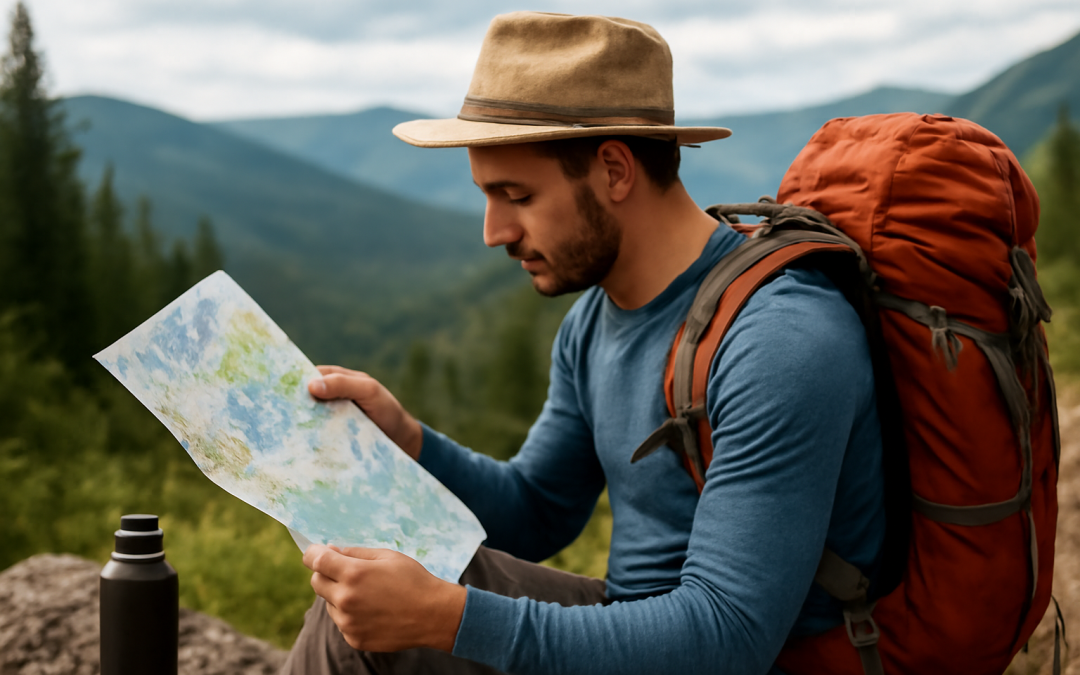
Embarking on an adventure trip can be one of the most exhilarating and rewarding experiences in life. The thrill of exploring new terrains, immersing yourself in unfamiliar cultures, and testing your limits in the great outdoors offers a profound sense of accomplishment and joy. However, adventure travel also brings inherent risks that require careful consideration and preparation. Ensuring that your journey is both exciting and safe requires a well-thought-out approach, balancing the spirit of exploration with practical measures to mitigate potential dangers. Understanding how to plan an adventure trip safely lays the foundation for unforgettable moments without compromising your well-being.
The first step in the planning process is to conduct thorough research on your chosen destination. This goes beyond simply identifying the most scenic routes or popular activities. It involves delving into the local climate, terrain challenges, health risks, political stability, and cultural norms. Gathering detailed information from credible sources such as official tourism websites, travel advisory agencies, and seasoned travelers helps in painting a realistic picture of what to expect. Knowing these factors allows you to prepare adequately and avoid surprises that could jeopardize your safety. For example, understanding seasonal weather conditions can help prevent encountering hazardous storms or extreme temperatures during your trip.
Equally important is assessing your own physical condition and skill level relative to the expected demands of the adventure. Whether it involves trekking through dense forests, skiing down steep slopes, or diving into deep waters, ensuring that you have the requisite fitness and technical knowledge is crucial. It is advisable to gradually build your endurance and skills well before the trip, perhaps through local training or guided practice outings. Overestimating your abilities can lead to accidents or exhaustion, endangering both yourself and those with you. If you are new to a particular activity, engaging with professional instructors or guides can provide essential insights and training.
A vital aspect of planning an adventure trip safely is creating a detailed itinerary and sharing it with trusted contacts. This itinerary should include clear information about your planned routes, daily schedules, accommodation arrangements, and emergency contact numbers. Securely sharing this data with family or friends back home ensures that someone is always aware of your whereabouts. It also facilitates prompt assistance if you fail to check in or encounter unforeseen complications. In remote or isolated areas where cellphone reception may be unreliable, considering satellite communication devices or personal locator beacons can significantly enhance your safety.
When it comes to gear and equipment, meticulous selection and preparation can make a decisive difference. Choosing the right clothing and tools tailored to your specific adventure is critical for both comfort and survival. This means selecting moisture-wicking fabrics for hot climates, insulating layers for cold weather, and sturdy footwear suitable for rough terrains. Ensuring that all your gear is in optimal condition through pre-trip inspections prevents costly malfunctions in crucial moments. Carrying essential safety items such as a well-stocked first aid kit, navigation aids, and emergency shelter materials equips you to handle unexpected situations effectively.
Health precautions should never be overlooked in adventure travel planning. Vaccinations, preventive medications, and knowledge of local health hazards form an integral part of preparation. Visiting a travel clinic well in advance allows you to acquire necessary immunizations and receive personalized advice based on your itinerary and health history. Maintaining proper hygiene and carrying sanitation supplies—especially in areas with limited access to clean water—helps prevent illness. Additionally, understanding altitude sickness symptoms, dehydration risks, or local wildlife dangers enables you to take timely action in case of emergencies.
Mental preparedness plays an often-underrated role in safe adventure trip planning. The unpredictable nature of adventure travel requires adaptability, patience, and a calm mindset under stress. Developing these psychological attributes can help you navigate challenges fluidly without panic, which is essential in crisis situations. Setting realistic expectations and acknowledging the possibility of setbacks fosters resilience and encourages problem-solving attitudes. Engaging in mindfulness techniques or stress management practices before and during your trip can promote mental clarity and better decision-making.
Insurance coverage tailored to the unique risks of adventure travel should be a non-negotiable consideration. Many standard travel insurance policies exclude high-risk activities; therefore, securing specialized adventure travel insurance ensures you are financially protected in case of medical emergencies, trip cancellations, or equipment loss. Reviewing policy terms carefully to understand coverage limits and exclusions prevents unexpected expenses and complications. Having access to international medical evacuation services can be life-saving when faced with serious injury or illness in remote locations.
Environmental responsibility is another factor intertwined with safety during adventure trips. Respecting local ecosystems and regulations not only preserves natural beauty for future explorers but also reduces hazards stemming from interference with wildlife or fragile habitats. Staying on designated trails, packing out all waste, and avoiding disruptive behaviors help maintain ecological balance and community goodwill. Being conscious of how your actions impact the environment contributes to a safer and more sustainable travel experience for everyone involved.
The role of local guides and experts cannot be overstated when venturing into unfamiliar or challenging areas. Hiring knowledgeable and certified guides provides invaluable insights into the terrain, weather patterns, and cultural nuances that might be missed otherwise. Their experience aids in risk assessment and navigation, increasing your chances of a successful and safe adventure. In many regions, local guides also support community economies and foster positive intercultural exchanges. Collaborating with trusted professionals enhances both your enjoyment and security.
Packing smartly with a focus on essentials while minimizing weight is another practical consideration for safety. Overpacking can impede mobility and increase fatigue, whereas underpacking risks leaving you unprepared for adverse conditions. Prioritize versatile gear that serves multiple purposes and ensure easy access to important items like water, food, maps, and communication devices. Regularly reviewing and adjusting your packing list to reflect the latest information about the destination helps maintain balance. Efficient packing supports your ability to respond quickly to changing circumstances and reduces physical strain.
Familiarizing yourself with local laws, customs, and etiquette before departure is an essential safety measure. Different destinations have varied regulations regarding outdoor activities, interaction with wildlife, and acceptable conduct. Breaking local laws—even unintentionally—can result in legal troubles or dangerous confrontations. Learning respectful communication practices and cultural sensitivities promotes positive interactions with local residents. This understanding cultivates goodwill, which can be crucial in receiving assistance if needed and enriching your overall experience.
Emergency preparedness is a cornerstone of safe adventure travel. Beyond carrying the appropriate equipment, practicing basic survival skills prior to the trip equips you to manage unexpected predicaments. Skills such as fire-starting, water purification, basic first aid, and navigation without electronic aids can be life-saving. Familiarizing yourself with the emergency procedures specific to your chosen area, including evacuation routes and nearest medical facilities, enhances your readiness. Conducting scenario planning or simulations with your travel companions can build confidence and teamwork in managing crises.
Maintaining situational awareness throughout the trip significantly reduces risks associated with adventure travel. Being attentive to changes in weather, terrain conditions, and your physical health allows for timely adjustments to your plans. Avoiding complacency by regularly reassessing environmental cues and interpersonal dynamics among your group ensures proactive decision-making. Practicing mindful observation when hiking, climbing, or participating in other adventure activities helps you identify potential hazards before they escalate. Safety-conscious behavior is a continuous process that underpins every successful adventure.
Communication with your travel companions and local contacts sustains a network of support crucial for safety. Establishing clear protocols for check-ins, decision-making, and responding to emergencies prevents confusion and enhances group coherence. Respecting each individual’s limitations and opinions fosters collective responsibility and reduces conflicts that can compromise safety. In areas where language barriers exist, learning basic phrases or utilizing translation tools facilitates smoother interactions and quick conveyance of critical information. Effective communication is fundamental to maintaining security in unpredictable situations.
Taking time to acclimatize to the environment prior to undertaking strenuous activities safeguards against physical distress. This is particularly important in high-altitude or extreme climate destinations where the body needs adjustment to prevent complications like altitude sickness or heatstroke. Gradually increasing activity levels and monitoring how your body responds allows you to enjoy the adventure without overexertion. Adequate rest, hydration, and nutrition during this period support optimal adaptation. Ignoring acclimatization can turn a thrilling adventure into a health crisis.
Contingency planning adds a layer of protection by preparing for the unexpected. Developing alternative routes, backup transportation options, and flexible scheduling helps mitigate disruptions caused by weather, road closures, or other unforeseen obstacles. Having a financial buffer for emergency expenditures or evacuation enhances resilience in crisis scenarios. Keeping digital and physical copies of important documents such as identification, permits, and medical records ensures quick access when needed. Contingency measures embed adaptability and foresight into your travel blueprint.
Respecting wildlife from a safe distance is not only an ethical obligation but also a critical safety practice. Unexpected encounters with animals can escalate quickly if boundaries are not maintained. Understanding the behavior patterns of local fauna and adhering to guidelines on interaction minimizes risks of attacks or transmission of zoonotic diseases. Avoiding feeding or provoking animals preserves natural ecosystems and reduces dependency on human presence. Awareness and respect in this regard safeguard both travelers and wildlife populations.
Hydration and nutrition management play pivotal roles in maintaining energy and cognitive function during physically demanding adventures. Carrying sufficient water and recognizing signs of dehydration or foodborne illnesses prevent incapacitation. Opting for lightweight, high-energy foods that are easy to digest and store supports sustained activity levels. Planning for water sources and purification methods in remote locations ensures you remain well-nourished throughout your journey. Neglecting these basic physiological needs can compromise safety and enjoyment.
Finally, remaining flexible and open-minded during your adventure travel experience contributes significantly to safety. Unexpected events may require altering plans, dialing back ambitions, or seeking local assistance. Embracing these changes with a positive attitude diminishes stress and fosters solutions-oriented thinking. Viewing challenges as part of the adventure rather than setbacks promotes emotional well-being and resilience. This mindset not only enhances personal safety but deepens the fulfillment drawn from your travels.
Adventure travel offers a unique opportunity to push boundaries and create lasting memories. By embracing a comprehensive approach to preparation — rooted in research, physical and mental readiness, effective communication, and respect for nature and culture — you create the conditions for an experience that is not only exciting but secure. The careful balance of boldness and caution ensures that each step taken into the unknown is supported by a framework of safety, allowing you to return with stories of triumph and discovery rather than setbacks and regrets.