In many households, the aroma of a simmering sauce or the warmth of a freshly baked pie carries more than just the promise of a delicious meal—it carries history, memories, and a sense of identity. Recipes passed down through generations offer a unique glimpse into family traditions, cultural heritage, and the stories of those who came before. Preserving family recipes is an act that transcends simple cooking; it is a way to maintain a tangible connection to one’s roots, to recognize the evolution of culinary practices, and to ensure that cherished flavors and techniques are not lost to time.
At the heart of this preservation lies the understanding that family recipes are living documents, often shaped by the availability of ingredients, regional influences, and personal adaptations. It is rare to find a recipe that has remained completely unchanged over decades, as each generation inevitably adds their own twist, whether intentionally or through the natural evolution of cooking preferences. This dynamic nature makes the effort to preserve family recipes both challenging and rewarding. Capturing these dishes in writing or other forms ensures that their unique lineage continues, reflecting both the past and present creativity of the family.
One of the primary motivations for preserving family recipes is the desire to pass down more than just food. Meals prepared from these recipes often accompany special occasions, holidays, and everyday family gatherings, embedding themselves deeply in the collective memory of relatives. When a dish made with care and love is recreated, it fosters a sense of belonging and continuity, reminding everyone of the shared history and values that bind the family together. In times when families become geographically dispersed or when older family members pass away, these recipes become crucial tools for maintaining a connection to ancestral traditions.
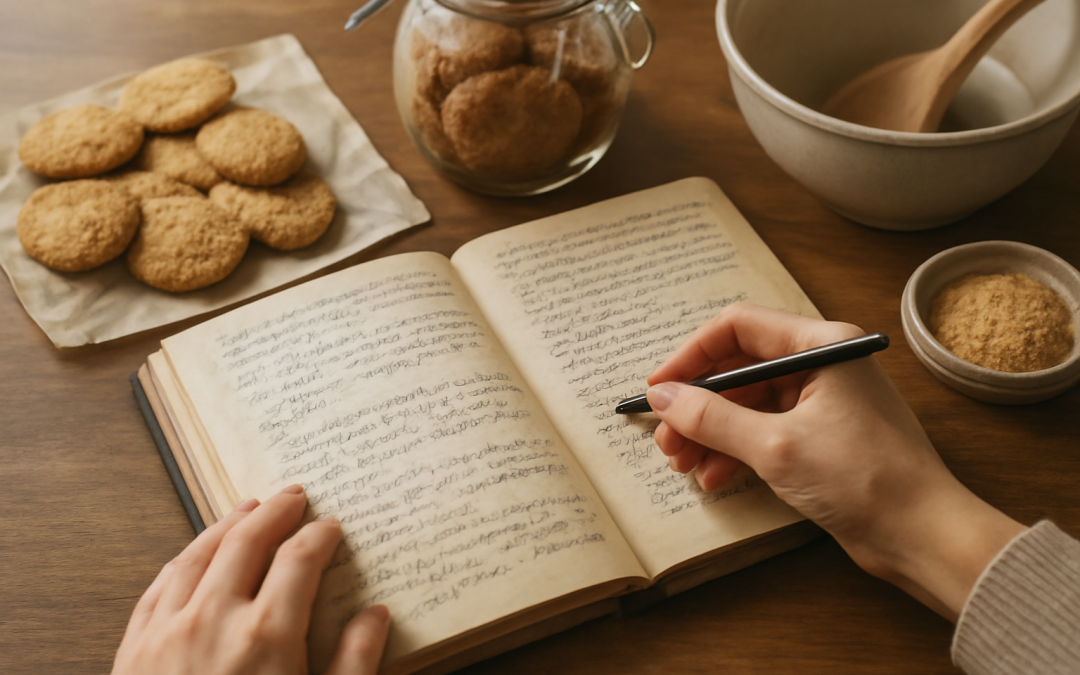
To effectively preserve these culinary treasures, it is important to document them accurately while allowing room for personal variations. Many families still rely on handwritten notes or faded recipe cards, often tucked inside cookbooks or stored in drawers, which can be susceptible to damage or loss. Digitizing these recipes by typing them into a document, photographing original cards, or even creating family recipe blogs helps guard against deterioration and makes sharing with distant family members easier. Furthermore, recording anecdotes, cooking tips, and the stories behind each dish enriches the recipe, transforming it from a mere set of instructions to a meaningful narrative.
The process of collecting and preserving family recipes can also serve as an opportunity to bring relatives together. Family reunions or special cooking days, where different members contribute recipes and share cooking techniques, can become joyous occasions full of laughter, learning, and rediscovery. These gatherings foster intergenerational dialogue and provide younger members with firsthand experience of traditional cooking methods, ensuring that these invaluable skills are passed down through practice, not just paperwork. Such collaborative efforts often lead to a renewed appreciation of the culinary heritage, rekindling interest in dishes that may have been neglected over time.
Cultural diversity within families often enriches the range of recipes that merit preservation. In multicultural households, recipes may represent a blend of different culinary traditions, showcasing the fusion of flavors and adaptations made during immigration, travel, or intermarriage. Preserving these recipes acknowledges not only the personal history of the family but also broader social histories, connecting the family’s narrative to global contexts. By carefully documenting recipes from different cultural backgrounds and sensibilities, families contribute to preserving a multifaceted heritage that celebrates diversity and adaptation.
While preserving the recipes themselves is important, it is equally vital to sustain the knowledge of cooking techniques and ingredient selections that define these dishes. Many traditional recipes may assume a familiarity with certain preparation methods, cooking tools, or indigenous ingredients that younger generations might lack. Including step-by-step instructions, photographs, or videos that demonstrate techniques helps bridge the gap between generations. Ensuring that the nuances, such as the appropriate texture of a dough or the subtle aroma of toasting spices, are communicated enhances the likelihood that these recipes can be faithfully recreated in the future.
Another significant factor influencing the preservation of family recipes is the modern pace of life. As schedules become busier and convenience foods more tempting, the time and patience traditionally devoted to creating family dishes has dwindled in many households. This shift heightens the urgency of documenting recipes while memories and expertise are still vivid. Additionally, adapting recipes to contemporary lifestyles without compromising their soul is an art in itself. Substituting ingredients with healthier alternatives, adjusting cooking times for modern appliances, or converting measurements to metric or imperial units all contribute to making recipes accessible and relevant to today’s home cooks.
Considering the evolving palate of younger generations is essential as well. Food preferences change with exposure to different cuisines and dietary requirements, and a family recipe that once featured prominently in meals may lose favor. Instead of allowing these recipes to disappear, finding creative ways to adapt them—whether by modifying ingredients, presentation, or portion sizes—can breathe new life into these dishes. Encouraging experimentation around classic family recipes not only keeps traditions alive but also empowers each generation to make the recipe their own, ensuring continuity through transformation.
Emotional resonance plays an understated but powerful role in the preservation process. Food is frequently tied to feelings of comfort, nostalgia, and love, particularly when linked to significant family members such as grandparents or parents. Preparing and sharing a beloved family recipe evokes these sentiments, reinforcing emotional bonds and providing a sense of stability in times of change or loss. Recognizing this emotional dimension helps highlight why preserving family recipes is about more than culinary practice; it is about honoring relationships and legacy.
Challenges do arise when attempting to preserve family recipes. Some recipes are notoriously imprecise, relying on observational skills, instinct, or “a pinch of this” rather than exact measurements. Others might include ingredients no longer available or techniques that require uncommon skills, making replication difficult. In these cases, families may choose to supplement the recipe with comprehensive notes, offer alternatives, or consult older relatives to capture the essence of the dish. Persistence and collaboration are key to overcoming these obstacles, turning the preservation into a collective family project involving research, interviews, and trial-and-error cooking sessions.
The role of technology in preserving family recipes cannot be overstated in the current era. Mobile apps, websites, and social media platforms provide innovative ways to record, share, and celebrate these culinary traditions. Families can create digital cookbooks complete with photos and videos, conduct live virtual cooking sessions, or maintain social media groups dedicated to family food culture. These tools not only safeguard recipes from physical loss but also cultivate an interactive environment where members can exchange tips, modifications, and memories in real time, further strengthening connections and keeping traditions vibrant.
Beyond individual families, the preservation of recipes contributes to the broader cultural heritage and collective memory of communities and societies. Traditional family recipes often reflect regional agriculture, historical trade routes, religious practices, and seasonal cycles, capturing the essence of place and time. By documenting and sharing these recipes, families indirectly participate in cultural preservation, fostering an appreciation for culinary diversity and history. Engaging with local cultural organizations, heritage societies, or community cooking projects can also amplify the impact of preservation efforts and provide additional resources and platforms to celebrate family culinary legacies.
In educational contexts, family recipes can serve as powerful tools to teach younger generations about history, science, nutrition, and the arts. Cooking together offers experiential learning opportunities that engage multiple senses, making abstract concepts tangible and memorable. It also opens doors to conversations about cultural identity, migration, and personal stories linked to food. Introducing family recipes into formal or informal education initiatives can enrich curricula and foster meaningful intergenerational exchanges.
Ultimately, the act of preserving family recipes is an intentional choice to cherish the past while embracing the future. It requires effort, dedication, and an understanding that food is an ever-evolving expression of family love, culture, and creativity. By investing time in documenting recipes, sharing stories, embracing innovation, and nurturing emotional connections, families ensure that the flavors and traditions handed down to them will endure, delighting future generations and keeping their heritage alive at the family table.
As families continue to face rapid social changes and increasing global movement, the importance of preserving these culinary legacies grows stronger. Maintaining the knowledge and practice of family recipes stands as a testament to resilience, adaptation, and the enduring power of shared experience. It is a celebration of identity and belonging, a tribute to ancestors, and an offering to those yet to come. In preserving the recipes of the past, families safeguard a piece of history that continues to nourish the body and soul, creating timeless bonds that can never be broken.