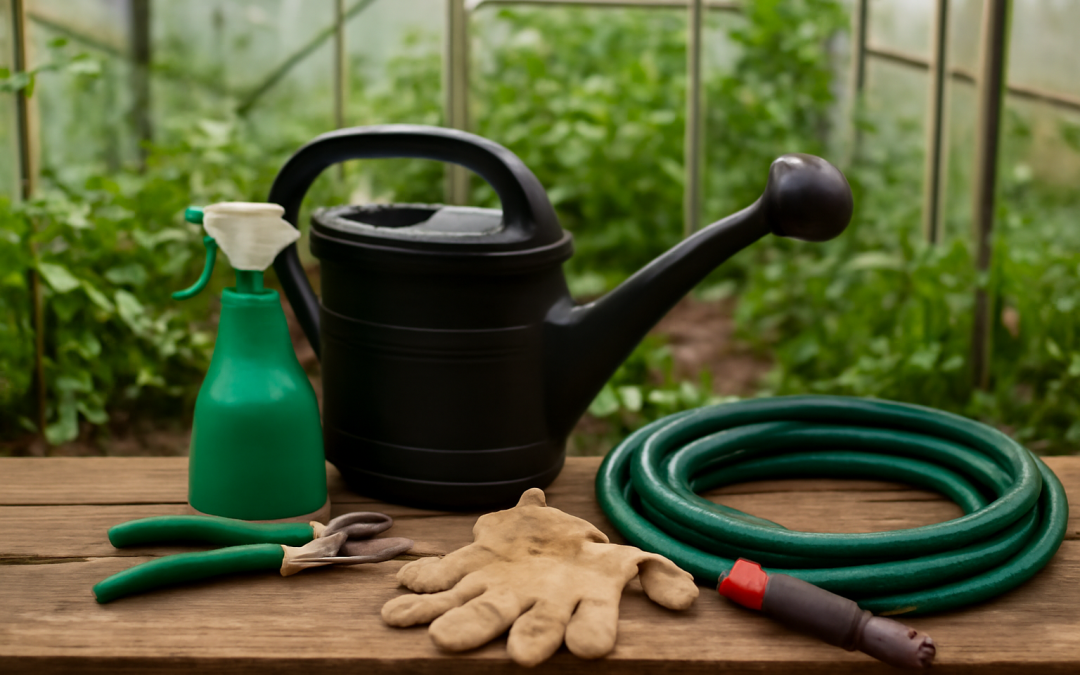
Maintaining a greenhouse is a labor of love that requires consistent attention, careful planning, and practical knowledge. A greenhouse is more than just a structure; it is a controlled environment designed to nurture plants, extending growing seasons and providing protection from adverse weather. However, its success depends heavily on proper upkeep. Without regular maintenance, even the most advanced greenhouse can quickly become inefficient, leading to poor plant growth, increased pest problems, and unnecessary energy costs. Understanding the essentials of greenhouse maintenance allows gardeners to optimize their growing conditions and enjoy healthier, more productive plants year-round.
One of the foundational aspects of greenhouse care involves keeping the structure itself in good repair. Regularly inspecting the frame, glazing, and seals is crucial as these components are constantly exposed to weather and temperature shifts. Damage such as cracked panes or worn-out rubber gaskets can lead to heat loss, draft issues, and water seepage, which compromises the environment inside. It’s important to replace or repair any broken glass, polycarbonate panels, or plastic films promptly. Likewise, checking for rust or weakness in metal frames, tightening loose screws, and ensuring door hinges and locks function properly contribute to maintaining a secure, stable enclosure.
Ventilation is another critical element of greenhouse maintenance that significantly affects plant health. Proper airflow helps regulate temperature, prevents the buildup of humidity, and reduces the risk of fungal diseases. Ventilation systems may include roof vents, side vents, exhaust fans, and circulation fans, each requiring routine checks to ensure they operate efficiently. Cleaning fans and mechanic parts, lubricating hinges, and clearing any obstructions from vents help maintain steady air movement. In addition, installing shade cloths or thermal screens can assist in moderating internal temperatures during hot months, protecting plants from heat stress while retaining warmth in winter.
Temperature control in a greenhouse is closely linked to both ventilation and heating systems. Automated climate control units have become popular for their ability to maintain precise conditions, but these systems still need regular monitoring and servicing. Thermostats should be calibrated, sensors cleaned, and heating elements inspected before the onset of colder weather to guarantee consistent warmth. Fuel sources for heaters, such as propane or natural gas, require safety checks and replenishment to avoid interruptions. For greenhouses using electric heaters, inspecting wiring for wear or damage is important to prevent hazards and inefficiencies. Seasonal preparations, including installing insulation or sealing gaps, also contribute to better temperature stability.
Maintaining cleanliness inside the greenhouse is a practice that cannot be overstated. A clean environment reduces the likelihood of pest infestations and disease outbreaks, which can rapidly spread in confined spaces. This includes regularly sweeping floors to remove plant debris and soil, cleaning pots, trays, and benches, and wiping down surfaces with mild disinfectants. Avoid using harsh chemicals that could harm plants or beneficial insects. Water systems such as drip lines, sprayers, and reservoirs need to be flushed and disinfected periodically to prevent algae and bacterial growth. Taking these steps creates a healthier atmosphere, encouraging robust plant development.
Water management plays a pivotal role in greenhouse maintenance as water quality and irrigation systems directly affect plant vitality. Installing a reliable irrigation system designed to deliver water efficiently reduces waste and limits conditions favorable for diseases caused by overwatering. Proven options like drip irrigation help regulate moisture at the root level, preventing fungal issues and soil compaction. Monitoring water sources to avoid contamination with harmful chemicals or salts is also essential. Many greenhouses rely on rainwater harvesting or filtered water to provide plants with the best hydration possible. Regular inspection of hoses, valves, and timers ensures irrigation systems perform without interruption.
Pest control within a greenhouse requires vigilance and integrated strategies to protect plants from insects, mites, and other unwanted visitors. Regular scouting for early signs of pests is the easiest way to prevent severe infestations. Physical methods such as sticky traps, barriers, and introducing beneficial insects help keep populations in check without resorting solely to pesticides. When treatments are necessary, selecting targeted, eco-friendly options is preferable to preserve the indoor ecosystem. Maintaining proper plant spacing and hygiene decreases hiding spots and reduces disease pressure. Additionally, rotating crops and cleaning tools thoroughly after each use reduces pest carryover between growth cycles.
Soil health is another essential consideration, often underestimated in greenhouse management. Growing media can become depleted of nutrients, compacted, or contaminated over time, affecting plant growth and disease resistance. Periodic replacement or replenishment of substrate mixes is important, as is testing soil for nutrient levels and pH balance. Incorporating compost or organic fertilizers improves soil structure and provides a slow-release food source to plants. Proper drainage must also be ensured to prevent waterlogging, which promotes root rot. For gardeners using containerized plants, sterilizing pots before reusing them prevents the buildup of pathogens.
Lighting is a vital yet sometimes overlooked aspect of greenhouse upkeep. While natural light usually suffices, supplemental lighting is often necessary, especially during shorter winter days or for plants with specific photoperiod requirements. Maintaining grow lights involves periodically cleaning bulbs and fixtures to remove dust and debris, ensuring they emit the maximum light intensity. Replacing aging bulbs guarantees consistent light quality, promoting photosynthesis and healthy growth. Positioning lights at appropriate distances from plants prevents burning or legginess. Timers and light sensors add convenience and efficiency, and these controls should be tested regularly for accuracy.
Record-keeping is a critical yet straightforward practice that supports all other aspects of greenhouse maintenance. Keeping detailed logs of planting dates, watering schedules, fertilization routines, pest treatments, and environmental conditions enables better decision-making and seasonal planning. Over time, these records reveal patterns that help optimize operations, prevent recurring problems, and adjust care practices for different crops. For commercial growers, accurate documentation is sometimes essential for compliance with agricultural standards or certifications. Even at the hobby level, maintaining a greenhouse journal fosters continuous learning and improvement.
Seasonal transitions demand special attention, as preparation can make a significant difference in plant survival and energy consumption. In the fall, cleaning the greenhouse thoroughly and removing spent crops help reduce overwintering pests and diseases. It is also the time to inspect equipment, restock supplies, and make necessary repairs before the cold sets in. During winter, insulating materials, thermal curtains, and supplemental heating help maintain steady conditions. Spring signals the opportunity for a fresh start, with checks on irrigation, ventilation settings, and planting schedules. Aligning greenhouse adjustments with seasonal changes enhances growing success year after year.
Investing time and resources into a routine greenhouse maintenance schedule pays dividends in the long run. Regular inspections, cleaning, and repairs prevent small issues from escalating into major problems that demand costly fixes. Such consistency enhances energy efficiency by minimizing heat loss and optimizing climate controls, reducing operational expenses. Healthy, pest-free plants not only improve yields but reduce the need for chemical interventions, fostering a safer and more sustainable environment. The sense of stewardship nurtured by careful maintenance resonates with the very purpose of greenhouse gardening—the ability to create a thriving sanctuary for plants regardless of external conditions.
In summary, mastering the essentials of greenhouse maintenance involves a comprehensive approach that addresses structural integrity, environmental controls, cleanliness, pest management, soil health, and thoughtful record-keeping. Each component interacts to create a balanced ecosystem where plants can flourish. Understanding and implementing these practices allow gardeners to maximize their greenhouse’s potential as a productive habitat, extending growing seasons and enriching their horticultural experience. Dedicated care transforms a simple enclosure into a dynamic and efficient growing space capable of supporting vibrant, healthy plants throughout the year.