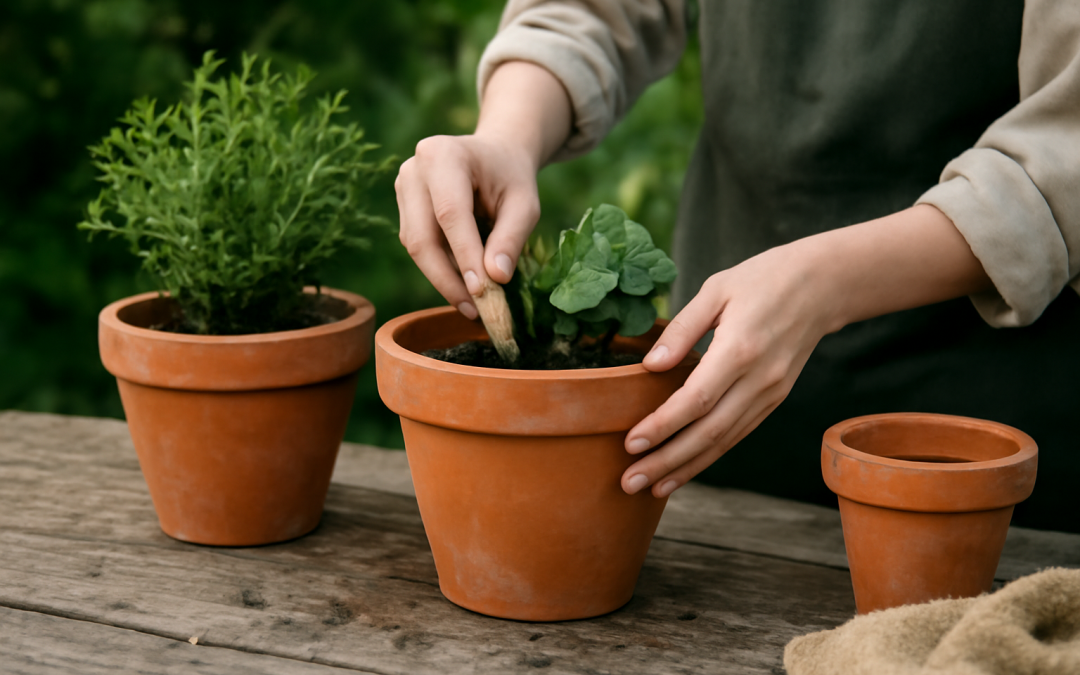
Maintaining pots and planters is an essential aspect of successful gardening that often goes overlooked. While much attention is given to the plants themselves, the containers that house them play a crucial role in their growth and longevity. Proper pot and planter maintenance not only ensures that your containers look attractive and last longer but also helps create a healthier environment for plant roots. Neglecting this can lead to deterioration of the container material, poor drainage, pest infestations, and ultimately stress or disease in your plants. By adopting consistent care routines and addressing common issues promptly, gardeners can extend the lifespan of their pots and keep their plants thriving year after year.
One of the most fundamental practices in pot and planter maintenance is cleaning. Over time, dirt, mineral deposits, algae, and other residues can build up on the surfaces of your containers, especially if they are reused from season to season. These residues are more than just an eyesore; they can harbor pathogens, pests, and fungi that may infect new plants. A thorough cleaning with warm, soapy water removes surface grime, while a diluted bleach solution can help eliminate harmful microorganisms. It’s important to rinse containers well after cleaning to prevent any chemical residues from damaging plants. Even plastic pots that seem indestructible benefit from an occasional deep clean as buildup can impair drainage holes and the overall health of the root system.
In addition to cleansing, inspecting pots regularly for signs of damage is crucial for their longevity. Many planters, especially those made from clay or terracotta, are prone to cracking due to temperature fluctuations or rough handling. Cracks may allow soil and moisture to leak out, destabilizing the plant and creating breeding grounds for pests. Plastic pots can degrade and become brittle over time, particularly if exposed to intense UV light. Ensuring that drainage holes remain clear and functional is equally vital since blocked holes can lead to waterlogged roots and root rot. Repairing minor cracks with waterproof sealants or replacing broken containers promptly can prevent small problems from escalating and preserve the structural integrity of your gardening setup.
Another key element in pot and planter upkeep is the proper storage of containers during off-seasons or inclement weather. Improper storage can accelerate wear and tear, especially for delicate materials such as ceramic or untreated wood. Storing pots in a dry, temperature-controlled environment prevents moisture accumulation that leads to mold and mildew growth. If planters must be left outside, elevating them off the ground and covering them with a breathable tarp protects against water damage and freezing cycles. Consider stacking plastic pots inside one another to save space but avoid cramming that causes warping. Thoughtful storage not only preserves your collection but also minimizes the risk of contamination when pots are reused for new plants.
Soil and root care within the pot is another critical factor in maintaining planter health. Over time, soil can become compacted, depleted of nutrients, and crowded with roots, reducing its ability to support plant growth. Removing old soil and thoroughly cleaning the pot before every replanting cycle helps prevent the buildup of soil-borne diseases and salt deposits from fertilizers. Depending on the size of the planter and type of plant, repotting every one to two years refreshes the growing medium and encourages root health. Adding appropriate drainage layers, such as gravel or broken pottery shards, can further improve water flow and prevent root rot. Monitoring the soil’s condition directly impacts the planter’s functionality and the vitality of the plants it contains.
Material-specific care routines also contribute to the longevity of pots and planters. Clay and terracotta pots, while aesthetically pleasing, are porous and vulnerable to crumbling in freezing weather. Applying a sealant to the interior or choosing frost-resistant varieties can extend their lifespan. For wooden planters, regular treatment with wood preservatives or linseed oil maintains their moisture resistance and prevents rot. Plastic pots benefit from UV-protective sprays that reduce brittleness caused by sun exposure. Metal containers, though durable, require rust prevention treatments and should be lined to prevent direct soil contact that accelerates corrosion. Understanding the properties of each material helps gardeners implement targeted maintenance practices that maximize pot durability.
Drainage is a critical aspect that directly influences the health of plants and the maintenance of the pots themselves. Ensuring that drainage holes remain unobstructed prevents water from pooling at the roots, which can lead to rot and fungal infections. Sometimes holes can become clogged by compacted soil or mineral deposits, so periodically checking and clearing them with a wire or small tool is a worthwhile practice. Adding a layer of mesh or landscape fabric over drainage holes before adding soil can reduce blockage without impeding water flow. Proper drainage not only benefits the plants but also helps excess moisture from damaging the structure of the pot, particularly in materials like unglazed clay that can absorb water and degrade over time.
Regular inspection for pest infestation is another vital component of pot and planter maintenance. Containers may become a hiding place or breeding ground for insects such as fungus gnats, spider mites, or even ants. These pests can harm plants or spread diseases, especially if the potting medium is kept too moist or infested soil is reused. Cleaning pots thoroughly before repotting eliminates the risk of transferring pests, and treating infested containers with insecticidal soap or natural remedies prevents the problem from worsening. Monitoring pots for signs of pests, such as webbing, holes, or unusual plant symptoms, allows gardeners to take swift action and protect their green investments.
Over time, planters can also suffer from aesthetic wear and discoloration caused by algae, moss, or mineral deposits. While this is primarily a cosmetic issue, it can also indicate excessive moisture retention or poor drainage. Periodic scrubbing with a brush and appropriate cleaning agents rejuvenates the pot’s appearance and prevents slippery surfaces that can cause accidents during handling. Staining due to mineral buildup from tap water or fertilizers can be minimized by using distilled water or periodically flushing the soil with plain water. Maintaining an attractive appearance not only enhances the garden’s overall look but also motivates gardeners to keep up with necessary maintenance routines.
The choice of potting material impacts maintenance frequency and techniques as well. Lightweight plastic containers are easy to clean and store but may require frequent replacement due to UV degradation. Heavy ceramic pots are durable but prone to cracking and require winter protection. Wooden planters offer a natural aesthetic but need regular sealing and are vulnerable to rot without proper care. Terracotta provides breathability for plant roots but needs attention to prevent crumbling over time. Metal pots are sturdy but must be monitored for rust and often lined to protect roots from temperature extremes. Knowing the strengths and weaknesses of each type empowers gardeners to select and care for pots effectively, balancing functionality with aesthetic preferences.
Many gardeners underestimate the importance of rotating or repositioning pots throughout the growing season. Constant exposure to direct sunlight or wind on one side can cause uneven weathering or fading of pots, especially plastic and ceramic varieties. Rotating containers periodically ensures even sun exposure and reduces the risk of localized damage. This practice also encourages balanced plant growth by exposing all sides of the plant to light. Additionally, moving pots to improve air circulation around them prevents mold buildup and helps keep pots drier, reducing the chances of degradation. Small habits like rotating planters can significantly improve their lifespan and the health of the plants they shelter.
In colder climates, the transition from one season to another demands special attention to pot and planter maintenance. Freezing temperatures cause water trapped within pots—particularly porous materials like terra cotta or unglazed clay—to expand, potentially cracking or shattering the container. Before the onset of winter, removing plants and draining excess water help protect pots from freeze damage. Insulating pots or moving them indoors to frost-free storage can also be effective. Some materials tolerate freezing weather better than others, but even durable plastic or metal containers benefit from winter care. Failing to prepare pots for seasonal changes often results in costly replacements and can disrupt planting schedules come spring.
Fertilizer and soil management also influence pot longevity indirectly but importantly. Over-fertilization can cause salt accumulation in planters, leading to soil crusting that obstructs water flow and damages roots. This buildup can also harden on the inner surfaces of pots, especially plastic or ceramic, affecting their appearance and moisture regulation capabilities. Periodic flushing of soil with plain water helps leach excess salts and maintain a balanced growing environment. Replacing or refreshing soil regularly ensures nutrient availability and prevents compaction, which stresses plants and increases the risk of root-bound conditions that can damage both plants and containers. A healthy balance of nutrients within containers is essential for the plants and the pots to remain functional and attractive over time.
Moisture management practices extend beyond drainage and cleaning. Overwatering plants in pots often leads to persistent moisture retention in the soil that stresses roots and accelerates pot deterioration. Clay and terracotta, in particular, absorb water from the soil and can slowly weaken with prolonged exposure to damp conditions. Using moisture meters or understanding the water needs of specific plants helps prevent overwatering. Additionally, choosing the right pot size for the plant reduces excessive soil moisture, as too large pots retain more water than the root system can use. Incorporating good watering habits and appropriate container selection supports both plant health and pot preservation.
To maintain pots effectively, investing in a few essential tools significantly eases the routine. Brushes with stiff bristles help remove dirt and mineral deposits without damaging delicate surfaces. Small picks or needles clear drainage holes thoroughly. Soft cloths and non-abrasive sponges protect finishes while cleaning. For wooden planters, brushes combined with appropriate wood care products enable regular treatment and preservation. By having the right tools on hand, gardeners can complete maintenance tasks more efficiently and with better results. Proper upkeep becomes less daunting, encouraging consistent care over time.
The practice of labeling pots during repotting is a small but helpful maintenance habit. Identifying what plant was previously in a container helps prevent diseases from spreading due to pathogens lingering in the soil or pot surfaces. Keeping records of soil type, fertilizer applications, and watering schedules can also guide future plantings, helping avoid mismatches that stress plants and planters alike. Labels can be made from durable materials resistant to water and UV exposure to last through seasons. Organized maintenance like this supports a smarter, more sustainable approach to pot and planter management.
In addition to cleaning and repairing, periodically refreshing the pot’s surface contributes to its lifespan. Sealing unglazed pots with breathable sealants prevents water absorption and enhances weather resistance. Applying paint or protective coatings on wooden planters protects against sun damage and moisture intrusion. Even plastic pots can be revitalized using specialized cleaners or UV stabilizing treatments that reduce color fading and cracking. These protective measures act as a barrier against environmental damage, extending the functional life and appearance of containers considerably.
A final consideration in pot and planter maintenance involves sustainable disposal and recycling. When pots reach the end of their usable life, discarding them responsibly benefits both gardens and the environment. Many plastic pots can be recycled through specific programs supported by garden centers or municipalities. Broken terracotta or ceramic pots are perfect for drainage layers in other planters or as base material in garden beds. Wooden containers can often be composted or repurposed as garden markers or pathway edges. Embracing sustainability in pot management reduces waste while supporting ongoing gardening activities.
Through diligent care and attention to the specific needs of pots and planters, gardeners can greatly extend the usefulness and beauty of their containers. Routine cleaning, inspection, proper storage, and material-appropriate treatments ensure that pots remain strong and functional. Addressing drainage, avoiding pest problems, managing soil health, and protecting containers during seasonal transitions enhance both plant health and container longevity. When pots are treated as valuable gardening assets rather than disposable items, the investment in their maintenance pays off with years of aesthetically pleasing and productive use. A well-maintained container garden is a testament to the gardener’s dedication and knowledge, providing satisfaction beyond the plants themselves.