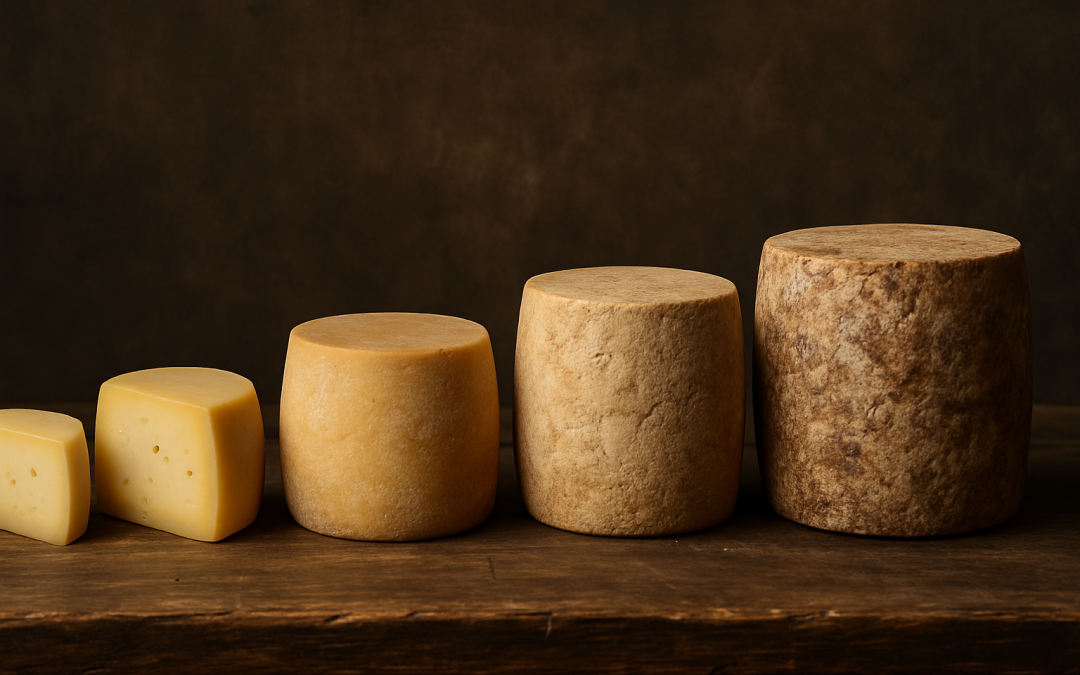
Cheese aging has been a transformative process throughout human history, gradually evolving from simple preservation techniques into a sophisticated art and science that defines the very essence of many cheeses. The journey of maturing cheese, once primarily a means to extend shelf life, has become integral to developing complex flavors, textures, and aromas that captivate palates worldwide. This evolution reflects not only advances in food technology but also a deeper understanding of microbial activity and environmental influences on dairy products.
In the earliest days, cheeses were aged out of necessity. Without refrigeration, raw milk was prone to spoiling quickly, so people sought methods to preserve it. Ancient civilizations discovered that by allowing cheeses to dry or ferment under certain conditions, they could create products that lasted longer and were safer to consume. These early aging processes were relatively simple, relying on natural air currents and ambient temperatures, which varied greatly depending on geography and season. Such conditions produced a wide range of cheese varieties, though the control over the aging environment was limited.
As societies advanced, cheese aging techniques gradually became more refined. The development of cellars, caves, and controlled environments marked a significant turning point. These spaces provided consistent temperature and humidity levels ideal for aging. The discovery that different microbes could be harnessed to influence the cheese’s ripening brought a new level of craftsmanship. Cheesemakers began to introduce specific molds and bacteria either deliberately or by taking advantage of natural inoculation from cave walls or wooden shelves, leading to distinct characteristics in color, texture, and flavor. Blue cheeses, bloomy rind cheeses, and washed rind varieties all owe their unique qualities to such microbial activity.
Parallel to these microbial insights, advancements in dairy farming and milk processing also influenced aging practices. The introduction of pasteurization, while initially controversial among traditionalists, allowed producers to start with a more standardized base material. This innovation helped in creating consistent products, which in turn necessitated precise aging protocols to achieve the desired end result. In some cases, pasteurization altered the natural balance of microbes, leading to new challenges and opportunities in the aging process. Cheesemakers adjusted parameters such as aging duration, frequency of rind washing, and environmental factors to maintain the cheese’s quality.
The concept of terroir, initially linked to wine, gained prominence in cheese aging as well. The recognition that the local environment—the combination of climate, soil, vegetation, and microbial ecosystems—affects the flavor profile of the cheese has reinforced the importance of aging conditions. Specific regions became synonymous with particular cheeses, such as the caves of Roquefort or alpine huts for Gruyère, where the natural aging environment is an inherent part of the cheese’s identity. This regional specificity highlights how aging is not a generic process but a precise craft shaped by local traditions and natural factors.
Modern science has further unraveled the complexities behind aging. Researchers study the biochemical transformations that occur during maturation, including protein breakdown, fat metabolism, and microbial succession. These changes create flavor compounds ranging from savory umami notes to earthy undertones and even sweet, fruity hints. By understanding these processes, cheesemakers have optimized aging conditions to enhance desirable traits and minimize defects. The rise of temperature- and humidity-controlled laboratories offers unprecedented precision, where factors like airflow and microbial contamination can be meticulously managed.
Simultaneously, technology has enabled innovative approaches in aging that push the boundaries of tradition. For example, some producers experiment with rapid aging techniques using engineered enzymes or specialized aging chambers that mimic traditional cave conditions but accelerate the maturation process. While these methods can reduce time and cost, they often spark debate about authenticity versus efficiency. Nonetheless, such innovations broaden the possibilities for cheese aging and offer solutions in catering to growing demands for artisanal quality on a larger scale.
Cultural and gastronomic trends also influence how cheese aging evolves. Consumers have become more discerning and adventurous, eager to explore rare and aged varieties that offer unique sensory experiences. This demand encourages artisanal cheesemakers to experiment with extended aging periods, sometimes lasting several years, producing cheeses with intense flavors and crystalline textures that command premium prices. Aging is no longer just about preservation but about elevating the cheese into a luxury product suited for paired tastings with wines, spirits, and gourmet accompaniments.
The globalization of food culture plays a role in the spread and adaptation of aging methods. Traditional techniques travel across continents, inspiring new blends and hybrid cheeses aged under unconventional conditions. Producers in diverse climates replicate cave-like environments using modern technology, while incorporating local microbial flora to create novel flavor profiles. The blending of old-world traditions with new-world innovation reflects a dynamic process where cheese aging continues to grow in sophistication and creativity.
Sustainability has also emerged as an important consideration in the evolving landscape of cheese aging. Environmental awareness prompts many cheesemakers to adopt eco-friendly aging facilities that reduce energy consumption and limit waste. Additionally, aging rooms are designed to promote natural microbial ecosystems without relying heavily on chemical treatments or artificial controls. This alignment with environmental stewardship resonates with consumers who value not only the sensory qualities of cheese but also the ethical stories behind its production.
In examining the trajectory of cheese aging, it is clear that the process is deeply intertwined with broader historical, scientific, and cultural developments. From humble beginnings aimed at preservation to today’s intricate practices that express terroir and craftsmanship, aging embodies a blend of tradition and innovation. It reveals a profound connection to both nature and human ingenuity, capturing a remarkable spectrum of flavors and textures that continue to evolve as knowledge and technology advance.
Ultimately, the ongoing refinement of cheese aging methods highlights a universal pursuit of excellence in food. The dedication to mastering this art form ensures that cheeses are not merely sustenance but masterpieces that tell stories of place, time, and culture. The passion and precision behind the aging process celebrate the rich heritage of cheesemaking while embracing future possibilities, guaranteeing that the allure of aged cheese will endure as a cherished culinary treasure for generations to come.