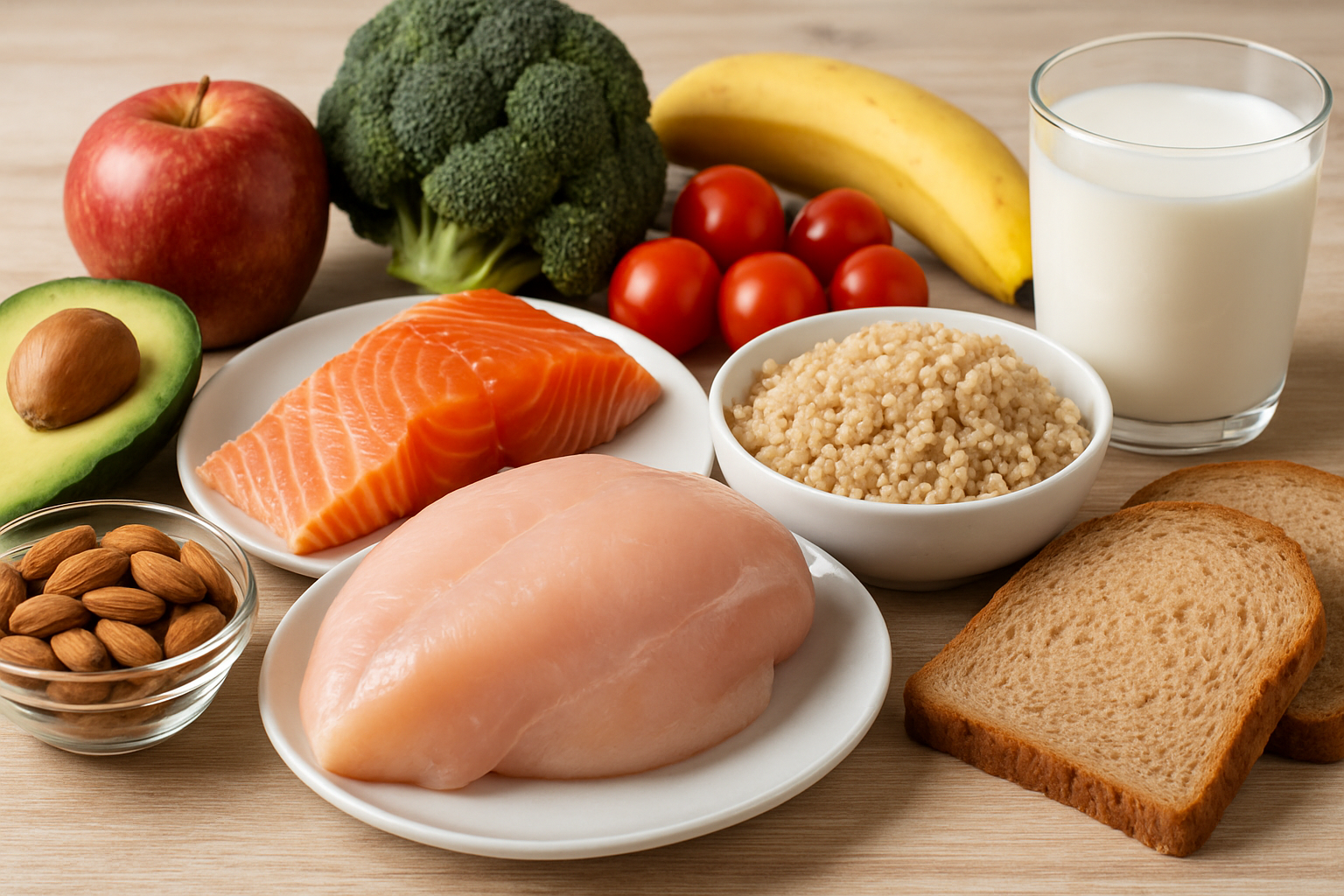
Eating well is a fundamental aspect of maintaining good health and overall well-being. A balanced diet provides the body with the essential nutrients it needs to function optimally, support growth, repair tissues, and supply energy. Understanding the basics of a balanced diet opens the door to making informed food choices that promote long-term health while preventing chronic diseases such as heart disease, diabetes, and obesity. By focusing on the quality and variety of foods consumed daily, individuals can craft meals that not only satisfy hunger but also nourish the body thoroughly.
At its core, a balanced diet combines different food groups in appropriate portions to ensure the intake of carbohydrates, proteins, fats, vitamins, and minerals is adequate. Each of these nutrients plays a unique role in sustaining bodily functions. Carbohydrates serve as the primary energy source, fueling everything from brain activity to physical movement. Proteins are the building blocks for muscles, enzymes, and cellular structures, vital for growth and repair. Healthy fats contribute to brain health, hormone production, and the absorption of fat-soluble vitamins. A diet lacking in any of these components can lead to deficiencies, weakened immunity, or decreased energy levels.
Fruits and vegetables form a substantial part of a balanced diet, delivering an array of vitamins, minerals, and dietary fiber. The diversity in color and type of produce reflects the spectrum of nutrients they provide. For instance, leafy greens are rich in iron and calcium, while orange and red vegetables offer beta-carotene, a precursor to vitamin A. Fiber, abundantly found in these plant-based foods, supports digestion, helps regulate blood sugar, and contributes to a feeling of fullness, which can aid in maintaining a healthy weight. Including at least five servings of fruits and vegetables daily is generally recommended to maximize these benefits.
Whole grains play a critical role by offering fiber along with essential B vitamins and minerals such as iron and magnesium. Unlike refined grains, whole grains retain the bran and germ, parts of the grain that contain many nutrients and antioxidants. Foods such as brown rice, whole wheat bread, oats, and quinoa fall into this category and assist in reducing the risk of heart disease and type 2 diabetes. The fiber content in whole grains also helps improve digestion and stabilizes blood sugar levels by slowing down the absorption of carbohydrates.
Protein sources should be varied to include both animal- and plant-based foods. Lean meats, poultry, fish, eggs, legumes, nuts, and seeds collectively provide a range of amino acids required for tissue repair and immune function. Fish, especially fatty types like salmon and mackerel, are excellent sources of omega-3 fatty acids that support cardiovascular health. Plant-based proteins such as beans, lentils, and chickpeas also bring fiber and various micronutrients. Incorporating a mix of these sources ensures a balanced intake of nutrients and can cater to different dietary preferences or restrictions.
Fats often have a bad reputation, but they are essential when consumed in the right types and amounts. Healthy fats found in avocados, olive oil, nuts, and seeds contribute to brain function, help reduce inflammation, and assist in the absorption of vitamins A, D, E, and K. Trans fats and excessive saturated fats, typically found in processed foods and fried items, should be minimized as they can increase the risk of heart disease. Learning to differentiate fats and making smarter choices can significantly improve health outcomes.
Hydration is another vital component frequently overlooked when discussing nutrition. Water supports virtually every bodily function, from temperature regulation to joint lubrication and waste elimination. While beverages like tea, coffee, and milk can contribute to hydration, plain water remains the best option. Drinking sufficient water throughout the day also promotes satiety and can prevent overeating. The amount needed varies based on age, activity level, climate, and individual health, but a general guideline is about eight eight-ounce glasses per day.
Portion control and meal timing are equally important in building a balanced diet. Eating a variety of nutrient-rich foods in moderation helps maintain steady energy levels and a healthy metabolism. Overeating, even nutritious foods, can lead to weight gain and metabolic overstress. Regular meals and snacks spaced evenly throughout the day prevent extreme hunger, which often leads to poor food choices or overeating. Developing mindful eating habits, such as paying attention to hunger cues and eating slowly, enhances the body’s ability to regulate energy intake.
Limiting added sugars and sodium is another critical aspect of a balanced diet. Excessive sugar intake is linked to weight gain, increased risk of diabetes, and dental problems. Processed snack foods, sugary beverages, and desserts are common sources of hidden sugars. Meanwhile, high sodium intake, primarily from processed and fast foods, can contribute to hypertension and cardiovascular issues. Using herbs, spices, and natural flavorings can reduce the reliance on salt and sugar while enhancing meal taste and enjoyment.
For individuals with specific health conditions, dietary needs may vary, making personalization key. For example, athletes may require increased protein and carbohydrates to support intense physical activity, whereas people with diabetes must carefully monitor carbohydrate intake to maintain blood sugar control. Consulting healthcare professionals or registered dietitians can help tailor dietary recommendations to fit personal health goals, lifestyle, and medical considerations.
Cultural preferences and food availability also play significant roles in shaping a balanced diet. Foods that fit within traditional eating patterns and are locally accessible increase the likelihood of long-term adherence. Embracing cultural diversity in food choices can enrich nutrient intake and make the diet more enjoyable. At the same time, minimizing reliance on processed convenience foods encourages a greater emphasis on fresh produce and whole foods.
Meal planning and preparation can make adopting a balanced diet more feasible and sustainable. Setting aside time to plan meals helps ensure a variety of food groups are included and reduces the temptation of quick, unhealthy options. Cooking at home allows control over ingredients and portion sizes while fostering a deeper connection with food. Simple cooking techniques such as steaming, grilling, or roasting preserve nutrients and enhance flavor without excessive added fats or sodium.
Children and adolescents require special attention when it comes to diet, as proper nutrition supports growth, cognitive development, and long-term habits. Encouraging balanced meals that include all food groups can prevent nutrient deficiencies and promote lifelong healthy eating patterns. Involving young people in meal preparation and providing a variety of foods helps cultivate a positive relationship with food and reduces the risk of picky eating.
In addition to food choices, lifestyle factors such as physical activity influence the effectiveness of a balanced diet. Regular exercise complements nutrient intake by improving cardiovascular health, building muscle mass, and boosting metabolic rate. Combining a nutritious diet with an active lifestyle maximizes health benefits and supports mental well-being.
Mental and emotional health can also affect eating behaviors. Stress, boredom, and emotions may lead to overeating or unhealthy food choices. Developing strategies such as mindful eating, seeking social support, and managing stress through relaxation techniques contributes to maintaining a healthy diet and overall wellness.
Ultimately, a balanced diet is more than just a set of rules; it is a flexible framework that encourages mindful, nutritious eating tailored to individual needs and preferences. By focusing on variety, moderation, and quality, people can enjoy food while building a solid foundation for health. The lifelong benefits of proper nutrition extend beyond physical health to enhance energy, mood, and productivity, shaping a fuller and more vibrant life. Adopting balanced eating habits gradually and consistently ensures they become an integral part of everyday living rather than a temporary fix.