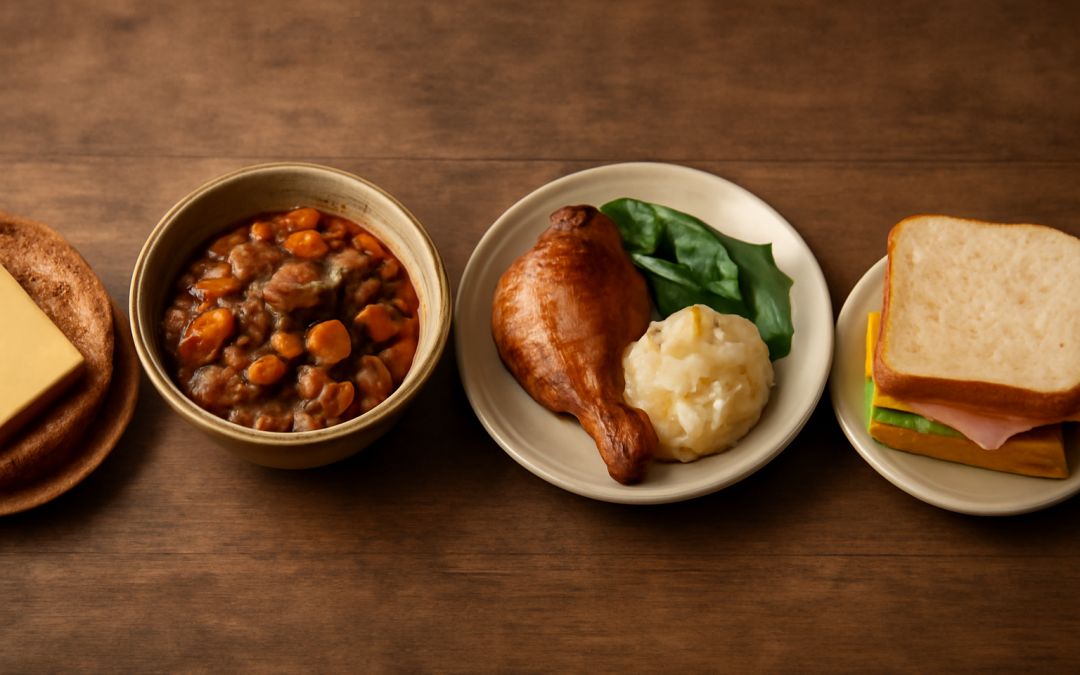
Throughout human history, the concept of a midday meal has evolved alongside changes in culture, society, and technology. What we now consider a simple lunch has its roots deeply embedded in traditions that date back millennia. From the humble gatherings of early agrarian communities to the elaborate feasts of aristocrats and the bustling cafeteria trays of the modern world, lunch meals through history tell a fascinating story about human civilization and its relationship with food.
In ancient times, the idea of eating three distinct meals a day was not universal. Early hunter-gatherer societies ate when food was available, often consuming what they could hunt or gather throughout the day rather than at scheduled times. However, with the advent of agriculture around 10,000 years ago, food became more predictable, leading to established meal patterns. Early farmers likely divided their day between farming tasks and eating, with the midday meal serving as a necessary break to replenish energy for the remaining work.
The ancient Egyptians, Greeks, and Romans helped shape early meal patterns, including lunch. The Egyptians had a midday meal that was substantial but not the largest of the day, as their primary meal often came in the evening. Greeks, with their appreciation for balance and simplicity, typically ate a light midday meal called “ariston,” consisting of bread, olives, cheese, and occasionally fish or meat. In Rome, the “cena” was the main meal and usually took place in the late afternoon or early evening, but the midday “prandium” was also common, especially among the working class. Prandium was a relatively light meal, sometimes consisting of cold leftovers, fruits, and bread.
Across medieval Europe, the social and economic structures heavily influenced the timing and composition of meals. The day was divided broadly into two main meals: a small breakfast in the early morning and a large midday meal known as “dinner,” which was often the day’s primary occasion for eating. This midday feast typically included bread, pottage (a thick stew), vegetables, and occasionally meat or fish, depending on the household’s status and resources. Medieval monks and workers adhered to this pattern, reflecting the day’s natural rhythm of labor and rest.
The evolution of lunch in the Renaissance and early modern periods reflected the changes in dining customs, urbanization, and increased trade. As cities grew and work became more specialized, the need for a distinct midday meal during the workday became apparent. In France, the term “déjeuner” originally meant the first meal of the day, but by the 17th century, it began to signify what we now call lunch. Elaborate lunches became a hallmark of the French court and nobility, complete with multiple courses and fine wines. Meanwhile, the working-class population commonly consumed simpler fare: bread, cheese, and cold meats, often eaten on the go.
The Industrial Revolution greatly accelerated changes in lunch habits across Europe and North America. The shift from agrarian lifestyles to factory work created a necessity for workers to have a quick, portable midday meal that could be eaten in limited time. This era saw the rise of packed lunches, including meat pies, sandwiches, and hard-boiled eggs, which could be carried to factories or fields. Public eating places such as taverns and inns also offered affordable midday meals catering to workers, introducing standardized dishes like pies, stews, and broths.
Victorian England offers an insightful look at the social stratification of lunch during the 19th century. The upper classes enjoyed multi-course luncheons in opulent dining rooms, featuring soups, roasts, and desserts, often accompanied by conversation and fine wines. Middle-class families might have a sit-down meal around midday but with simpler and less elaborate dishes. For laborers and children, lunch was generally a quick meal, often consisting of bread, cheese, or cake brought from home or purchased at local shops.
The advent of the modern sandwich in the 18th century, attributed popularly to John Montagu, the 4th Earl of Sandwich, revolutionized lunchtime eating. This convenient invention made lunch more accessible and portable, enabling workers and travelers to eat efficiently without interrupting their tasks. Over time, the sandwich became an iconic lunch meal, evolving to include a vast variety of breads, fillings, and condiments across cultures.
By the early 20th century, lunch had begun to take on a more standardized form in many parts of the world, particularly in urban centers. The concept of the “lunch break” gained importance as labor laws improved workers’ rights to a respite during the workday. Restaurants, cafeterias, and lunch counters flourished, offering pre-prepared meals such as sandwiches, soups, pies, and salads for customers needing quick nourishment. In workplaces, the packed lunch remained popular, often including thermally insulated containers to keep food warm or cool.
Post-World War II society brought further innovations in lunch culture. The rise of consumerism and fast food in the mid-20th century had a profound impact on how people ate. The growing popularity of convenience foods and the automobile enabled greater flexibility in dining. In the United States, the standardization of lunch menus and the introduction of fast-food chains made lunch an experience that mixed speed, accessibility, and uniformity. The iconic lunchbox with a thermos became a staple for schoolchildren, symbolizing the domestic angle of midday meals.
In many parts of Asia, lunch traditions also evolved in response to industrial growth and urban living. In Japan, the bento box became a lunchtime classic, combining a balanced assortment of rice, fish, meat, pickled vegetables, and fruit in a compartmentalized container. The bento system reflects a cultural emphasis on nutrition, presentation, and portion control. In contrast, street food stalls in countries like India and Thailand provide quick, flavorful lunches that are deeply rooted in local tastes and ingredients, allowing workers and students to enjoy affordable meals infused with spices and herbs.
The concept of lunch is further shaped by cultural practices around the world. In Mediterranean countries like Spain and Italy, the midday meal is often both the largest and the longest, centering on family and community bonding. The Spanish “comida” and Italian “pranzo” typically include multiple courses and may be followed by a rest period known as “siesta” in Spain, demonstrating the social and economic rhythm tied to the meal. This contrasts with the fast-paced, shorter lunch breaks common in Northern European and North American cultures.
Lunch in contemporary society continues to reflect broader trends in health, lifestyle, and culture. The increasing awareness of nutrition and well-being has led to more diverse and health-conscious lunch choices, from plant-based meals to international fusion cuisines. The rise of remote work and flexible schedules has also transformed lunch habits, allowing people to cook at home or enjoy meals at unconventional times. Moreover, global interconnectedness means that lunch options from around the world are more accessible than ever, from sushi rolls and falafel wraps to gourmet salads and artisan sandwiches.
Workplace culture, in particular, has a dynamic relationship with lunch. In many offices, lunch serves as more than just a break; it can be a social occasion, fostering team cohesion or providing opportunities for networking. Lunch meetings and casual dining reflect the blurring of work and socializing in professional environments. Meanwhile, the rise of food delivery services and meal subscription plans caters to busy lifestyles, blending convenience with gourmet experiences.
School lunch programs worldwide also have a significant historical and cultural dimension. From the early 20th-century efforts in America to improve child nutrition through school meals to government-supported lunch initiatives in various countries, these programs have played a vital role in shaping children’s health and social habits. The food provided often mirrors national identity and agricultural heritage while adapting to modern nutritional guidelines.
Sustainability and food ethics are increasingly important considerations shaping lunch in the 21st century. Concerns about food waste, environmental impact, and animal welfare have encouraged many to rethink lunchtime choices. Plant-based lunches, zero-waste meal prep, and locally sourced ingredients are gaining popularity among consumers seeking to align their meals with their values. Technologies such as meal apps and smart refrigerators contribute to reducing waste, further transforming lunch food consumption patterns.
In sum, the history of lunch meals reveals a continuous adaptation to the changing circumstances of human life. Whether influenced by technological innovation, economic development, social norms, or cultural values, the evolution of lunch reflects much more than just what people eat at midday. It offers a window into how societies function, how labor and leisure are balanced, and how individuals connect through shared traditions around the table. Understanding this layered history enriches the experience of today’s lunch and reminds us that each meal carries with it a story from the past as well as a promise for the future.