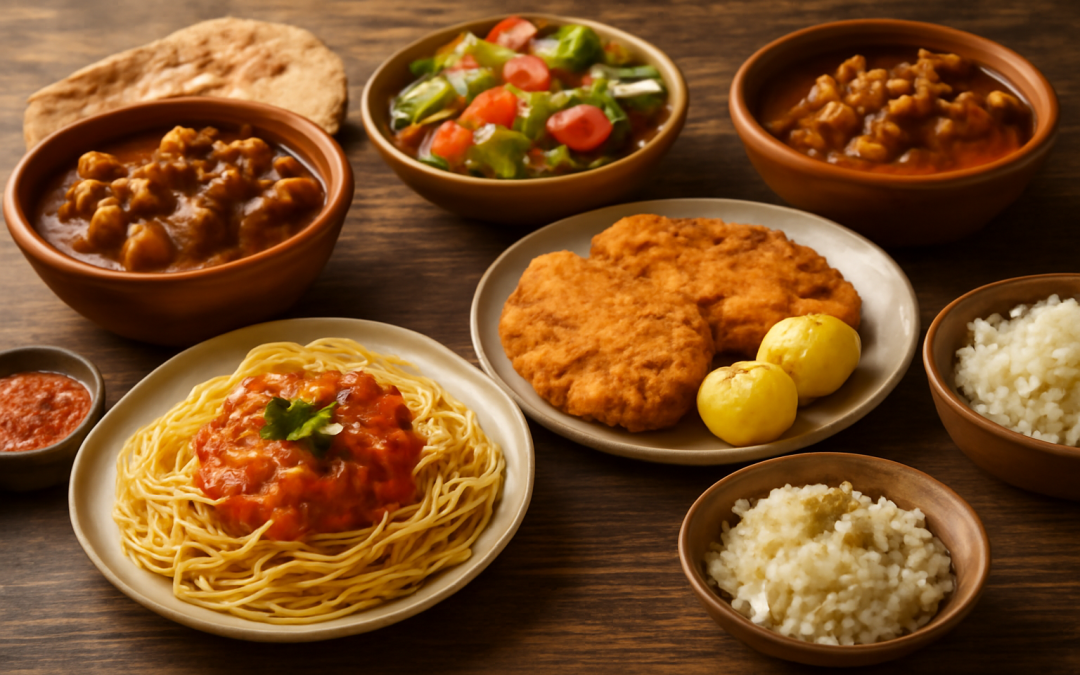
The foods that come to define a nation often carry more than just the flavors of a region; they embody the history, culture, environment, and values of a people. Certain dishes rise to prominence because they resonate deeply with national identity, offering a sense of shared heritage and pride. These culinary staples go beyond mere sustenance, becoming symbols through which citizens express their common roots and collective experience. Understanding why particular foods become national dishes requires exploring a complex interplay between geography, history, societal values, and economics.
At the heart of many national dishes lies the natural bounty of their land. Geography influences which ingredients are readily available and sustainable, shaping culinary traditions over generations. For example, countries with abundant coastline often feature seafood-rich dishes. Japan’s sushi and Norway’s rakfisk illustrate how proximity to the sea leads to unique preparations of marine resources that evolve into emblematic foods. Conversely, regions dominated by fertile plains and agriculture showcase hearty grain-based meals, as seen in Italy’s pasta or France’s baguette. The adaptation to local crops and conditions anchors these foods firmly to the national identity.
Historical context also plays an indispensable role in determining which foods ascend to national recognition. Many national dishes have origins tied to periods of colonization, trade, war, or migration, processes that introduced new ingredients and cooking techniques. Take the example of the Indian curry, whose current form reflects centuries of spice trade, invasions, and cultural exchange. Similarly, Mexico’s mole sauce tells a story woven with indigenous traditions and Spanish influences. These dishes function as edible chronicles, narrating a nation’s journey through time and its interaction with other cultures. Over time, the fusion of these elements creates something uniquely representative of the nation’s character.
Social factors contribute significantly to the elevation of certain foods as symbols of national pride. Communal eating habits, family traditions, and festival customs embed dishes into the societal fabric. For instance, the staple dish of Ireland, Irish stew, gained national dish status partly because it was historically consumed during gatherings where stories and songs reinforced cultural identity. In many cases, such foods are associated with celebrations or rituals that unify people, strengthening a collective sense of belonging. The importance of food in rituals, from harvest festivals to religious ceremonies, helps cement its role as a national emblem.
Economic circumstances often dictate the accessibility and popularity of a dish, influencing its rise to national status. Foods that are affordable, hearty, and capable of feeding large populations tend to become staples. For example, rice dishes like paella in Spain or pilaf in Central Asia flourished because rice was a cost-effective, high-yield crop. During times of scarcity or hardship, certain dishes persist because they sustain communities effectively, embodying resilience. This economic practicality ensures widespread adoption and enduring significance, eventually embedding the dish into the national psyche.
The role of political and cultural narratives in promoting national dishes cannot be underestimated. Governments and nation-building projects often leverage culinary heritage as a tool for fostering unity and patriotism. In some cases, states actively endorse a particular dish through tourism campaigns, national holidays, or educational initiatives, presenting it as a symbol of national identity. A notable example is Italy’s promotion of pasta and pizza worldwide as iconic Italian foods, which has helped solidify their global association with Italian culture. This deliberate institutional support can elevate certain foods beyond their regional origins to national and even international fame.
Another critical factor is the emotional attachment that people develop with these foods. Comfort, nostalgia, and personal memories tied to traditional dishes amplify their cultural resonance. These dishes often represent home, family warmth, and shared values across generations. For expatriates and diaspora communities, national dishes serve as tangible connections to their homeland, preserving identity in distant lands. This emotional connection fuels demand, transmission, and innovation, ensuring the dish remains vibrant and meaningful over time.
The integration of external influences also shapes the nature of many national dishes. As societies open to trade, migration, and globalization, new ingredients and cooking methods blend with indigenous practices. Over time, this fusion results in unique culinary creations that reflect the dynamic nature of culture. The Korean dish kimchi, for example, has ancient roots but has continuously evolved through external contacts, becoming both a staple food and a cultural icon. This adaptability allows national dishes to remain relevant and representative of a living, evolving identity.
Tradition and authenticity also play pivotal roles in solidifying certain foods as national staples. The protection of traditional recipes, cooking techniques, and ingredients through cultural regulations or popular consensus preserves the integrity of national dishes. In some countries, regulations surrounding the production of dishes like France’s Champagne or Spain’s Jamón Ibérico protect their authenticity while reinforcing their cultural significance. This safeguarding ensures that national dishes are not only culinary delights but also carriers of heritage and pride, resilient against dilution in a rapidly globalizing world.
In essence, the story behind why certain foods become national dishes is a tapestry woven from nature, history, society, economics, and identity. These dishes crystallize the essence of a nation, encapsulating its struggles, triumphs, environment, and soul. They provide common ground on which individuals from diverse backgrounds within a country can rally and celebrate their unity. Whether it’s a simple bowl of soup, a complex layered sauce, or a humble grain-based dish, these foods do more than nourish—they tell the story of a people.
The enduring power of national dishes lies in their ability to connect people across time and space, offering a sense of belonging and pride. As the world continues to shrink, and interactions among cultures intensify, the significance of these culinary symbols grows even stronger. They remind us of our roots amid change, preserving a taste of history and identity with every bite. Ultimately, the global recognition and deep emotional ties associated with national dishes highlight their indispensable role in shaping and expressing the human experience.