Maintaining the sharpness and overall condition of pruning tools is essential for anyone invested in gardening, landscaping, or horticulture. Sharp tools not only make the task of trimming and shaping plants more efficient but also contribute significantly to the health of the plants themselves. When pruning tools are blunt or poorly maintained, they can crush or tear stems and branches, leading to uneven cuts and increased vulnerability to disease. Therefore, dedicated care and regular sharpening of pruning tools are indispensable practices that enhance performance and extend the lifespan of the equipment.
The necessity of sharpening pruning tools lies in the very nature of their use. Unlike cutting paper or fabric, pruning involves slicing through fibrous, often woody plant material. Over time, repeated use dulls the blades, and this dullness results in increased effort to make cuts, uneven wounds on plants, and eventual frustration for the gardener. Moreover, a dull blade tends to cause more damage to the plant’s tissue, exposing it to pathogens and pests. This highlights the importance of keeping pruning tools sharp, not just for user comfort but also for the vitality of the plants being pruned. Proper sharpening can restore the blade to a factory-like edge, allowing clean, precise cuts that promote faster healing in plants.
Before sharpening can begin, it is essential to thoroughly clean the pruning tools. Residue from sap, dirt, and plant materials can hinder the sharpening process and dull the blade prematurely after sharpening. In some cases, it may be necessary to soak the tool in warm, soapy water to loosen hardened sap or dirt. After soaking, scrubbing the blade gently with a wire brush or steel wool can remove stubborn grime. It’s also advisable to disinfect the blades with a solution of household bleach or rubbing alcohol to prevent the spread of plant diseases. Cleaning not only prepares the blade for sharpening but also gives an opportunity to inspect the tools for any damage such as nicks, rust, or bent parts that may require repair before sharpening.
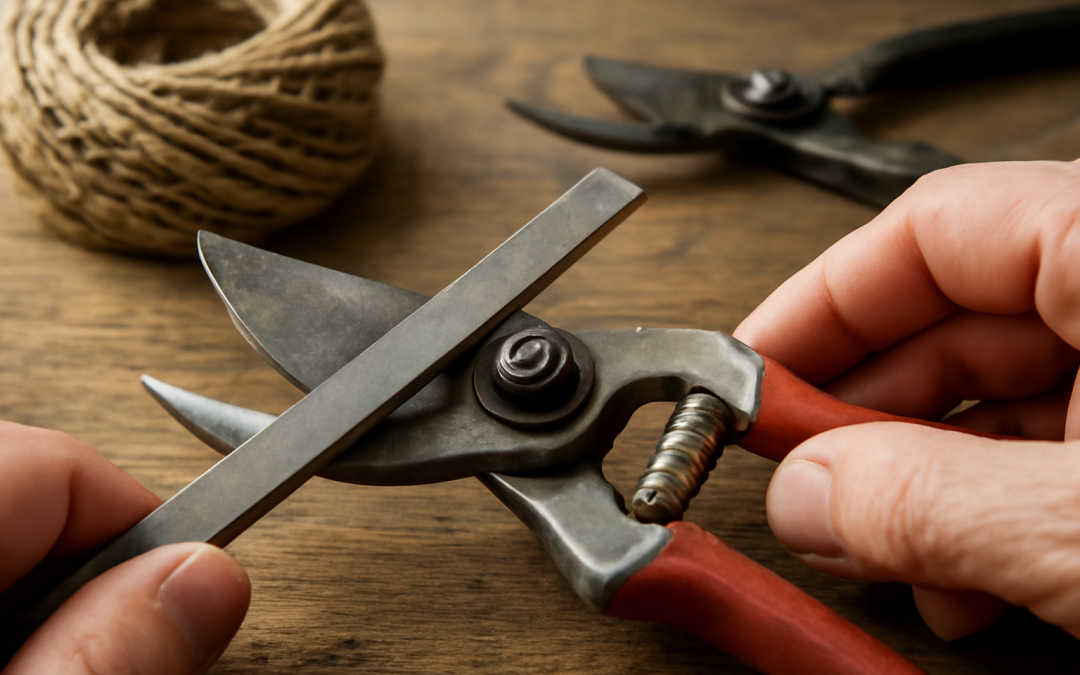
Once clean and dry, the choice of sharpening tools and techniques depends on the type of pruning tool in question. Common pruning instruments include bypass pruners, anvil pruners, loppers, and pruning saws, each requiring slightly different approaches. For bypass pruners and loppers, which rely on two sharp blades passing by each other like scissors, sharpening typically involves using a sharpening stone, diamond file, or a specialized sharpening tool. The blade should be sharpened along the beveled edge, maintaining the original angle — usually between 20 and 40 degrees depending on the brand and model. On the other hand, anvil pruners, which use a straight blade that cuts against a flat metal surface, often require only the cutting blade to be sharpened without altering the anvil.
Sharpening the blade with a sharpening stone requires patience and precision. The stone should be slightly lubricated with water or oil to reduce friction and carry away metal filings. Holding the blade firmly, you should stroke the bevel against the stone in a consistent, controlled manner, following the original angle of the cutting edge. It is crucial to sharpen in one direction to create a uniform edge rather than rocking the blade back and forth, which can damage the edge. Repeated strokes will eventually produce a keen edge; testing sharpness can be done gently by trying to slice through paper or pruning a thin stem. If done correctly, the cutting edge should be razor-sharp, capable of making clean cuts without tearing.
In some cases, a diamond file is useful for removing deeper nicks or tougher metal. It can be particularly effective for pruning saw blades, which have serrated edges that require individual sharpening on each tooth. Sharpening a saw is more intricate, demanding attention to the angle and shape of each tooth. A triangular file is typically used for saws, moving each tooth in a uniform manner to restore the saw’s cutting efficiency. Because improper sharpening can compromise the saw’s performance, many gardeners prefer to send their saws to professionals if they lack the experience or necessary tools.
After sharpening, it is important to hone the blade to smooth out any burrs or rough edges. This can be done with a finer stone or a leather strop, which polishes and refines the cutting edge, ensuring it is perfectly smooth for effortless slicing. Burrs, which are tiny metallic shards left on the edge after sharpening, can snag on plant tissue and cause tearing rather than clean cuts. Regular honing helps maintain a sharp edge for longer periods between full sharpenings.
Lubrication plays a vital role in the care of pruning tools beyond sharpening. After the blades are sharp and clean, applying a light layer of oil to the blade and pivot points helps protect against rust and ensures smooth operation. Commonly used oils include mineral oil, machine oil, or specialized garden tool lubricants. Oiling the moving parts reduces friction and prevents the tool from becoming stiff or squeaky. Additionally, oil helps repel moisture, which can cause corrosion, especially in environments with high humidity or after washing the tools.
Rust prevention is another cornerstone of effective pruning tool care. Rust not only dulls blades but weakens the metal, increasing the likelihood of breakage. Proper storage is key to preventing rust. Tools should be kept in a dry location, such as a toolbox, shed, or mounted rack. Wrapping blades in an oil-soaked cloth or using blade covers can provide additional protection. In case rust spots do develop, they should be promptly removed using fine steel wool or a wire brush followed by re-oiling the metal surfaces. Neglecting rust can lead to irreversible damage and diminish both the functionality and lifespan of the tools.
Regular maintenance routines help avoid the need for extensive sharpening or repairs. After each use, pruning tools should be wiped clean with a cloth to remove plant sap, dirt, and moisture. If sap is particularly sticky, a solvent such as rubbing alcohol or a commercial sap remover can be used. Inspecting the tools for signs of damage, looseness in the pivot bolt, or blade misalignment also ensures any small issues can be addressed early before they worsen. Tightening screws and bolts, replacing worn springs, and realigning blades keep the tools operating smoothly and safely.
Sharpening and care are especially important for gardeners who prune frequently or work with tough, woody plants. Neglecting tool maintenance can transform a pleasurable gardening activity into a frustrating chore plagued by dull cuts and damaged plants. Investing time in proper care not only improves the gardening experience but also promotes better outcomes for plant health, growth, and aesthetics. Clean, sharp tools help achieve precise cuts that encourage rapid healing and reduce stress on the plant, which is critical for disease prevention and long-term garden vitality.
For those who find sharpening challenging or lack the right tools, professional sharpening services provide an excellent alternative. Skilled technicians have specialized equipment and knowledge to restore even heavily worn blades to optimal condition. Sending tools for professional sharpening at least once per season, or more often with heavy use, can keep pruning instruments in peak condition without requiring the gardener to master the intricacies of sharpening. However, even when using such services, routine cleaning, oiling, and basic maintenance remain necessary to maintain tool longevity between professional visits.
In conclusion, diligent sharpening and care of pruning tools are fundamental to efficient, enjoyable, and productive gardening. Keeping blades sharp ensures clean cuts that protect plant health, while thorough cleaning and lubrication prevent damage resulting from rust or mechanical wear. Establishing a regular maintenance routine that includes proper cleaning, sharpening, honing, oiling, and safe storage will extend the life of pruning tools and enhance their performance. With attention to these practices, gardeners can confidently approach pruning tasks, knowing their tools are reliable, efficient, and conducive to the health of their plants and landscape.