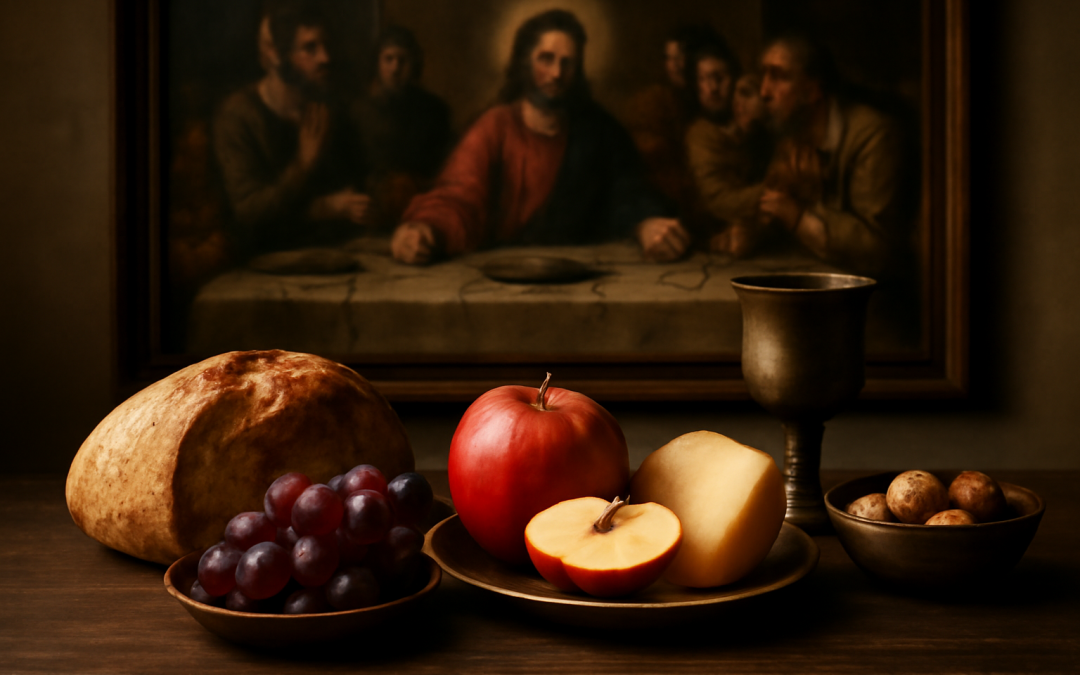
Food has long transcended its basic function of nourishment to become a profound and multifaceted symbol in artistic and literary expression. Throughout history, artists and writers have infused food with layers of meaning, using it as a bridge between the tangible and the abstract, the mundane and the divine, the personal and the universal. The depiction of food in creative works reveals rich cultural narratives, social dynamics, emotional states, and philosophical reflections. It acts as a lens through which we can explore identity, desire, power, and spirituality. Exploring the myriad ways food symbolism manifests in art and literature opens a window into the human experience, where every bite and feast carries stories far beyond sustenance.
In visual art, food often embodies themes of abundance and mortality. The tradition of still life painting, with its exquisite renditions of fruits, vegetables, and delicacies, conveys not only the richness of life but also its impermanence. The vanitas genre, prominent in the 16th and 17th centuries, used food to remind viewers of death and decay. A luscious bunch of grapes or a glistening piece of cheese might appear appetizing, yet their transient nature serves as a metaphor for human mortality. This dual symbolism—pleasure entwined with the inevitability of decline—invites reflection on the fragile balance between indulgence and awareness of life’s temporality.
Similarly, in literature, food functions as a powerful symbol that often communicates more than words can. It can reveal characters’ inner states or social positions without explicit description. For example, a simple meal may indicate poverty or modesty, while an extravagant banquet might symbolize wealth or corruption. Food scenes in narratives often mark critical emotional or transformative moments, such as reconciliation during a shared meal or alienation expressed through rejection of sustenance. Authors frequently employ food as a conduit for sensory experience, memory, and cultural identity, enabling readers to connect deeply with characters’ lives and environments.
Moreover, food imagery frequently carries spiritual or ritualistic connotations in both art and literature. Bread and wine, for instance, are potent symbols of communion in Christian iconography and literature, reflecting themes of sacrifice, community, and redemption. The act of breaking bread together signifies unity and fellowship, highlighting the social and sacred aspects of sharing food. Outside the Christian context, many cultures imbue food with sacred significance, embedding it within myths and rituals that affirm connections between humans, nature, and the divine. Artists and writers tap into these symbolisms, enriching their works with layers that resonate beyond the material plane.
The symbolism of food also intersects with gender and power dynamics in notable ways. Traditional gender roles often emerge through the depiction of food preparation and consumption. Women are frequently associated with nurturing through cooking and feeding, which can be portrayed as both empowering and constraining. In some literary works, food serves as a medium of control or resistance. Characters might use food to assert dominance or to challenge social norms. The complex dance around food—who produces it, who consumes it, and who abstains—reflects broader societal tensions, making food a compelling symbol in unpacking issues of authority and identity.
Cultural identity and heritage are vividly expressed through culinary symbolism in creative works as well. Food acts as a vessel carrying traditions, memories, and social values across generations. In literature, ethnic foods often appear as markers of identity and nostalgia, evoking feelings of home or displacement. Immigrant narratives commonly highlight the struggle to maintain culinary customs in new environments, symbolizing a broader quest for belonging. Visual art similarly captures this aspect by depicting traditional dishes and eating rituals, celebrating cultural richness and continuity. Food thus becomes a powerful signifier of the connections among people, place, and history.
In examining specific examples, one can see how food symbolism varies across different genres and epochs. The French painter Jean-Baptiste-Siméon Chardin, for example, specialized in still lifes and domestic scenes that celebrate the simplicity and honesty of everyday food. His works elevate humble kitchen fare to a subject worthy of contemplation, emphasizing the quiet dignity found in routine sustenance. In literature, Marcel Proust’s monumental work famously includes food as a catalyst for memory and self-discovery, with the taste of a madeleine unleashing a flood of involuntary remembrance. These varied treatments underscore food’s ability to evoke emotional depth and philosophical insight.
The role of food in mythology and folklore further illustrates its rich symbolic potential. Many ancient tales feature food as a test, a temptation, or a source of transformation. The forbidden fruit in the Garden of Eden, for example, symbolizes knowledge and disobedience, while the manna from heaven represents divine providence and spiritual nourishment. Such stories embed food in the moral and metaphysical fabric of culture, where consuming certain foods can imply enlightenment, sin, or punishment. Artists and writers draw on these mythic associations to create layered meanings, providing their audiences with familiar yet profound archetypes to interpret.
Moreover, food in poetry often captures fleeting sensations and moods, employing taste and smell to evoke atmosphere and emotion. Poets use food as a metaphor to explore desire, loss, abundance, and renewal. The sensuality of food parallels the sensuality of human experience, making it an apt device for lyrical reflection. Elizabeth Bishop’s poem “The Fish,” for instance, describes food imagery connected to the visceral reality of life and survival. Similarly, Pablo Neruda’s odes to vegetables celebrate the everyday miracle of growth and nourishment, elevating food to the realm of art and philosophy.
In contemporary art and literature, food symbolism continues to evolve, reflecting modern concerns about consumption, sustainability, and identity politics. Artists confront the contradictions of abundance amid waste and hunger, creating works that critique consumer culture and environmental degradation. Literary narratives incorporate food as a means to discuss globalization, migration, and social justice, highlighting how food connects us while also underscoring inequalities. These modern contexts expand food symbolism beyond traditional confines, inviting new interpretations and dialogues about human responsibility and interconnectedness.
In cinematic storytelling, food scenes play critical roles in setting mood and advancing plot. Directors use the preparation and consumption of food to build character relationships and underscore cultural contexts. The act of sharing a meal can symbolize harmony or conflict, inclusion or alienation. Films like “Babette’s Feast” explore transcendent experiences through gastronomic ritual, revealing how food fosters community and transcends language. The sensual nature of food also adds visceral richness to the audiovisual medium, making it a potent symbolic tool that resonates universally.
Food symbolism in art and literature is thus a rich, dynamic language that continues to inspire creators and captivate audiences. It connects with fundamental human experiences—hunger, pleasure, tradition, and transformation—allowing works to communicate complex ideas through accessible, familiar objects. By examining food’s various symbolic roles, from the sacred to the profane, from cultural markers to existential metaphors, we gain deeper insight into how artists and writers interpret and shape the world. The enduring presence of food in creative expression reminds us that what we eat is never just about survival, but also about identity, meaning, and connection.
In the end, food as a symbol offers a powerful narrative device that unites sensory richness with conceptual depth. Its multifaceted significance reflects the diversity and complexity of human life itself. Through food, art and literature invite us to savor more than flavor—they encourage us to taste culture, history, emotion, and philosophy. This profound symbolism enriches our understanding of the human condition and the enduring dialogue between creativity, society, and the everyday act of sharing sustenance.