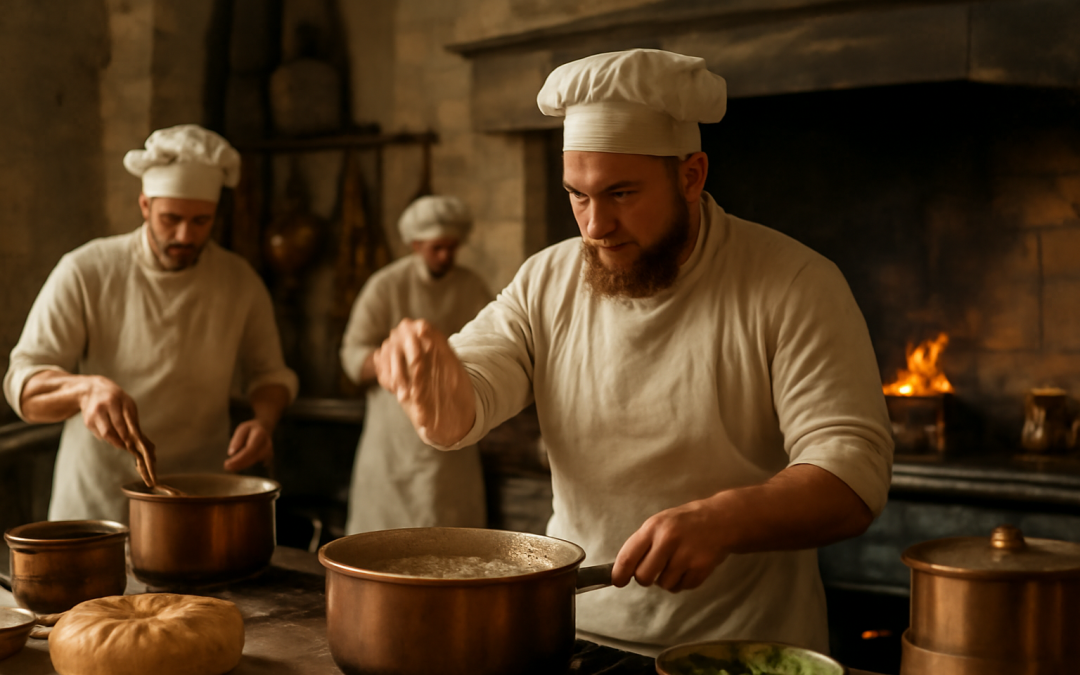
The intricate world of royal kitchens and court cooks reveals a fascinating intersection of culinary skill, etiquette, and power. Within the grand palaces of history, kitchens were more than mere spaces for food preparation; they were epicenters of innovation, diplomacy, and social hierarchy. Behind every lavish banquet and sumptuous feast lay the tireless efforts of court cooks who meticulously crafted meals that not only satisfied hunger but also projected the wealth, refinement, and political stature of monarchs and nobility. The evolution of these royal culinary institutions reflects broader cultural transformations, technological advancements, and shifting tastes that have shaped the history of gastronomy.
Royal kitchens were often vast, complex operations staffed by numerous chefs, assistants, and specialized workers. From the medieval era through to the early modern period, the size and organization of these kitchens mirrored the grandeur and administrative demands of the court. The role of court cooks extended beyond simple cooking; they were responsible for selecting ingredients of the highest quality, conceiving elaborate menus, and mastering techniques that could impress both domestic audiences and visiting dignitaries. The expertise required to fulfill these demands elevated cooking in royal circles from a mere household duty to a respected craft and an art form.
In many ways, the activities of court cooks were tightly bound to the exercise of power and ceremony. Banquets were carefully choreographed events where the placement of dishes and their presentation symbolized status and influence. The choice of ingredients—often exotic spices or rare delicacies—displayed the wealth and far-reaching connections of a royal household. For example, the introduction of spices such as saffron, nutmeg, and cinnamon into European royal kitchens during the late Middle Ages and Renaissance served not only to enhance flavors but also to underscore prestige. These ingredients often came at great expense, sourced through lengthy trade routes that reinforced the monarch’s global reach.
The hierarchy within royal kitchens was rigidly structured, with a head chef or master cook presiding over a team of subordinate chefs, kitchen assistants, and servants. This official, often with a title such as “chef de cuisine” or “master cook,” bore the responsibility for menu planning, supervising food preparation, and ensuring that dietary restrictions, religious observances, and ceremonial protocols were observed. Kitchens were typically divided into stations, each focusing on different types of food—bakers, butchers, confectioners, and sauciers each mastering particular aspects of culinary production. This specialization allowed for the refinement of techniques and the creation of highly elaborate dishes that were unimaginable in more modest settings.
Court cooks were also inventors and trendsetters, pioneering cooking methods and recipes that would later trickle down into broader society. Many iconic dishes have origins in royal kitchens, created to dazzle and delight. The use of intricate pastries, delicate soufflés, and dishes balanced with subtle seasoning owe a great deal to the trial and error of chefs working under the pressure of royal expectations. The culinary expertise within these kitchens contributed to the development of national cuisines, as royal chefs incorporated regional ingredients and flavors into their creations and exported them as symbols of cultural identity.
The significance of royal kitchens extends beyond Europe. In imperial China, the Forbidden City housed numerous kitchens serving the emperor and his court, reflecting Confucian ideals of order and hierarchy. Chinese court cooks mastered complex techniques such as steaming, braising, and roasting, creating dishes that emphasized balance and harmony. Similarly, in the Mughal Empire, court cooks combined Persian, Indian, and Central Asian influences to produce a luxurious cuisine marked by rich sauces, fragrant spices, and intricate rice dishes. These examples illustrate how royal kitchens served as crossroads where culinary traditions met, adapted, and flourished.
In some courts, the role of court cooks was deeply intertwined with the political ambitions of rulers. The ability to host magnificent feasts could reinforce alliances, impress rivals, and consolidate internal authority. Feasts were occasions for subtle messaging through gastronomy; the composition and timing of meals might symbolize peace or aggression, celebration or mourning. Moreover, the education and training of court cooks were often formalized to ensure the maintenance of standards and confidentiality. Recipes and techniques were considered state secrets in some cases, guarded closely to maintain the uniqueness of royal cuisine.
The conditions in which these kitchens operated could be intense and demanding. The pressure to provide flawless meals was constant, with events ranging from daily suppers to lavish celebrations demanding precision and creativity. Many court cooks worked long hours under the watchful eyes of patrons and courtiers. The demand for novelty and excellence sometimes led to culinary rivalry and innovation, as cooks competed to outdo one another in taste, presentation, and extravagance. This environment fostered advances in food preservation, preparation, and presentation that extended beyond the castle walls.
Advancements in kitchen technology also evolved hand-in-hand with the needs of royal kitchens. The introduction of specialized tools such as rotating spits for roasting meat, ornate silverware, and sophisticated ovens played a critical role in refining culinary techniques. The organization of kitchens into separate rooms or distinct sections for food preparation, baking, and storage became more common, driven by growing concerns for hygiene and efficiency. The design of kitchens reflected the political and cultural priorities of the time, with some palaces boasting grandiose kitchen spaces that were as carefully planned as any other royal apartment.
Lady Katherine, one of the prominent figures in England’s Tudor court, exemplified the importance of culinary expertise in maintaining a royal household. Though not a cook herself, her role in overseeing the kitchen staff was vital in ensuring the quality and appropriateness of meals served to King Henry VIII. Court cooks under her supervision navigated shifting appetites dictated by health, religious fasting, and political ceremonies. Their ability to meld tradition with innovation was crucial in sustaining the court’s grandeur, especially when dealings with foreign emissaries required impressing them with unfamiliar dishes and sumptuous banquets.
Food-related etiquette in royal kitchens was an essential facet of court life. The preparation and serving of meals were conducted with strict adherence to codes that dictated who could eat what, when, and how. Specific dishes might be reserved for the monarch alone, while others were distributed according to rank. The arrangement of food on plates, the sequence of courses, and even the choice of tableware were imbued with symbolic meaning. These rules highlighted the exclusivity and mystique surrounding royal dining, elevating meals to public performances rather than simple acts of nourishment.
As time progressed, the role of court cooks began to shift with changing political structures and social attitudes toward food. The decline of absolute monarchies and the rise of bourgeois societies democratized culinary traditions once confined to palatial settings. Recipes once jealously guarded by court cooks found their way into printed cookbooks and public eateries, allowing wider segments of society to experience formerly elite dishes. Nevertheless, the legacy of royal kitchens remained influential, shaping the identity of national cuisines and inspiring generations of professional chefs who sought to emulate the sophistication and artistry of their royal predecessors.
In contemporary times, the fascination with historical court cooks continues in popular culture and culinary scholarship. Reenactments, historical recipes, and detailed studies of royal menus offer insights into the social fabric, economy, and cuisine of past eras. The focus on preserving the stories and techniques of court cooks serves as a testament to their lasting impact on the culinary arts. Today’s chefs often draw inspiration from the grandeur and meticulous craftsmanship epitomized by royal kitchens, blending tradition with innovation in ways that echo the timeless pursuit of excellence that defined these culinary courts.
The relationship between food and power, as epitomized by royal kitchens and court cooks, reveals much about human civilization. These kitchens were places where political ambition met artistry, and where the humble act of eating transcended basic survival to become a tool for diplomacy, celebration, and cultural expression. Understanding their history offers a richer appreciation of how our culinary inheritance evolved and continues to influence modern gastronomy, underscoring the profound role food plays in shaping society and identity.
In conclusion, the story of royal kitchens and court cooks is a story of mastery, ingenuity, and cultural significance. From meticulously orchestrated feasts that dazzled monarchs and their guests to the unparalleled influence these culinary craftsmen exerted on the evolution of food across nations, their legacy is undeniable. The royal kitchen was not merely a place of nourishment but a stage where politics, art, and tradition converged. The dishes crafted and the techniques refined within these hallowed halls continue to inspire and inform the culinary world, reminding us that food, in all its complexity, is inseparable from the story of humanity itself.