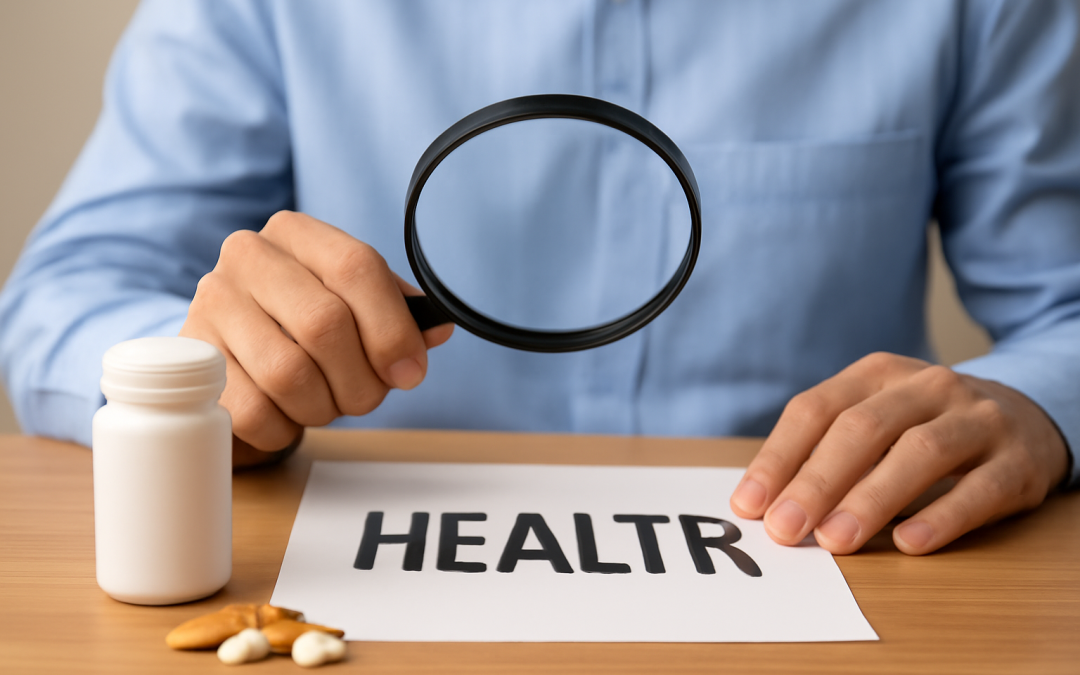
In today’s fast-paced world, health information flows continuously from a multitude of sources — from social media and advertisements to news outlets and personal conversations. While this abundance of information can be empowering, it often becomes overwhelming and confusing. Determining which health advice is credible and which might be misleading or outright false is crucial for making informed decisions. Evaluating health claims critically can protect individuals from potential harm and ensure they adopt practices that genuinely enhance well-being.
A fundamental step in evaluating health claims involves understanding the source of the information. Reliable health information typically originates from accredited institutions, such as government health agencies, universities, or recognized medical organizations. When encountering a new claim, it is important to investigate the credentials of the individual or organization making it. Experts who hold advanced degrees in relevant disciplines and who work in reputable environments are more likely to provide accurate data. Conversely, anonymous sources or pages with unclear authorship should heighten suspicion. Transparency in who is delivering the message often reflects the credibility of the content.
Next, scrutinizing the evidence supporting the health claim is essential. Scientific claims should be backed by reputable studies published in peer-reviewed journals. Peer review means that other experts in the field have examined and validated the research methods and results before publication. If a claim cites research, consider whether the studies referenced are recent, involve adequate sample sizes, and have been conducted using appropriate methodologies. Anecdotal evidence or testimonials, while emotionally compelling, are not reliable because they do not account for variables or chance and are susceptible to bias.
It is also helpful to analyze whether the claim aligns with the broader consensus in the medical and scientific communities. Most well-established health information reflects a body of accumulated evidence rather than isolated findings. If a claim contradicts the current understanding supported by multiple studies, it should be approached cautiously. Sometimes new discoveries challenge old paradigms, but these instances generally come from extensive research and not from a single or small group of studies. Checking resources like systematic reviews or guidelines from professional associations can provide perspective on the prevailing consensus.
Understanding the language used in health claims can offer additional clues about their validity. Phrases such as “miracle cure,” “secret remedy,” or “guaranteed results” often signal exaggerated or unsubstantiated promises. Ambiguous or overly simplistic explanations of complex health issues can also be a warning sign. Reliable health information tends to discuss limitations and acknowledge when evidence is inconclusive. Claims that insist on quick fixes or that promise results too good to be true deserve skepticism. Critical readers should look for clear, balanced explanations that include possible risks or side effects alongside benefits.
Another important aspect to consider is the potential conflict of interest behind the health claim. Financial incentives can influence the way information is presented, sometimes leading to biased or misleading messages. For instance, companies selling supplements or treatments might promote health claims to increase sales, regardless of solid scientific support. Transparency regarding funding sources and affiliations helps readers assess whether objectivity is maintained. When commercial interests dominate the message, it is even more incumbent on the reader to verify the claim independently.
When evaluating treatment or product claims, one should also check if regulatory bodies like the Food and Drug Administration (FDA) or European Medicines Agency (EMA) have approved or reviewed the product. Approval from such organizations typically involves rigorous testing for safety and efficacy. If no such approval exists, it might mean the product has not been thoroughly vetted. Claims about supplements, in particular, should be approached with caution, as these products are often less regulated than prescription medications and can sometimes contain undisclosed ingredients or have inconsistent dosages.
It is beneficial to be aware of common logical fallacies or cognitive biases that can affect our judgment when assessing health claims. Confirmation bias, for example, causes people to favor information that supports their existing beliefs while disregarding contradictory evidence. The bandwagon effect leads individuals to accept claims because many others endorse them, regardless of their validity. Recognizing these tendencies promotes a more objective evaluation process, allowing one to challenge personal assumptions and remain open to new credible information.
The context in which a health claim is presented also matters. Health advice given in reputable medical journals or official health websites is often more reliable than messages circulating on unverified social media platforms. Furthermore, context regarding an individual’s specific health status is important when considering the applicability of a claim. What works well for one person may not be appropriate for another due to differences in genetics, medical history, lifestyle, or age. A claim suggesting a universal solution without acknowledging such variability should be treated with care.
In addition to analyzing the source, evidence, language, and context, consulting healthcare professionals for clarification or confirmation can be invaluable. Trusted doctors, nutritionists, or pharmacists can provide personalized advice and help interpret scientific information correctly. They can also warn about potentially dangerous treatments and recommend evidence-based alternatives. While the internet and media may offer easy access to health claims, medical professionals still serve as a critical checkpoint to filter misinformation and guide safe practices.
Beyond the practical steps, developing a critical mindset towards health claims fosters long-term health literacy. This approach encourages ongoing learning, curiosity, and cautious optimism when encountering new wellness advice. It empowers individuals to make choices based on knowledge rather than hype, hype or fear. This is particularly important in an era when health-related misinformation can spread rapidly and create public confusion or harm.
One should be wary of claims that rely heavily on fear or sensationalism to capture attention. The use of anxiety-inducing messages, such as “urgent warnings” or “hidden dangers,” often aims to prompt impulsive reactions rather than informed decisions. Sensational claims typically lack a balanced perspective and may exaggerate risks or benefits. Instead of succumbing to emotionally charged language, it is advisable to seek calm, rational sources that provide context and explanation.
The role of media literacy is closely intertwined with evaluating health claims. Learning how media shapes and frames health information helps readers decode the intent behind a message. For instance, an article designed primarily for advertising purposes might emphasize benefits while downplaying risks. Social media algorithms often perpetuate sensational content because it attracts more clicks and shares. Understanding these mechanisms equips readers with tools to discern when health claims might be distorted for commercial or attention-driven motives.
Scientific skepticism is not about rejecting new information outright but about demanding adequate proof before acceptance. This scientific mindset values tentative conclusions that evolve with emerging evidence rather than absolute certainties. As science progresses, previously held ideas may be refined or overturned, which is a natural part of knowledge development. Thus, those evaluating health claims benefit from staying updated with ongoing research while maintaining a balance between open-mindedness and careful scrutiny.
It is also helpful to understand different types of scientific studies to better assess health claims. Randomized controlled trials (RCTs) are considered the gold standard because they minimize bias and help establish cause and effect. Observational studies can suggest associations but are more vulnerable to confounding factors. Case reports, cell culture experiments, or animal studies provide preliminary insights but are not definitive proof for human health effects. Recognizing these distinctions aids in judging how strong the evidence behind a claim really is.
The importance of reproducibility cannot be overstated. Scientific findings gain credibility when independent researchers can replicate results using similar methods. If a groundbreaking health claim arises from a single study that has not been independently verified, caution is warranted. Scientific consensus builds over time through repeated studies rather than isolated reports. This iterative validation process serves as a safeguard against false or exaggerated claims.
Economic and cultural factors also influence the creation and acceptance of health claims. Sometimes, traditional remedies or alternative therapies are promoted without rigorous scientific backing, relying on cultural beliefs or anecdotal success stories. While these may offer psychological comfort and potentially some benefit, it remains vital to differentiate between cultural traditions and scientifically proven health interventions. Integrating respect for cultural practices with evidence-based evaluation promotes safe and informed choices.
A healthy dose of skepticism combined with proactive verification can protect people from falling prey to scams or misinformation. Taking time to cross-check claims against multiple trustworthy sources minimizes the risk of being misled. Recognizing marketing tactics such as limited-time offers or “doctor-recommended” labels without clear evidence helps maintain objectivity. Ultimately, delayed gratification in decision-making is preferable to impulsive reactions fueled by unverified health claims.
One of the challenges in evaluating health claims is the constant emergence of new information, particularly in rapidly evolving fields like nutrition, mental health, or infectious diseases. This dynamic environment requires vigilance and adaptability. Being open to revising previously held beliefs based on new data is a strength rather than a weakness. It also highlights the value of continuous education through credible channels, including medical literature, government health portals, and academic institutions.
Good health decision-making rests on a foundation of critical thinking and sound information appraisal. Developing skills to evaluate health claims thoroughly contributes to healthier communities, reduces the risk of harm from misguided interventions, and enhances patient autonomy. Encouraging this approach in schools, workplaces, and public health campaigns can empower more individuals to navigate the complex health information landscape effectively.
In conclusion, carefully evaluating health claims is a vital practice in protecting personal and public health. By examining the source, evidence, language, conflicts of interest, and the broader scientific context, individuals can distinguish trustworthy information from misleading or false statements. Incorporating input from healthcare professionals and maintaining a skeptical yet open-minded stance further strengthens this process. As the volume of health information continues to grow, cultivating these critical evaluation skills is more important than ever to make informed, safe, and effective health choices.