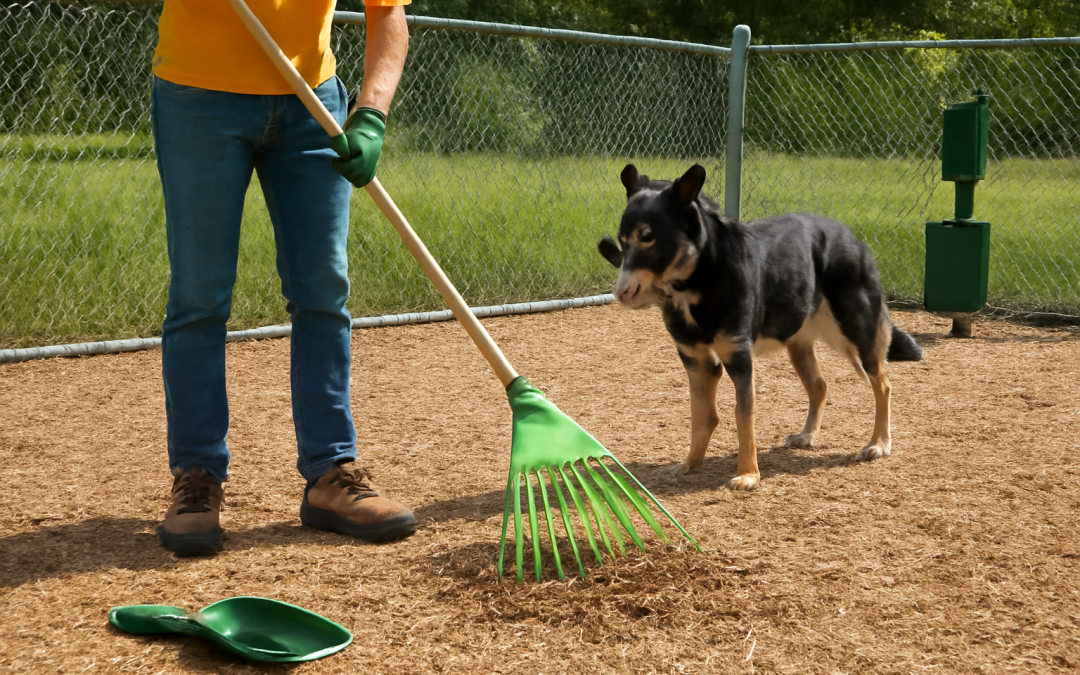
Creating and maintaining a safe, comfortable, and engaging outdoor space for pets can significantly enhance their quality of life. As more pet owners recognize the importance of providing outdoor environments tailored to their animals’ needs, the focus on proper care and upkeep of these spaces becomes increasingly essential. Outdoor pet area maintenance is not merely about keeping the space clean; it encompasses a comprehensive approach to safety, hygiene, landscaping, and the overall well-being of the pets using the area. A well-maintained outdoor pet area encourages healthy behaviors, reduces the risk of injury or illness, and preserves the longevity of the space for both the pets and their owners to enjoy.
The first step in maintaining an outdoor pet area is assessing the safety parameters of the environment. This involves inspecting fencing and gates for secure closures and damage. Broken fences or loose gates can pose escape risks, exposing pets to hazards such as traffic, unfriendly animals, or getting lost. Materials like wood and metal fences should be checked frequently for rot, rust, or sharp edges that could cause injuries. Additionally, ensuring that the fencing height is appropriate for the specific pet will prevent attempts to jump or climb out. This initial focus on a sturdy, secure perimeter is vital because without it, all other aspects of maintenance become less effective if the pet does not feel safe or can easily leave the area.
Regular cleaning routines are crucial for maintaining the hygiene of an outdoor pet area. Pets naturally produce waste, and when left unattended, it can quickly lead to unsanitary conditions that encourage the growth of bacteria, parasites, and unpleasant odors. It is important to establish a schedule for promptly picking up pet waste and disposing of it properly. This not only keeps the area clean and inviting but also reduces the risk of parasitic infections and zoonotic diseases that can affect both pets and humans. Beyond waste management, cleaning involves removing debris such as fallen leaves, sticks, and any potentially toxic plants that might have drifted into the space. Regular surface cleaning, whether it is grass, concrete, or mulch, helps minimize the buildup of dirt and harmful microorganisms.
Landscaping and ground maintenance play a significant role in outdoor pet area upkeep. The choice of ground cover can impact the durability and safety of the space considerably. Many pet owners prefer natural grass because it offers a soft surface that encourages exercise and natural behaviors like digging. However, grass requires consistent watering, mowing, and patching to prevent muddy spots and bare patches, which can become tripping hazards or breeding grounds for pests. In some cases, artificial turf can be an alternative, as it is easier to clean and more resistant to wear. Regardless of the surface type, leveling uneven ground and filling holes promptly will prevent injuries and discourage the development of garden pests such as insects or rodents.
Shade and shelter are essential both for comfort and protection. Exposure to direct sunlight for extended periods can lead to heatstroke or sunburn in many pets, especially those with thin coats or light-colored fur. Providing shaded spots using natural trees or shade structures such as awnings or pet-specific tents is a key aspect of outdoor pet area maintenance. These shaded areas ensure pets have a comfortable retreat during hot days and help regulate their body temperature. Additionally, shelter from rain and other harsh weather elements is important not only for comfort but also to prevent respiratory issues or skin problems related to dampness and cold.
Another important aspect involves monitoring the outdoor area for pests and parasites that can affect pets. Fleas, ticks, mosquitoes, and other insects thrive in outdoor environments and pose serious health risks by transmitting diseases and causing allergic reactions. Regularly treating the area with pet-safe pest control methods helps reduce infestations. This can include natural remedies like diatomaceous earth or more conventional treatments depending on the severity of the problem. In addition to pest control, draining standing water and maintaining proper drainage is crucial to prevent mosquito breeding and reduce the proliferation of mold and bacteria in the soil or ground covering.
Outdoor pet area maintenance also extends to ensuring the availability and cleanliness of water sources. Fresh, clean water is indispensable, especially when pets spend prolonged periods outdoors. Water bowls should be placed in shaded areas and checked frequently to replenish and clean, preventing the growth of algae or contamination from dirt or debris. Automated pet water dispensers can be a convenient solution for maintaining hydration throughout the day. Keeping water accessible and hygienic supports pet health by avoiding dehydration and digestive problems that can occur when pets drink from stagnant or dirty sources.
Training and behavioral considerations can influence how a pet interacts with and impacts the outdoor area. For example, pets that dig excessively may damage landscaping, create holes, and increase maintenance requirements. Addressing such behavioral tendencies through positive reinforcement training can minimize damage to the space and protect the pet from potential accidents like piercing sharp objects underground. Additionally, providing designated play areas or enrichment activities helps channel energy constructively while preventing destructive behaviors like chewing on fences or uprooting plants. Incorporating pet-safe toys, obstacle courses, and tunnels into the outdoor area can stimulate mental and physical activity, supporting overall well-being while reducing stress on the environment.
Seasonal changes bring unique challenges to outdoor pet area maintenance. Winter months may require additional care such as clearing snow, using pet-safe ice melt, and providing insulated bedding or heated zones for comfort. Conversely, summer necessitates enhanced watering schedules for lawns and plants, increased shade areas, and vigilant monitoring for heat stress signs. Spring and fall, while milder, often bring an influx of pests and plant growth that must be managed carefully to prevent harm to pets. Preparing the outdoor pet area ahead of changing seasons and adjusting maintenance routines accordingly ensures that the environment remains safe and enjoyable year-round.
Beyond the physical environment, emotional well-being should be a consideration in maintaining an outdoor pet area. Providing socialization opportunities with other pets or family members in a secure outdoor setting can enhance mood and behavior. Interaction with nature—such as the sounds of birds, the feel of grass, and a variety of scents—stimulates pets mentally and fosters a positive association with the outdoor area. Regularly spending quality time outside with pets not only strengthens the human-animal bond but also enables owners to promptly identify and address any emerging issues such as injuries, pests, or behavioral changes.
Investing in quality outdoor furniture and pet accessories designed specifically for animals can also enhance maintenance efforts. Durable, weather-resistant kennels, beds, and feeding stations reduce wear and tear and minimize the introduction of dirt and mess into the home environment. Elevated feeding stations keep food and water off the ground, preventing contamination from pests or moisture. Comfortable resting areas encourage pets to relax safely, limiting destructive behaviors caused by boredom or stress. Maintaining these items by cleaning them regularly and inspecting for damage will prolong their usefulness and contribute to the overall upkeep of the outdoor pet area.
Finally, monitoring pet health closely complements the physical maintenance of the space. Regular veterinary check-ups, vaccinations, and parasite prevention are essential components of responsible pet care that go hand-in-hand with outdoor area upkeep. Observing pets for signs of infections, allergies, or injuries related to their outdoor environment can lead to early intervention and prevent more serious problems. For example, skin irritations from plant contact or allergic reactions to insect bites often manifest first during outdoor activities. Prompt management of these conditions helps maintain comfort and health, reinforcing the importance of a well-maintained outdoor area that supports thriving pets.
In conclusion, comprehensive outdoor pet area maintenance involves much more than routine cleaning. It requires a thoughtful approach to safety, hygiene, landscaping, pest control, and pet comfort, all tailored to the specific needs and behaviors of the animals using the space. By remaining vigilant and proactive in caring for outdoor pet environments, owners create a secure, pleasant sanctuary that nurtures the physical and emotional health of their pets. This attention to detail not only extends the life of the outdoor space itself but also builds a foundation for enduring joy and companionship between pets and their owners. Investing time and effort into maintaining outdoor pet areas ultimately enriches the daily lives of pets, promoting a harmonious blend of nature and nurture.