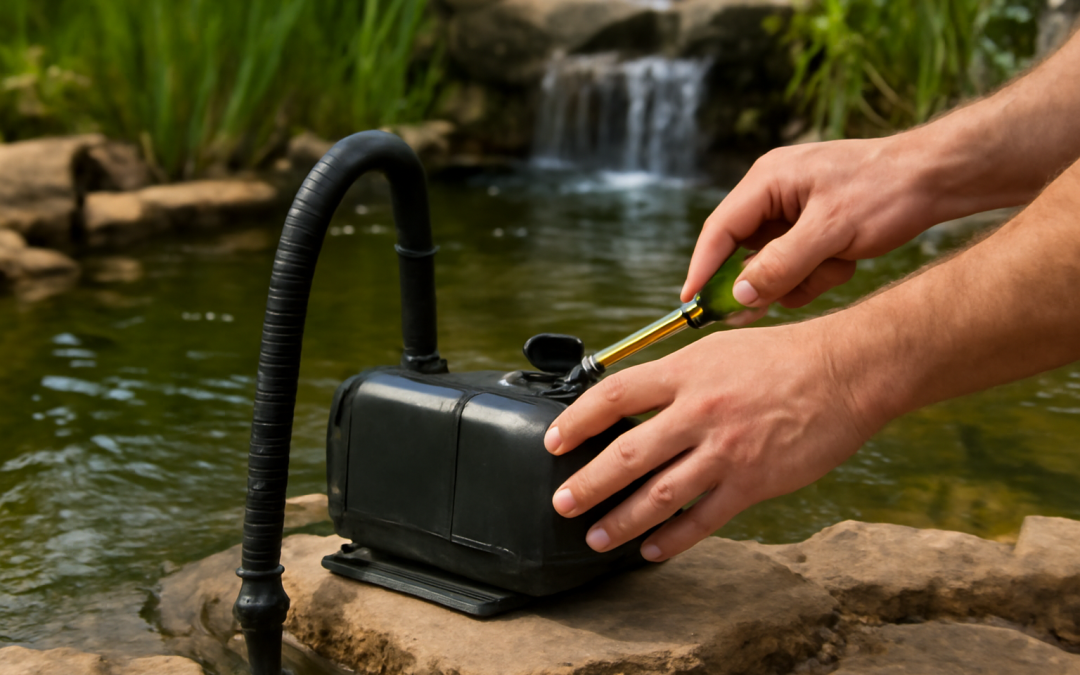
Maintaining the pump in a water feature is essential to ensure its longevity, efficiency, and overall performance. Whether the water feature is a small garden fountain, a koi pond, or a large waterfall, the pump serves as the heart of the system, continuously circulating water and preventing stagnation. Without proper care and maintenance, pumps can quickly become clogged, overheat, or fail, leading to costly repairs or replacements. Understanding the critical steps involved in water feature pump maintenance can save time, money, and preserve the beauty and function of the water installation.
One of the first considerations in maintaining a water feature pump is regular cleaning. Over time, dirt, leaves, algae, and other debris accumulate in the water and can clog the pump’s intake, reducing water flow and forcing the motor to work harder. It is advisable to turn off the pump before removing any guards or filters and carefully clean the intake screens and any accessible parts without damaging delicate components. Using soft brushes or cloths can help dislodge stubborn grime without scratching. Regular cleaning not only prevents blockages but also minimizes strain on the pump, extending its operational life.
In addition to cleaning the intake components, inspecting the pump for wear and tear is another vital practice. Components such as the impeller, seals, and housing can degrade due to constant exposure to water, particularly if it contains minerals or chemicals like chlorine. The impeller, responsible for moving water through the system, is especially susceptible to damage from grit or small stones that may enter the pump. Monitoring the pump for unusual sounds, vibrations, or reduced water pressure can provide early warning signs of mechanical issues, allowing for timely repairs or replacements before a total failure occurs.
Proper positioning of the pump within the water feature also plays a significant role in its maintenance and operation. Pumps should be installed on level surfaces and securely anchored to minimize vibrations and potential damage. Submersible pumps require sufficient water levels at all times to prevent overheating. Running the pump dry causes friction and heat build-up, which can irreparably damage internal components. Therefore, maintaining an adequate water level and ensuring the pump never operates without sufficient water are crucial preventive measures.
Seasonal maintenance is equally important for pumps exposed to outdoor elements. In colder climates, winterizing the water feature pump is necessary to avoid freeze damage. Water left inside the pump or pipes can freeze, expand, and crack the equipment. During the fall, before temperatures drop drastically, it is vital to drain the pump completely, clean it thoroughly, and store it indoors in a dry place if possible. Some pumps are designed to be left in place year-round, but understanding the specific manufacturer’s guidelines helps avoid costly mistakes stemming from freezing or neglect.
Alongside physical cleaning and inspection, maintaining the pump’s electrical components is a key safety consideration. Checking the power cord, plugs, and connections for signs of wear, cracks, or water intrusion ensures safe operation and prevents potential electric shocks or shorts. Water feature pumps should always be connected to a ground fault circuit interrupter (GFCI) to enhance safety around water and electricity. Regularly testing the GFCI and replacing damaged wiring or components can prevent dangerous accidents and prolong the life of the pump.
Many water feature owners also benefit from routine lubrication, especially if using pumps with external motors that require it. Not all pumps need lubrication, particularly sealed submersible types, but certain models with bearings or moving parts outside the water require periodic greasing. Using the manufacturer-recommended lubricants prevents corrosion and reduces friction, which supports smoother operation and less wear on mechanical parts. Consulting product manuals will guide users on the correct intervals and methods to avoid over-lubrication or damage.
Troubleshooting minor pump issues, such as reduced water flow or intermittent operation, is often possible with basic maintenance knowledge. Low water pressure may result from blockages or air trapped inside the pump, which can sometimes be cleared by resetting the equipment and allowing trapped air to escape. Ensuring the pump’s impeller is free to spin and that no foreign objects are lodged inside can resolve many problems. If the pump continues to malfunction despite these efforts, professional assistance might be necessary to prevent further damage.
Water quality itself significantly influences pump condition and maintenance needs. Hard water, rich in minerals like calcium and magnesium, can cause scale buildup inside or around the pump components, restricting water flow and increasing wear. Conversely, soft water or water with high organic matter content may promote algae or biofilm growth inside the pump system. Monitoring and treating the water to balance pH, reduce mineral content, and limit organic matter accumulation can markedly improve pump reliability. Some water features utilize filtration systems or regular water changes as part of their maintenance practices to reduce the strain on the pump.
Energy efficiency is another aspect related to proper maintenance. A well-maintained pump operates more efficiently, using less energy and reducing operational costs. Neglected pumps that become clogged or worn often draw more current to maintain water circulation, leading to increased power bills and environmental impact. Selecting an appropriately sized pump for the water feature from the beginning also eases maintenance efforts since oversized pumps may cycle inefficiently, and undersized pumps can overwork. Regular maintenance ensures the equipment continues to function within its optimal parameters.
Taking a proactive approach to maintenance schedules will yield the best outcomes. Establishing a routine inspection and cleaning plan helps avoid surprises and keeps the water feature looking its best throughout the year. Some enthusiasts log maintenance activities including cleaning dates, water quality tests, and any repairs performed to track changes and anticipate future needs. Adopting such a systematic approach streamlines care and prevents minor issues from escalating into major problems requiring costly intervention.
In cases where owning multiple pumps or complicated water systems, it may be useful to have spare parts readily available, such as replacement impellers, seals, and intake screens. Having these critical components on hand reduces downtime when servicing the water feature and ensures that repair or maintenance work can be completed swiftly. Pumps for water features vary in complexity and design, so familiarizing oneself with the specific model and manufacturer’s recommendations greatly aids in effective upkeep.
Occasionally, upgrades or advancements in pump technology offer opportunities to improve the performance and maintenance experience. Modern pumps often come with energy-saving features, self-cleaning mechanisms, or remote control capabilities. Evaluating the condition and efficiency of an aging pump during routine maintenance can prompt considerations for replacement with newer models that provide better operational cost savings and user convenience. Making informed decisions about pump upgrades keeps the water feature vibrant and reduces ongoing maintenance demands.
Despite all preventive steps, there may be times when professional servicing becomes necessary. Specialized pump repair technicians possess the skills and equipment to diagnose complex mechanical or electrical issues beyond routine home maintenance. Engaging such experts ensures delicate components are handled correctly, and safety standards are met during repairs. Additionally, professionals can offer guidance on extending the life of the pump and provide warranties or guarantees on replacement parts and services.
In essence, effective care of a water feature pump requires attention to cleaning, inspection, proper installation, seasonal adjustments, and water quality management. These combined efforts protect the pump from damage, maintain consistent water flow, and enhance the aesthetic value of the water feature itself. Well-maintained pumps operate quietly and efficiently, providing soothing water sounds and visual appeal that enrich outdoor living spaces. Neglecting maintenance, on the other hand, often leads to frustration, increased costs, and diminished enjoyment.
Ultimately, the key to long-term success lies in dedicating regular time and effort towards preventive maintenance. Developing a habit of vigilant observation and timely intervention fosters a sustainable system where the pump can perform reliably year after year. The tranquil ambiance created by a smoothly functioning water feature can then be enjoyed without worry, knowing its mechanical heart is supported by diligent care and expertise.