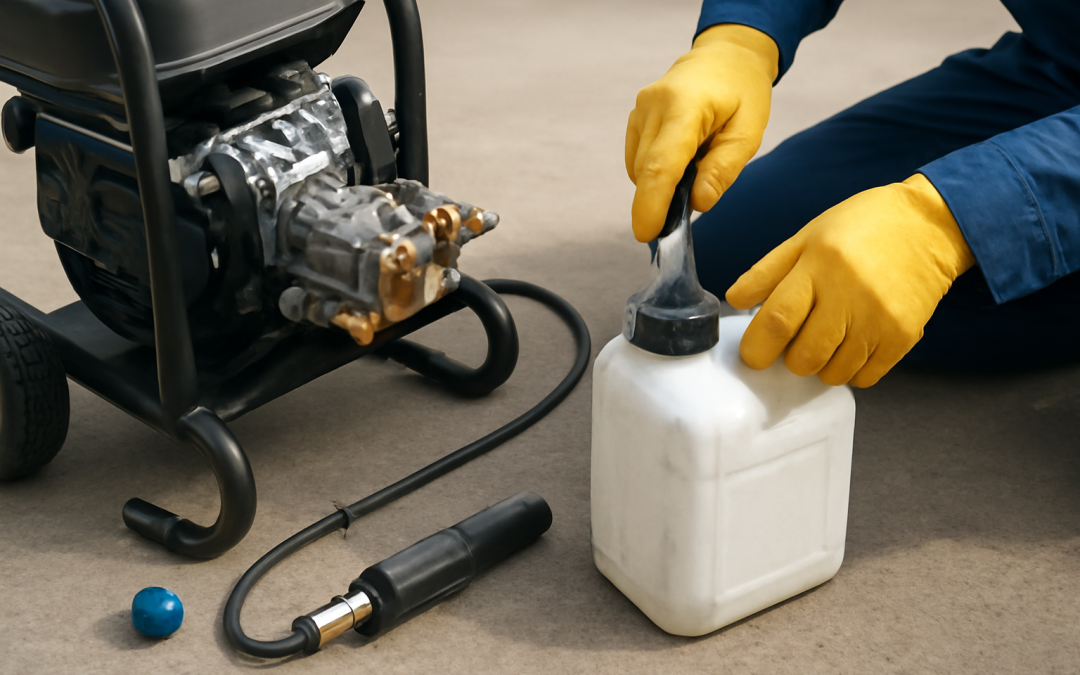
Proper upkeep is essential to ensure a pressure washer operates efficiently and has a long service life. Like any power equipment, a pressure washer requires routine attention to keep its components functioning properly and to avoid unexpected breakdowns. With regular maintenance, operators can prevent costly repairs, ensure consistent cleaning performance, and protect their investment in this valuable tool. Understanding the fundamental care tasks helps users maximize the output and lifespan of their pressure washers.
A critical part of maintaining a pressure washer is inspecting and cleaning vital components regularly. The water inlet, for instance, contains a filter designed to prevent debris from entering the pump. If left dirty or clogged, the filter can restrict water flow and cause pressure drops. Simple rinsing or replacement of the filter can address these issues quickly. Similarly, the spray nozzles that control the water pressure and spray pattern can accumulate dirt or mineral buildup, which reduces performance. Removing and soaking the nozzles in vinegar or a specialized cleaning solution dissolves buildup and restores proper flow.
The pressure washer pump is the heart of the machine, and adequate care is necessary to avoid premature failure. Checking the oil level in pumps that require lubrication is mandatory before every use. Running a pump without sufficient oil can lead to overheating and mechanical damage. Changing the oil periodically, as recommended by the manufacturer, helps maintain the internal seals and cylinders in good condition. For pumps that use a maintenance-free design, flushing the system with clean water after each use removes any residual detergent or debris that can corrode internal parts over time.
Fuel-powered pressure washers have additional maintenance steps related to the engine. Ensuring that the engine’s air filter is clean is crucial because a clogged filter restricts air intake, adversely affecting combustion and reducing engine power. Air filters often require cleaning or replacing seasonally depending on usage intensity. It’s also important to change the engine oil regularly since old or contaminated oil diminishes lubrication and increases engine wear. Furthermore, spark plugs should be inspected for wear and carbon deposits; replacing faulty plugs improves ignition efficiency and overall engine performance.
If the pressure washer is electric, electrical safety checks are imperative. Inspecting power cords and plugs for cracks or exposed wires can prevent dangerous shocks or power interruptions. Keeping the machine dry and stored in a moisture-free environment prevents corrosion of electrical connectors. Additionally, verifying that all safety switches and controls are functioning correctly ensures safe operation.
Another significant aspect of pressure washer maintenance involves winterizing or preparing the machine for storage during periods of inactivity. Residual water left in the pump and hoses can freeze, causing internal damage. Draining all water or using antifreeze solutions designed for pressure washers helps safeguard the system from freeze-related cracks. Storing the pressure washer in a dry, sheltered area away from extreme temperatures further prolongs its lifespan.
Maintaining the hose and wand components also contributes to the unit’s longevity. Hoses should be checked for leaks, cracks, or swelling caused by high pressure or chemical exposure. Damaged hoses not only reduce performance but may pose safety risks to users. Regularly cleaning the wand and connections prevents clogging and buildup that can limit water flow. When disconnecting and reconnecting hoses and accessories, ensuring proper seals and tight fittings avoids leaks and pressure loss.
Proper usage habits complement maintenance efforts and contribute to a pressure washer’s durability. Allowing the pump to run for several seconds after turning off the water supply helps relieve pressure buildup inside the system, preventing damage to seals and valves. Similarly, starting the machine on low pressure and gradually increasing the pressure helps avoid sudden stress on components. Avoiding running the pressure washer dry or letting it overheat also extends its functional life.
Chemical detergents and cleaning solutions play a significant role in the maintenance routine. Using only manufacturer-recommended detergents prevents damage to seals and internal parts, as harsh chemicals can accelerate wear or cause corrosion. After detergent use, thoroughly flushing the system with clean water clears all residues. This practice prevents clogging and corrosion inside the pump and spray nozzles, ensuring reliably consistent cleaning power.
Frequently inspecting visible parts such as the frame, wheels, and handles helps catch early signs of wear or damage that might affect usability. Keeping these parts clean and free from dirt or rust convinces that the pressure washer remains safely portable and stable during operation. Tightening loose nuts, bolts, or screws as part of routine checks prevents mechanical failures and preserves structural integrity.
Understanding the operational limits of the pressure washer also protects it from unnecessary strain. Avoiding sustained operation at maximum pressure reduces stress on the pump and motor. Monitoring water temperature within recommended levels prevents overheating or damage to seals, which are often sensitive to extreme temperatures. Proper water supply that meets the machine’s flow rate and pressure specifications ensures optimal performance without overloading components.
Many modern pressure washers come equipped with built-in cameras, sensors, or electronic controls that require their own care. Keeping sensor lenses clean and free from obstruction ensures accurate readings and operational safety. Updating firmware or software when applicable maintains optimal functionality and integrates the latest performance improvements or safety features. Ensuring these systems are not exposed to water ingress or physical damage maintains reliability.
Regular professional servicing can supplement in-house maintenance, especially for commercial-grade or heavily used pressure washers. Expert technicians can perform detailed inspections, replace worn internal parts, and conduct advanced diagnostics that go beyond routine user capabilities. Scheduling routine servicing annually or more often based on usage ensures that underlying issues do not escalate and extend the machine’s useful life.
Using appropriate storage practices during transport can prevent mechanical shocks and component damage. Securing the pressure washer properly and avoiding placing heavy objects on fragile parts such as hoses or nozzles prevent deformation or failure. Covering the machine during transit protects it from dust, moisture, and environmental contaminants that could impair function.
Adhering to manufacturer guidelines remains the cornerstone of effective maintenance. Every pressure washer model may have unique requirements regarding oil types, service intervals, and part replacements. Following the operator’s manual instructions carefully avoids voiding warranties and ensures all maintenance procedures are performed correctly. Keeping a maintenance log can help track performed tasks and anticipate upcoming service needs.
The benefits of thorough and consistent pressure washer maintenance extend beyond machine preservation. A well-maintained unit operates more efficiently, saving fuel, electricity, or water consumption during cleaning tasks. It also delivers better cleaning results, reducing the time and effort needed to complete jobs. Reliable functioning minimizes downtime caused by unexpected breakdowns, increasing productivity for professional users.
Environmental considerations also align with maintenance routines. Proper disposal of used oil, filters, and cleaning chemicals prevents contamination. Keeping the pressure washer leak-free reduces the risk of hydraulic fluids or fuel spills harming soil or waterways. Maintaining seals and hoses prevents leaks that can waste water or solvents, promoting more sustainable operation.
In summary, meaningful care of a pressure washer involves attention to several interconnected factors—regular inspections, cleaning of key components, adherence to proper operational practices, and appropriate storage. Consistently addressing these elements preserves internal and external parts, safeguards safety mechanisms, and ensures reliable output. Investing time in basic maintenance not only protects the machinery but also enhances user experience and operational efficiency, making every task smoother and more cost-effective.