Maintaining a healthy and visually appealing pond requires careful attention to various components that contribute to water clarity and overall ecosystem balance. Among the most crucial elements in this regard are the pond skimmer and filter systems. These devices work in tandem to remove debris, control algae growth, and sustain a clean aquatic environment that supports plant life and aquatic creatures alike. Understanding the proper care and maintenance of pond skimmers and filters is essential to ensure they function optimally and extend their lifespan while providing a beautiful and thriving pond atmosphere.
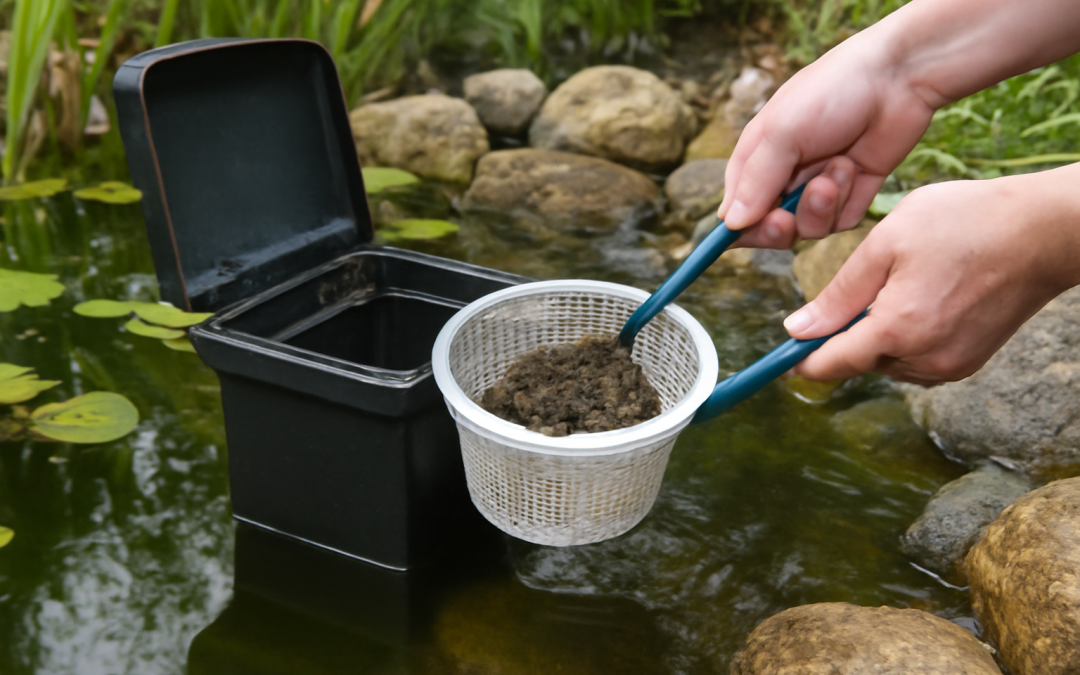
Pond skimmers serve as the first line of defense against floating debris such as leaves, twigs, and other organic matter that collects on the water’s surface. By constantly removing this material, skimmers prevent the accumulation of substances that could otherwise sink to the bottom and decompose, leading to murky water and an imbalance in pond chemistry. Unlike natural debris that can settle harmlessly in a healthy pond, excessive surface waste creates an ideal environment for algae blooms and harmful bacteria. Regularly cleaning and maintaining the pond skimmer basket is a simple but vital task that helps prevent clogging and ensures uninterrupted water flow through the filtration system.
Filters complement the skimmer by processing the water to remove smaller particulates, toxins, and excess nutrients that are invisible to the naked eye but detrimental to water quality. Most pond filters utilize mechanical, biological, and sometimes chemical filtration methods working in synergy. Mechanical filtration physically traps suspended particles, preventing them from circling back into the pond. Biological filtration supports beneficial bacteria colonies that break down harmful ammonia and nitrites, substances produced from fish waste and decaying organic matter. Proper care of the filter media is critical; it must be cleaned and replaced as recommended to maintain bacterial populations while preventing blockages that reduce filtration efficiency.
The frequency of maintenance for pond skimmers and filters depends on various factors such as pond size, local climate, surrounding vegetation, and the number of fish and plants inhabiting the pond. During the fall season, for example, leaves fall in abundance and require more frequent skimmer basket cleanings to prevent clogging. Spring and summer often bring growth spurts in algae and plant life, necessitating more attentive filter maintenance. Understanding these seasonal variations and adapting maintenance routines accordingly can significantly enhance the function of these systems and reduce the risk of water quality issues.
Proper flushing and rinsing during maintenance eliminate trapped debris and help avoid the build-up of biofilms that can impede the filter’s performance. When cleaning filter media, it is vital to use pond water instead of tap water, as chlorine and other chemicals can kill beneficial bacteria. Gently rinsing the media preserves the bacterial colonies essential for biological filtration, ensuring that these microorganisms continue to break down waste effectively. Replacing filter cartridges or pads should be done sparingly; they should only be swapped out after they have degraded too much to perform their function or when they show persistent signs of fouling.
Another key aspect of pond skimmer and filter care is monitoring the water flow rate. Reduced water flow can signal clogging or mechanical issues in the system, which often compromises the performance of both skimmers and filters. Clogged skimmer baskets or filters restrict water movement, leading to stagnation and poor oxygenation. This not only harms fish and beneficial bacteria but also promotes the formation of algae blooms and potentially toxic conditions. Regular inspection of water pump performance and tubing connections helps detect any issues before they become severe and ensures the system runs smoothly.
Repairing or replacing worn parts promptly is equally important to prevent small problems from escalating. Rubber seals and gaskets, for instance, are prone to wear and tear due to exposure to varying temperatures and constant water movement. Leaky seals can reduce the suction efficiency of the skimmer or allow unfiltered water to bypass the filtration system entirely. Checking these components during routine maintenance can save considerable time and expense by avoiding more significant mechanical failures or water quality deterioration.
In addition to routine cleaning and repair, installing protective measures around the pond can assist in simplifying the maintenance of skimmers and filters. For example, placing a net over the pond during autumn can significantly reduce the amount of surface debris that ends up in the water, easing the load on the skimmer system. Similarly, positioning the skimmer in a shaded area can help reduce algae growth by limiting the direct sunlight that fuels algae proliferation. Thoughtful placement and environmental management around the pond often translate to more manageable maintenance schedules and longer equipment life.
For pond owners dealing with heavy organic loads—such as those with many fish or large ornamental plants—upgrading the capacity of skimmers and filters may be necessary. Larger or more powerful units handle greater debris volume and maintain higher water clarity levels without constant intervention. However, upgrading requires careful consideration of the pond’s size and design, as overly powerful filtration systems can create excessive water movement, disturbing fish and aquatic plants. Consulting with aquatic professionals or trusted sources when selecting skimmers and filters helps balance capacity with pond ecology for optimal results.
It is also crucial to understand that skimmers and filters, while highly effective, are just part of an integrated approach to pond care. Balanced water chemistry, proper aeration, and regular partial water changes are necessary practices that work alongside mechanical cleaning. Neglecting these broader aspects can place undue strain on skimmer and filter systems, causing premature failure or suboptimal performance. Regular testing of pond water parameters such as pH, ammonia, nitrite, and nitrate levels provides valuable insights into how well the ecosystem is functioning and whether adjustments are needed.
In terms of winter care, pond skimmers and filters require specific considerations to prevent damage. In colder climates, water flow may decrease, and parts risk freezing if not properly winterized. Many pond skimmers come with debris baskets that can be removed and stored indoors until spring. Filters may also need to be cleaned thoroughly and temporarily shut down or protected if freezing temperatures pose a threat. Leaving components out in harsh winter conditions without protective steps risks cracks and malfunctions, which can compromise filtration when the pond is reopened in warmer months.
Conversely, during hot summer months, skimmers and filters must be monitored for potential overheating or rapid evaporation, which can raise pond temperature and stress aquatic life. Ensuring proper water circulation, shading sections of the pond, and replenishing water lost to evaporation all help maintain a stable environment where the skimmer and filter can function effectively. Neglecting these issues can lead to algae overgrowth or harmful chemical imbalances that overwhelm even the best filtration systems.
Innovations in pond skimmer and filter technology continue to emerge, offering new solutions for ease of maintenance and improved environmental impact. Models featuring energy-efficient pumps, self-cleaning mechanisms, and modular filtration components simplify upkeep and reduce energy consumption. Selecting equipment with user-friendly design features such as easy-access filter baskets or tamper-proof fittings benefits pond owners who may find traditional maintenance cumbersome. Staying informed about these advances can help pond enthusiasts make choices that best fit their lifestyle and ecological priorities.
Ultimately, the ongoing care of pond skimmers and filters demands commitment, but the rewards are substantial. A well-maintained pond system not only enhances aesthetic appeal but also creates a balanced ecosystem that supports a diversity of aquatic life. Clean water resistant to algae blooms attracts fish, frogs, and beneficial insects, contributing to biodiversity that enriches the outdoor environment. The time invested in routine cleaning, inspection, and adjustments protects significant financial investments in pond landscaping and equipment, turning a simple water feature into a sustainable living habitat.
By adopting a consistent maintenance routine that includes checking debris accumulation, cleaning filter media correctly, monitoring water quality, and addressing mechanical issues promptly, pond owners can ensure their skimmers and filters operate at peak efficiency throughout the year. Watching the pond water remain crystal clear and observing vibrant aquatic life flourish make these efforts worthwhile. The satisfaction derived from a healthy, well-functioning pond ecosystem reflects the care devoted to these vital components and inspires continued stewardship of outdoor aquatic spaces.