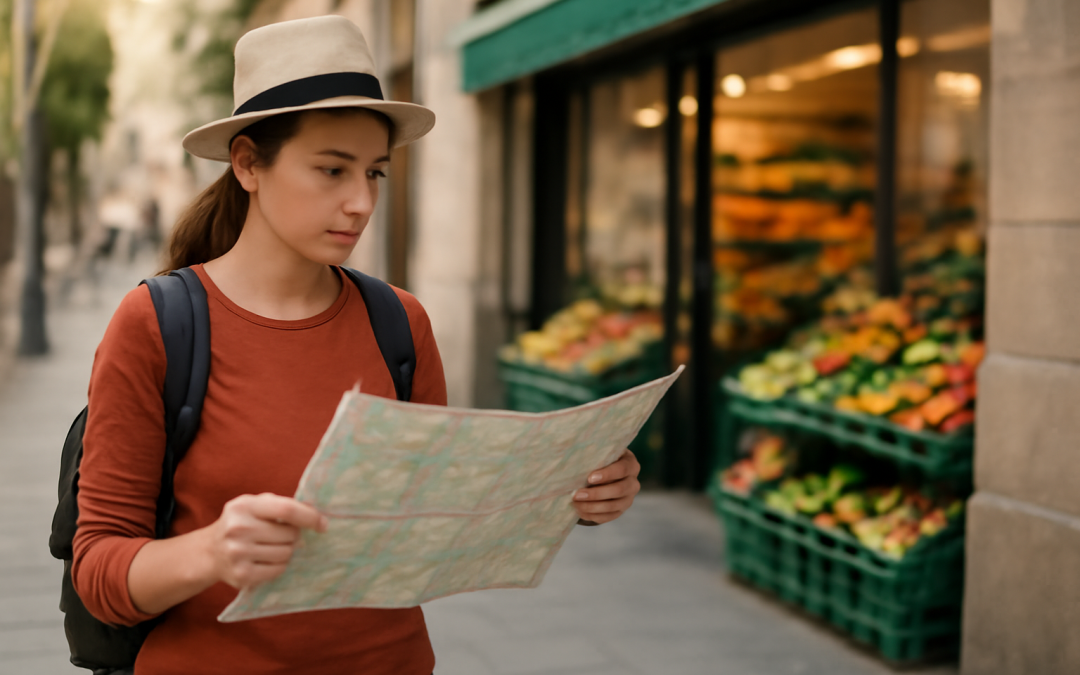
Traveling to new destinations often brings a mix of excitement and challenges, especially when it comes to finding everyday essentials like grocery stores. Whether you’re embarking on a leisurely vacation, a business trip, or a long-term stay, having access to fresh groceries can significantly enhance your experience. Not only does it allow you to maintain your usual dietary preferences, but it also provides an opportunity to explore local flavors and ingredients. However, locating grocery stores in unfamiliar places is not always straightforward, particularly in regions where language barriers or different retail customs exist. With the right approach and a bit of savvy, finding convenient and well-stocked grocery stores can become a seamless part of your travel routine.
One of the most effective ways to locate grocery stores while on the road is to leverage technology. Smartphone apps and online maps provide real-time information, making it easier to identify nearby supermarkets and local markets. Search engines integrated with location services can show store hours, customer reviews, and even photographs, giving travelers a better sense of what to expect before stepping into the store. Many apps also feature filters to narrow down options — for instance, focusing on organic stores, specialty international markets, or large chain supermarkets. Beyond conventional platforms, social media forums and travel-oriented websites often share insider tips and recommendations about the best places to shop in a particular city or neighborhood.
Understanding the layout and culture of your destination often helps in predicting where grocery stores might be situated. In urban centers, grocery stores tend to cluster around residential neighborhoods, near public transport hubs, or within mixed-use developments that include both commercial and residential buildings. In contrast, rural areas might have smaller, family-owned stores located closer to main roads or town squares. Learning a few local terms for “grocery store” or “market” can be extremely helpful when asking for directions or reading signs. Travelers who prepare by researching the general retail landscape of their destination in advance are often better equipped to identify grocery stores quickly once they arrive.
Another key strategy is to inquire with locals. Engaging with hotel staff, taxi drivers, or even fellow travelers can yield invaluable information that technology alone might not provide. Locals often know about hidden gems — small markets or specialty shops not widely advertised but treasured for their fresh produce, artisanal products, or unique selection. These encounters can also introduce travelers to regional specialties they might not otherwise discover. When asking for assistance, being polite and willing to listen often encourages more detailed and helpful responses. Approaching locals with basic greetings or questions in their language, if possible, shows respect and can result in a warmer reception and more accurate guidance.
For those staying in vacation rentals or longer-term accommodations, landlords or property managers are typically a reliable resource. They can provide detailed information about where to shop, how to get there, and what to expect in terms of product availability and store hours. Sometimes they even share tips about local farmers’ markets or cooperative grocery shops that offer fresher and more affordable options than large chains. Taking advantage of these insights not only improves convenience but also enriches one’s travel experience by connecting with the community’s everyday lifestyle.
Navigating the layout of grocery stores abroad often requires adapting to different shopping practices. For example, self-service is common in most supermarkets worldwide, but some countries have less emphasis on packaged goods and more focus on fresh markets with individual vendors. In some places, it’s customary to bring your own bags or pay for them at checkout, while in others, plastic bags might still be offered freely. Understanding these nuances beforehand can make shopping quicker and less stressful. Travelers can look up store policies, typical store opening hours, and even payment methods accepted before heading out. This preparation helps avoid surprises such as stores being closed during midday breaks or not accepting certain types of credit cards.
In addition to physical stores, travelers should consider alternatives like local markets and specialty shops. Farmers’ markets not only offer fresh and often organic produce but also provide a glimpse into regional food culture. These markets are often held only on specific days, so timing your visit to coincide with market days can be advantageous. Specialty stores such as bakeries, butcher shops, and fishmongers also complement grocery shopping by offering higher-quality or unique products. Exploring these venues adds variety to meals while supporting local businesses and artisans. While traditional grocery stores supply everyday staples, visiting local markets enriches the culinary side of traveling.
When it comes to technology-based solutions beyond apps, virtual assistants and travel chatbots can also be useful for on-the-go queries about grocery stores. They can quickly provide recommendations based on your current location and preferences. Certain smart devices even integrate with grocery delivery services, allowing travelers to order food supplies directly to their accommodations. Delivery options are increasingly common worldwide and can save considerable time, especially in busy or unfamiliar cities. Some grocery stores also offer click-and-collect services, where customers place orders online and pick them up at a nearby location. Familiarizing oneself with these convenient options in advance can make grocery shopping during travel more efficient and less tiring.
Budget is another important aspect when choosing where to shop. Large supermarkets and discount chains often provide better prices on staples but might lack the appeal or freshness of smaller local stores. Conversely, neighborhood markets might have higher prices but offer a more authentic experience and fresher items. Depending on the length and type of travel, a combination of different grocery sources might offer the best balance between cost, convenience, and quality. Planning grocery shopping around sales, promotions, or store loyalty programs can help travelers save money while maintaining access to necessary ingredients. Some stores even provide traveler-friendly options such as bulk packages or pre-packed meal kits, which are convenient for short stays and reduce food waste.
Language barriers pose one of the biggest challenges in finding and shopping at grocery stores abroad. Even with technology, reading product labels or understanding store layouts may prove difficult. Learning a few essential phrases related to food items and payment terms can greatly ease this process. Visual aids such as pictures or translation apps that can scan and translate labels instantly are extremely helpful tools. Travelers who prepare by familiarizing themselves with common grocery items and their local names will find shopping more manageable and less daunting. Additionally, carrying a translated shopping list can speed up the process and ensure that you pick up everything you need without confusion.
Exploring grocery stores while traveling also offers valuable insights into local eating habits and food culture. Different countries have unique products and ways of packaging foods that reflect dietary preferences and culinary traditions. Observing these nuances enriches the traveler’s understanding of their destination and often sparks new cooking ideas. Many travelers use shopping trips as a way to collect ingredients for local recipes they can try preparing themselves. Whether staying in a rental kitchen or hostel with cooking facilities, experimenting with local groceries promotes a more immersive travel experience and often leads to healthier and more satisfying meals compared to eating out exclusively.
Safety and hygiene considerations are increasingly important when shopping for groceries in unfamiliar places. It’s advisable to choose well-established stores or markets with good reputations to ensure that food is fresh and handled properly. Checking for cleanliness, proper refrigeration, and quality of produce can help avoid potential issues that might arise from consuming contaminated or spoiled food. When in doubt, seeking recommendations from trusted sources and reading customer reviews can minimize health risks. Staying informed about local food safety advisories or seasonal risks also supports safer grocery shopping. Responsible travelers who prioritize hygiene when selecting grocery stores not only protect their own wellbeing but also respect local public health standards.
Environmental impact is another factor to consider during grocery shopping abroad. In many places, reusable shopping bags are encouraged or mandated, and some stores charge extra for plastic bags. Bringing your own bags not only reduces waste but also blends in with local customs and shows environmental mindfulness. Additionally, choosing locally produced and seasonal products minimizes carbon footprints associated with long-distance food transport. Selecting groceries thoughtfully during travel contributes positively to sustainable tourism and supports local agricultural communities. Conscious shopping, even while away from home, aligns with a global movement toward more responsible and eco-friendly consumer habits.
Finally, flexibility and patience remain key when shopping for groceries while traveling. Unexpected challenges such as store closures, limited product availability, or unfamiliar store layouts can complicate the experience. Maintaining an open mind and adapting to the local environment helps overcome these hurdles smoothly. Sometimes, setbacks turn into opportunities — discovering a new favorite product or learning about local customs adds depth to the travel experience. Careful planning combined with a willingness to explore leads to finding the best grocery options no matter where the journey takes you.
In summary, successful grocery shopping during trips requires a combination of preparation, local engagement, and adaptability. Utilizing technology, learning local terminology, asking for recommendations, and embracing local markets all contribute to a richer and more convenient experience. Understanding cultural differences in shopping habits and product availability enhances both practical and culinary aspects of travel. By paying attention to safety, budget, environmental impact, and flexible problem-solving, travelers can find grocery stores that meet their needs and enrich their travel adventures. This not only ensures access to nutritious meals but also fosters meaningful connections with the places and people encountered along the way.