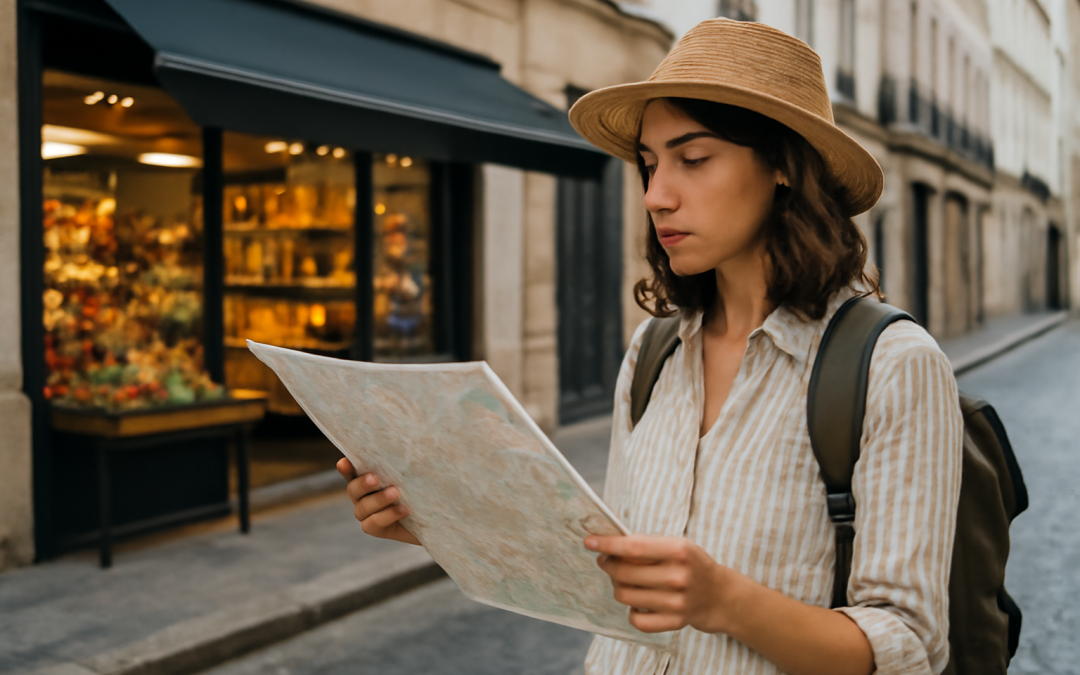
Traveling to new destinations brings excitement and discovery, but it can also present challenges, especially when it comes to everyday necessities. Among these, finding a reliable grocery store is vital for many travelers who prefer to prepare their own meals, seek local food experiences, or simply want to save money while on the road. The ability to quickly locate grocery stores while traveling not only supports a smoother trip but can also lead to unique cultural insights that enrich the overall experience.
One of the most straightforward methods to find grocery stores in unfamiliar areas is to use online map services. Applications like Google Maps, Apple Maps, or specialized travel apps allow travelers to search for nearby supermarkets, convenience stores, or fresh markets with just a few taps on their phones. These services often include user reviews, hours of operation, and photos, enabling users to make informed choices about where to shop. To maximize effectiveness, it’s helpful to download offline maps before traveling, especially in regions where internet access might be spotty or expensive.
For those venturing into foreign countries, language barriers can complicate inquiries about local grocery stores. In this case, learning a few basic phrases or the local terminology for grocery-related words beforehand can be invaluable. Phrases such as “Where is the grocery store?” or “Supermarket nearby” translated into the local language simplify communication with locals who can direct travelers to the closest options. Additionally, many translation apps now offer voice-to-voice real-time translation, which can act as a powerful tool for overcoming linguistic challenges when seeking everyday amenities.
Besides technology and language aid, understanding the type of grocery stores available in different regions also helps. In urban centers, large chain supermarkets often provide a familiar shopping experience akin to those at home, stocked with a variety of international goods. In contrast, smaller towns may rely more heavily on local markets or smaller, family-owned stores. Exploring these smaller establishments can provide valuable chances to experience authentic local culture and flavors, whether in the form of fresh produce, regional specialties, or traditional foods.
Travelers who prefer accommodation with kitchen access often benefit greatly from finding grocery stores early in their trip. Preparing meals can be healthier, budget-friendly, and is a way to enjoy the local produce. In many countries, there are fresh open-air markets prevalent in the mornings or weekends where local farmers and vendors sell fruits, vegetables, cheeses, meats, and spices. Visiting such markets not only ensures the freshest ingredients but also offers a deep dive into the culinary traditions of the region. Planning trips around these market days can enhance the overall travel experience.
Another option for those traveling on a tight schedule or in remote areas is to inquire at their place of stay. Hotels, hostels, or vacation rentals often have staff who are well-versed in the locality and can recommend nearby grocery locations or even delivery services. Some accommodations have partnerships or arrangements with grocery stores or offer guest access to mini-marts on-site. Utilizing the knowledge and resources of local hosts can turn what might have been a time-consuming search into a swift and easy solution.
In recent years, grocery delivery services have become increasingly accessible in many cities worldwide. Using apps or websites dedicated to grocery shopping, travelers can order food and household needs to be delivered directly to their location. This service is particularly beneficial in large urban areas or when mobility is limited. When utilizing delivery, it is important to consider language compatibility in the app’s interface and payment methods accepted. Travelers should also verify the reliability of delivery times and the availability of desired products in advance.
For those who prefer to explore on foot or by public transport, paying attention to neighborhood layouts is crucial. In many urban locations, grocery stores tend to cluster near residential areas or main thoroughfares. Urban planners design cities with convenience in mind, so strolling through local streets can often lead travelers to quaint shops or corner stores that might not appear prominently in digital searches. This approach can be rewarding, allowing for spontaneous discoveries, such as small bakeries or specialty food shops that are beloved by local residents.
Food allergies, dietary restrictions, or specific dietary preferences can add complexity to the task of locating appropriate grocery stores while traveling. Carefully researching which stores carry the necessary products, or those with sections designated for health foods, organic goods, or international cuisine, helps to avoid last-minute problems. Specialty stores, health food shops, or bigger supermarkets often maintain stock of gluten-free, vegan, or allergen-free options, but these are not universally available. Preparing a list of key items and familiarizing oneself with their local names contributes to a smoother shopping experience.
Cultural norms also influence not only food choices but store hours. In many European countries, for example, grocery stores may close early on certain days or remain shut on weekends. Conversely, supermarkets in North America or parts of Asia often operate 24/7 or late into the night. Understanding these practices ahead of time through travel websites or local contacts can prevent unnecessary frustration and help in planning grocery runs appropriately.
Public transportation and ride-sharing services can be instrumental in expanding the radius of grocery shopping options. Sometimes the nearest major supermarket might be a short bus or taxi ride away. Using apps that provide real-time transit guidance allows travelers to effortlessly access larger stores or specialty markets located outside the immediate vicinity. This is especially useful for travelers staying in neighborhoods that cater more toward dining out than home meal preparation.
For adventurers heading into rural or less touristy locations, the challenge of finding grocery stores is even more pronounced. Small villages might have just one general store, and its stock may be limited. In such cases, it’s wise to stock up at a larger town before moving into remote areas. Additionally, local residents can be a great source of information regarding the nearest supply points and may even offer to help with transportation or storage. Engaging with communities in a respectful and friendly manner often opens doors to invaluable local knowledge.
When traveling internationally, currency exchange and payment options also factor into grocery shopping logistics. While cash is still widely accepted in many grocery stores, an increasing number may prefer or require credit/debit cards or mobile payment apps. Some regions, particularly in Europe and Asia, are rapidly moving toward cashless transactions. Before traveling, researching the preferred payment methods at grocery stores in the destination country can save time and prevent awkward situations at checkout. Carrying a small amount of local cash is advisable for emergency or small purchase needs.
Health and safety considerations are paramount when selecting grocery stores abroad. Travelers should observe cleanliness, refrigeration standards, and the general condition of the store. Buying perishable items from reputable establishments minimizes the risk of foodborne illnesses. Some tourists might consider visiting well-known international chains that maintain consistent product and hygiene standards around the world, especially in countries where food safety regulations differ significantly. Reading online reviews and travel forums often sheds light on recommended grocery options concerning health and safety.
Finally, embracing the adventure inherent in food shopping abroad can enhance travel memories significantly. Each grocery store or market is a window into the daily lives and tastes of the place’s inhabitants. Trying unique regional products, discovering new ingredients, and learning about local food traditions adds a dimension that no restaurant outing can quite replicate. Shopping for groceries while traveling is not just an errand—it can be a cultural experience, an educational journey, and a way to connect more deeply with the destination.
Navigating the challenge of finding grocery stores while traveling requires a combination of preparation, resourcefulness, and openness to local customs. Utilizing technology, tapping into local knowledge, understanding cultural practices, and taking advantage of available services all contribute to making grocery shopping a hassle-free part of the journey. With these strategies, travelers can enjoy fresh, affordable, and authentic food that enhances their stay and allows for a more personalized, comfortable travel experience. Whether exploring bustling cities or remote villages, the ability to find and utilize grocery stores effectively enriches every aspect of the adventure.