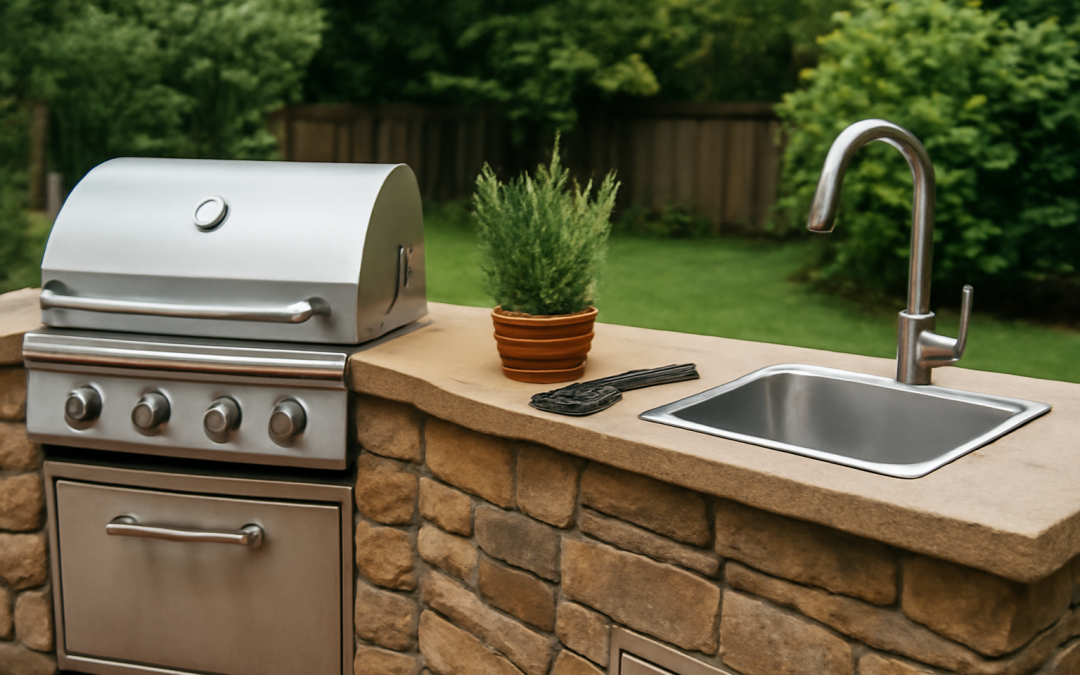
Outdoor kitchens have gained immense popularity in recent years, offering homeowners a perfect blend of functionality and style. These spaces extend the comfort and convenience of indoor cooking to the fresh air, making gatherings, family meals, and entertaining more enjoyable. However, like any outdoor installation, they are exposed to the elements daily and require diligent upkeep to maintain their appearance, safety, and performance. Proper upkeep ensures the longevity of your investment and keeps your outdoor kitchen ready for use at any time.
Maintaining an outdoor kitchen begins with a consistent cleaning routine. Grease, food particles, and debris can accumulate quickly, especially after gatherings or weekend barbecues. It’s important to clean cooking surfaces such as grills, burners, countertops, and sinks regularly to prevent buildup that can lead to staining, rust, or unpleasant odors. Using the appropriate cleaners that are friendly to outdoor materials—like stainless steel or stone—helps avoid damage while removing residues. Additionally, wiping down cabinets and storage compartments keeps insects and pests at bay and maintains a neat, inviting appearance.
One of the most critical aspects requiring regular attention is the grill itself. Outdoor grills are sturdy, but constant exposure to heat, smoke, and weather conditions can cause wear and tear over time. After every use, cleaning the grill grates should be a priority to burn off any leftover food particles. Periodic deep cleaning involves disassembling parts, scraping out ash or grease traps, and checking the burners and ignition system for blockages or corrosion. Keeping the grill covered when not in use significantly protects it from rain, dust, and UV rays, which can accelerate deterioration.
Weatherproofing your outdoor kitchen components is essential, as they face sun, rain, wind, and sometimes snow. Sealing countertops, particularly those made from porous materials like natural stone or concrete, prevents water infiltration and staining. Reapplying sealant yearly or as recommended by the manufacturer promotes a barrier that resists mold, mildew, and damage caused by freezing and thawing cycles. For cabinetry, using weather-resistant materials or applying waterproof finishes can extend their life span, preventing warping, cracking, or fading while maintaining structural integrity.
Enough attention should be paid to plumbing and electrical systems. Outdoor kitchens commonly feature sinks, refrigeration units, lighting, and sometimes dishwashers or heating lamps. Inspecting faucets, pipes, and drainage for leaks, clogs, or damage before and after heavy use is vital to avoid costly repairs and water damage. Electrical components should be checked regularly to ensure proper function and safety; loose connections, corroded outlets, or exposed wiring can create hazards. Employing licensed professionals for routine inspections or troubleshooting complicated issues guarantees compliance with safety codes and prevents unexpected failures.
Seasonal changes inevitably impact outdoor kitchens, so adapting maintenance routines to the weather is crucial. Before winter arrives, thoroughly clean all surfaces and appliances, disconnect and drain water lines to prevent freezing, and cover or store removable parts. Inspect protective covers to ensure they provide adequate shelter without trapping moisture, which could foster mold growth. In early spring, a detailed inspection will reveal any damage sustained during the cold months, and deep cleaning can prepare the space for active use again.
Furthermore, regular maintenance contributes to energy efficiency and cost savings. Clean appliances operate more efficiently, reducing gas or electricity consumption. For example, grease buildup in a grill can cause uneven heat distribution, leading to longer cooking times and wasted fuel. Refrigerators functioning under optimal conditions maintain correct temperatures without overworking compressors, which saves money and reduces wear. Making minor repairs promptly, such as replacing worn-out seals or tightening loose screws, prevents small problems from gyrating into larger ones.
Using protective accessories also aids in preserving the outdoor kitchen’s condition. High-quality covers tailored for grills, refrigerators, or entire kitchen islands shield surfaces from dirt, UV exposure, and moisture without compromising ventilation. Heat-resistant mats or pads beneath grills protect flooring and countertops from scorch marks. Besides protecting physical components, investing in tools and cleaning supplies designed specifically for outdoor use ensures that the materials are treated gently and effectively.
Another important consideration is the landscaping around your outdoor kitchen. Trees, plants, and shrubs can add beauty and ambiance to the space but may create maintenance challenges if not properly managed. Falling leaves, sap, and pollen can dirty surfaces or clog drains, while roots may interfere with underground plumbing. Positioning plants strategically to offer shade or wind protection without creating debris accumulation will preserve the kitchen’s cleanliness and functionality. It’s also wise to occasionally check for insect nests or animal activity that might threaten stored supplies or structural elements.
Besides the physical upkeep, maintaining an outdoor kitchen extends to periodic upgrades and inspections relevant to safety and modern performance standards. As technology advances, newer appliances offering enhanced efficiency, better cooking options, or smart features may become desirable or necessary. Planning for such improvements allows the space to remain competitive with indoor kitchens, adding value to the property. Additionally, checking for gas leaks, carbon monoxide sources, and ensuring proper ventilation regularly safeguards both the occupants and the property itself.
Finally, developing a maintenance checklist tailored to the specific materials, appliances, and climate zones of your outdoor kitchen fosters consistency and ease in caring for the space. Summarizing cleaning schedules, inspection periods, sealing or finishing treatments, and seasonal preparations simplifies the process and reduces the risk of overlooking key tasks. Regularly revisiting this checklist provides an opportunity to identify emerging problems early and adjust strategies to evolving conditions.
Consistent care and attention to detail transform an outdoor cooking area into a durable, safe, and enjoyable extension of home living. By following a comprehensive outdoor kitchen maintenance checklist, homeowners ensure that their investment continues to shine, perform, and provide countless memorable moments. Proper planning, cleaning, protecting, and inspecting all contribute to preserving the beauty and function of this outdoor oasis season after season. The result is a welcoming outdoor environment where delicious meals and lasting memories are created with ease.